


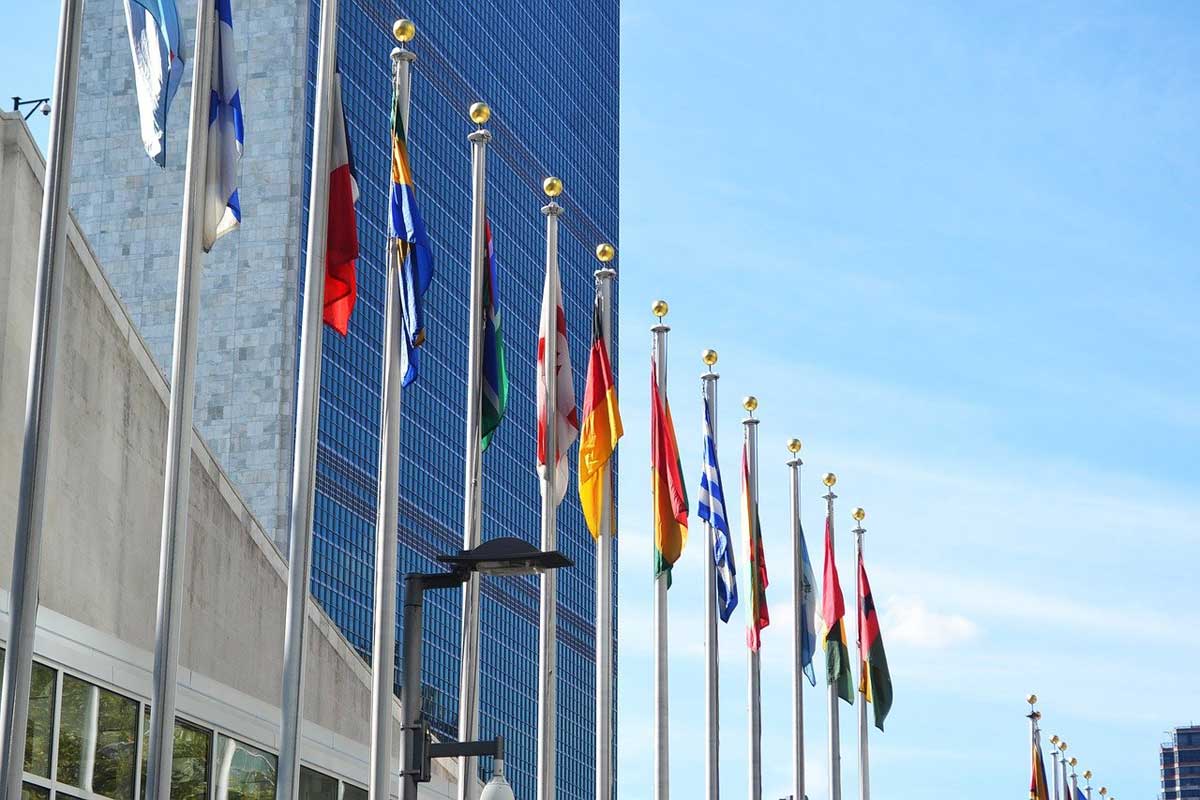
The United Nations has issued a stark warning that a moderate to potentially strong El Nino event is developing and could significantly increase global temperatures, worsen extreme weather conditions, and place additional strain on food, water, and public health systems across the world in the coming months.
According to the World Meteorological Organization (WMO), warming ocean temperatures in the Pacific are creating conditions favorable for El Nino, a climate phenomenon historically associated with heatwaves, droughts, floods, and major disruptions to agriculture and ecosystems.
The warning comes as the world is already experiencing unprecedented climate stress following consecutive years of record breaking temperatures. If El Nino strengthens as forecast, it could amplify many of the impacts already being driven by global warming.
The concern among scientists is not simply that another El Nino is emerging, but that it is arriving in a world that is already significantly warmer than during previous events.
Stay ahead of the geopolitical week.
MD Briefing delivers expert analysis across five global fronts — the Indo-Pacific, energy, geoeconomics, European security, and the Middle East — every Monday morning. Free.
What Is El Nino?
El Nino is a naturally occurring climate pattern caused by the warming of sea surface temperatures across the central and eastern Pacific Ocean.
Typically occurring every two to seven years, El Nino events usually last between nine and twelve months, though some persist longer.
The phenomenon alters atmospheric circulation patterns worldwide, influencing rainfall, temperatures, storm activity, and drought conditions across multiple continents.
While El Nino originates in the Pacific Ocean, its effects are global.
Historically, major El Nino events have contributed to:
- Severe droughts.
- Intense flooding.
- Agricultural losses.
- Heatwaves.
- Wildfires.
- Coral bleaching.
- Water shortages.
Because of its far reaching influence, El Nino is one of the most closely monitored climate events in the world.
Lessons From the 2023 to 2024 El Nino
The previous El Nino played a significant role in making 2024 the hottest year ever recorded globally.
Combined with long term climate warming, the event pushed temperatures to unprecedented levels in many regions.
Scientists worry that a similar or stronger event in 2026 could produce even greater impacts because baseline global temperatures are now higher than they were just a few years ago.
What the WMO Is Predicting
The World Meteorological Organization says ocean temperatures have risen rapidly since late April.
Several indicators suggest El Nino conditions are actively developing:
- Rapid warming of Pacific Ocean surface waters.
- Unusually warm subsurface temperatures.
- Heat reservoirs exceeding six degrees Celsius above average beneath parts of the tropical Pacific.
- Atmospheric patterns consistent with El Nino formation.
The agency expects:
- Above average temperatures across most regions from June through August.
- Continued El Nino conditions until at least November.
- Increased likelihood of climate extremes in vulnerable regions.
Although some forecasting models project a particularly strong event, the WMO notes there remains uncertainty regarding the ultimate strength of the phenomenon.
Which Regions Could Be Most Affected?
Areas Facing Increased Rainfall
El Nino often brings heavier than normal rainfall to:
- Southern South America.
- Parts of the southern United States.
- The Horn of Africa.
- Central Asia.
While additional rainfall can help alleviate drought conditions in some regions, excessive precipitation can also trigger floods, landslides, and infrastructure damage.
Regions at Risk of Drought
The WMO warns that drought conditions may intensify in:
- Australia.
- Indonesia.
- Central America.
- Parts of South Asia.
Reduced rainfall could affect agriculture, water supplies, and energy production in countries already facing climate related challenges.
Increased Hurricane Activity
El Nino can influence tropical cyclone formation and may contribute to increased hurricane activity in parts of the Pacific Ocean.
This creates additional risks for coastal populations and infrastructure.
Why Extreme Heat Is the Biggest Concern
Heat Is Already the Deadliest Climate Hazard
The most urgent warning from the United Nations concerns extreme heat.
Unlike hurricanes or floods, heatwaves often receive less public attention despite causing large numbers of deaths globally each year.
High temperatures can lead to:
- Heatstroke.
- Cardiovascular stress.
- Respiratory complications.
- Reduced labor productivity.
- Increased mortality among vulnerable populations.
As temperatures rise, cities become particularly vulnerable due to the urban heat island effect.
A Warmer Planet Magnifies El Nino’s Impact
The WMO emphasizes that climate change does not necessarily make El Nino events more frequent.
However, it does make their consequences more severe.
In previous decades, El Nino occurred within a cooler global climate system.
Today, El Nino develops against a backdrop of elevated temperatures caused by greenhouse gas emissions.
This means that heatwaves triggered by El Nino can become more intense and more dangerous than historical equivalents.
Risks to Food and Water Security
Agriculture Faces Multiple Threats
Agricultural systems are especially vulnerable to El Nino.
Farmers can face:
- Reduced rainfall.
- Heat stress on crops.
- Water shortages.
- Higher irrigation costs.
- Increased pest activity.
Some national weather agencies have already warned that Asia could experience hotter and drier conditions during the second half of 2026.
These concerns come at a time when many agricultural producers are already struggling with higher fuel costs and fertilizer shortages.
Pressure on Global Food Supplies
Lower agricultural output in major producing regions can contribute to:
- Higher food prices.
- Supply chain disruptions.
- Increased import dependence.
- Food insecurity in vulnerable countries.
Because food markets are interconnected, weather disruptions in one region often affect consumers globally.
Public Health Risks Beyond Heat
Increased Disease Transmission
The United Nations also warns that changing weather conditions can expand the spread of disease.
Warmer temperatures and altered rainfall patterns may increase habitats suitable for disease carrying insects such as mosquitoes.
Potential consequences include:
- Increased malaria transmission.
- Expanded dengue outbreaks.
- Greater risk of other vector borne diseases.
Pressure on Health Systems
Health services may face simultaneous challenges from:
- Heat related illnesses.
- Disease outbreaks.
- Water shortages.
- Nutrition related health problems.
These pressures are particularly concerning in developing countries with limited healthcare capacity.
Analysis: Why This El Nino Matters More Than Previous Ones
The significance of the developing El Nino lies not only in its meteorological characteristics but also in the context in which it is occurring.
Previous major El Nino events unfolded before the world had reached current levels of climate warming.
Today, global temperatures are already near historic highs even before additional warming from El Nino is factored in.
This changes the risk equation substantially.
The phenomenon effectively acts as an accelerator.
Climate change establishes the baseline conditions, while El Nino can amplify them.
The result is a greater likelihood of record breaking temperatures, more severe heatwaves, and increased pressure on natural and human systems.
Another important factor is global vulnerability.
Many countries are entering this period facing economic challenges, food insecurity, water stress, and infrastructure limitations.
As a result, societies may have less capacity to absorb climate shocks than during previous El Nino cycles.
The warning from the United Nations should therefore be viewed not simply as a seasonal weather forecast but as an early risk assessment for a potentially difficult period ahead.
The emphasis on preparedness reflects growing recognition that extreme weather events are becoming increasingly disruptive and costly.
Perhaps most importantly, the developing El Nino serves as a reminder that natural climate variability and human induced climate change are no longer separate issues.
Their interaction is becoming one of the defining environmental challenges of the twenty first century.
Future Scenarios
Scenario One: Moderate El Nino
The event develops as a moderate episode, producing regional weather disruptions but remaining broadly manageable.
Governments successfully implement preparedness measures and limit major impacts.
Scenario Two: Strong El Nino
Ocean warming intensifies significantly.
Heatwaves, droughts, and flooding become more widespread, placing substantial pressure on food production, energy systems, and public health services.
Scenario Three: Compound Climate Crisis
A strong El Nino combines with existing climate warming and geopolitical disruptions affecting food and energy markets.
This could contribute to significant economic volatility, humanitarian challenges, and increased pressure on vulnerable populations.
What’s Next?
Meteorologists will closely monitor Pacific Ocean temperatures over the coming weeks to determine whether El Nino continues strengthening.
Governments are expected to expand preparedness measures, including heat response plans, agricultural support programs, disease surveillance systems, and water management strategies.
International organizations will also assess potential humanitarian risks in regions particularly vulnerable to drought, flooding, or food insecurity.
The next several months will be critical in determining whether the developing event remains moderate or evolves into one of the strongest El Nino episodes in recent years.
Conclusion
The United Nations warning highlights the growing risks posed by a developing El Nino event at a time when the world is already experiencing unprecedented climate stress. While uncertainty remains regarding its ultimate strength, the potential consequences range from severe heatwaves and droughts to flooding, food insecurity, and public health challenges.
The key message from scientists is clear: preparation cannot wait until impacts become visible. In a warming world, even a moderate El Nino has the potential to generate significant disruptions, making early action essential for reducing human and economic costs.
With information from Reuters.
