


Extreme Heat Tightens Grip Across Europe
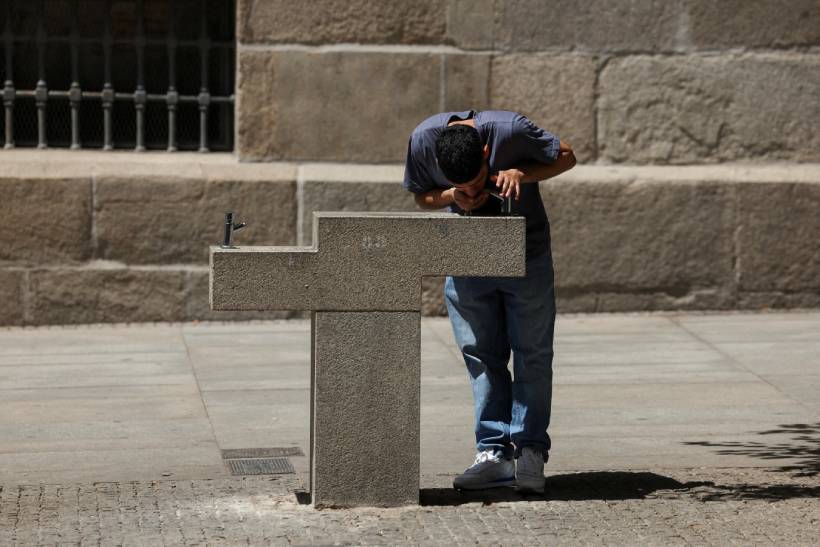
Europe’s relentless summer heatwave intensified on Thursday, forcing Italy to place all its major cities under the highest health alert while Hungary introduced emergency energy saving measures as soaring temperatures strained electricity supplies, river transport and critical infrastructure across the continent.
The latest wave of extreme heat has shifted eastward after weeks of record breaking temperatures and devastating wildfires in Western Europe, highlighting the growing economic and environmental costs of climate extremes across the continent.
Italy Places Entire Country Under Highest Heat Alert
Italy’s Health Ministry issued red alerts for every major city, from Palermo in Sicily to Bolzano in the Alps, marking an unprecedented nationwide warning for extreme temperatures.
A red alert signifies prolonged heat severe enough to pose health risks to the entire population rather than only vulnerable groups such as the elderly or those with underlying health conditions.
Stay ahead of the geopolitical week.
MD Briefing delivers expert analysis across five global fronts — the Indo-Pacific, energy, geoeconomics, European security, and the Middle East — every Monday morning. Free.
Authorities expanded emergency measures to help residents cope with the extreme weather. In Genoa, people aged 65 and above were granted free entry to museums and libraries during the hottest hours of the day, while Rome extended its programme offering free screenings in air conditioned cinemas until August 14.
Meanwhile, the northwestern Piedmont region declared a state of emergency as rivers fell to historic lows, increasing the risk of drought and wildfires.
Hungary Cuts Power Use as Danube Water Levels Fall
Hungary introduced nationwide energy saving measures by switching off decorative lighting at state institutions, including Parliament, Buda Castle and the iconic Chain Bridge.
The decision comes as record low water levels on the Danube River have forced the country to significantly reduce operations at its only nuclear power plant, which relies on river water for cooling.
With electricity supplies coming under pressure, authorities have prioritized conserving power while monitoring the worsening drought.
Romania Takes Emergency Steps to Protect Nuclear Reactor
Romania is also grappling with the consequences of falling river levels.
Authorities are preparing to sink four barges filled with rocks into the Danube to redirect water toward the country’s only operational nuclear reactor in an effort to keep it functioning for several more days.
In Bucharest, officials have dimmed street lighting and switched off illumination at landmark buildings and museums during the night to reduce electricity consumption.
Low Rivers Disrupt European Trade
The prolonged heatwave has severely affected Europe’s inland waterways.
Germany’s Rhine River, one of Europe’s most important commercial shipping routes, has experienced critically low water levels, forcing many cargo vessels to sail only partially loaded.
The reduced capacity has increased freight costs for commodities including grain, coal, minerals and petroleum products, adding further pressure to European supply chains already facing economic uncertainty.
Bosnia’s Underground Cave Becomes Climate Refuge
In Bosnia and Herzegovina, tourists have sought relief from temperatures approaching 40 degrees Celsius by visiting the UNESCO listed Vjetrenica Cave.
Located near the Adriatic coast, the cave maintains a constant temperature of around 11 degrees Celsius throughout the year, providing a natural refuge from the intense summer heat.
Visitor numbers remain restricted to protect the cave’s fragile ecosystem and unique biodiversity.
Europe’s Fastest Warming Climate Raises New Concerns
Scientists have repeatedly identified Europe as the world’s fastest warming continent, with climate change contributing to more frequent, longer lasting and more intense heatwaves.
This summer has already seen record temperatures, widespread drought, destructive wildfires and growing pressure on public health systems, agriculture, transport networks and energy infrastructure across multiple European countries.
As temperatures continue to remain well above seasonal averages, governments are expanding emergency measures to protect vulnerable populations while attempting to manage the mounting economic consequences of prolonged extreme heat.
Analysis
The latest heatwave demonstrates that extreme temperatures are no longer isolated weather events but increasingly systemic risks affecting multiple sectors simultaneously. Beyond immediate health concerns, shrinking rivers are disrupting nuclear power generation, increasing shipping costs and threatening water security across Europe. Governments are now being forced to combine public health responses with energy conservation measures, highlighting how climate related shocks are becoming intertwined with economic resilience and national infrastructure planning. As Europe continues to warm faster than any other continent, recurring heatwaves are likely to place growing pressure on energy systems, agriculture, transport and public finances, making climate adaptation an increasingly urgent strategic priority.
With information from Reuters.
