


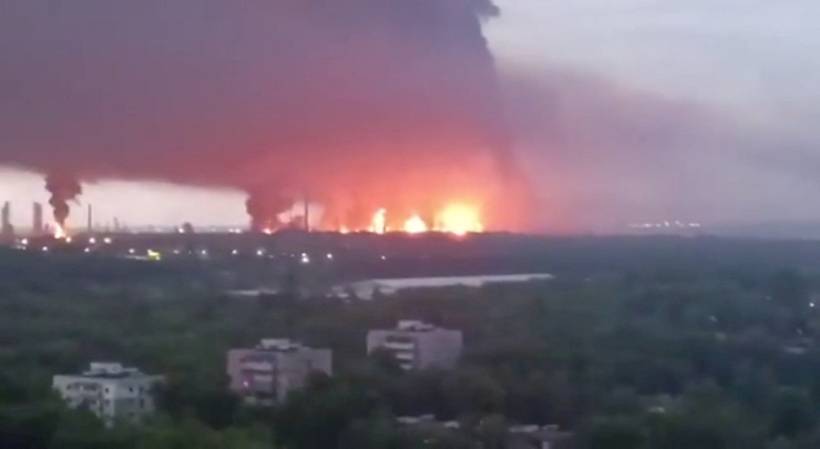
Ukraine has significantly intensified its campaign against Russian energy infrastructure in recent months, targeting oil refineries, gas processing facilities, export terminals, storage depots, pumping stations, and ports deep inside Russian territory.
The attacks come as diplomatic efforts to end the war have failed to produce a breakthrough. Ukrainian officials argue that targeting Russia’s energy sector weakens Moscow’s ability to finance military operations, disrupts fuel supplies, and increases economic pressure on the Kremlin.
Many of the facilities hit are hundreds and, in some cases, more than a thousand kilometers from the Ukrainian border, highlighting Kyiv’s growing long range strike capabilities.
Ukraine Targets Major Russian Oil Refineries
A large portion of Ukraine’s strikes has focused on Russia’s refining sector, which plays a critical role in supplying fuel for both domestic consumption and exports.
Stay ahead of the geopolitical week.
MD Briefing delivers expert analysis across five global fronts — the Indo-Pacific, energy, geoeconomics, European security, and the Middle East — every Monday morning. Free.
Yaroslavl Oil Refinery
Ukrainian forces struck the Yaroslavl refinery in late May. The facility is capable of processing approximately 15 million metric tons of crude oil annually, making it one of Russia’s major refining assets.
Syzran Oil Refinery
The Syzran refinery in Russia’s Samara region suffered damage to a key processing unit following a drone attack. The facility reportedly suspended operations after the strike.
Tuapse Oil Refinery
The Tuapse refinery on the Black Sea coast was targeted multiple times. Previous attacks triggered major fires and temporarily halted production at a facility that exports a significant portion of its output.
NORSI Refinery
The NORSI refinery near Nizhny Novgorod, one of Russia’s largest gasoline producers, was hit by Ukrainian strikes that reportedly damaged critical processing infrastructure.
Moscow Oil Refinery
Ukraine extended its campaign to Russia’s capital region, where the Moscow refinery reportedly suspended processing operations following a drone attack.
Ryazan Oil Refinery
The Ryazan refinery, responsible for nearly five percent of Russia’s refining capacity, was also forced to halt operations after being targeted.
Perm Refinery
One of Russia’s largest refining complexes, the Perm refinery, reportedly suspended processing after equipment was damaged during a drone attack.
Novokuibyshevsk Refinery
This Rosneft operated facility experienced disruptions after Ukrainian drones struck processing infrastructure.
Ufa Refinery
Ukraine confirmed a strike on the Bashneft Novoil refinery in Ufa, one of the deepest attacks conducted during the conflict.
Kirishi Refinery
The Kirishi refinery, among Russia’s largest fuel producers, was forced to suspend operations following repeated drone attacks.
Gas Processing Facilities Also Targeted
Ukraine’s campaign has expanded beyond oil refining to include gas infrastructure.
Astrakhan Gas Processing Plant
A drone attack caused a fire at the Astrakhan gas processing facility, a major producer of gas condensate, fuels, and liquefied petroleum products.
Ust Luga Processing Complex
The Ust Luga energy complex suspended parts of its operations after drone attacks triggered fires. The facility processes gas condensate into products such as jet fuel, ship fuel, and naphtha.
Ports, Export Terminals, and Fuel Storage Facilities Under Pressure
Ukraine has also targeted the logistics network that supports Russia’s energy exports.
Primorsk Export Hub
Primorsk is one of Russia’s most important oil export gateways. Drone attacks reportedly damaged storage infrastructure and affected operations linked to crude exports.
Temryuk Port
A drone attack caused a fire at the southern Russian port of Temryuk, adding to concerns over energy export security.
Sheskharis Oil Terminal
The terminal experienced a major fire following a Ukrainian strike, highlighting Kyiv’s focus on export related infrastructure.
Oil Pumping Stations
Several pumping and dispatch facilities linked to Russia’s export network were targeted, including sites in the Samara region and infrastructure connected to Baltic Sea exports.
Fuel Storage Depots
Storage facilities in multiple regions, including Yaroslavl, were reportedly damaged or set ablaze during drone attacks.
Why These Strikes Matter
Ukraine’s strategy reflects a broader effort to raise the economic and military cost of the war for Russia.
By targeting refineries and export infrastructure, Kyiv aims to:
Reduce Fuel Production
Damage to refining facilities can limit gasoline, diesel, and aviation fuel output, affecting both military and civilian sectors.
Disrupt Export Revenue
Energy exports remain a major source of income for Russia. Attacks on ports and processing facilities can complicate export operations and reduce revenues.
Force Resource Diversion
Russia must allocate additional air defense systems, personnel, and financial resources to protect critical infrastructure across a vast territory.
Increase Economic Pressure
Repeated disruptions can affect domestic fuel supplies, industrial activity, and investor confidence.
Impact on Russia’s Energy Sector
The attacks have created operational disruptions across multiple parts of Russia’s energy industry. Several refineries temporarily suspended operations, while others reduced output after suffering damage.
Although Russia remains one of the world’s largest energy producers, repeated attacks have forced companies and authorities to invest heavily in repairs, security measures, and air defense protection.
The campaign also demonstrates that key economic infrastructure far from the battlefield remains vulnerable to long range strikes.
What Happens Next
Ukraine is expected to continue targeting strategic energy assets as long as the war continues and peace negotiations remain deadlocked.
Russia will likely increase defensive measures around refineries, ports, storage facilities, and processing plants while accelerating repair work at damaged sites.
The effectiveness of future attacks will depend on Ukraine’s ability to sustain long range strike operations and Russia’s success in strengthening infrastructure protection.
Analysis
Ukraine’s energy infrastructure campaign has evolved into one of the most significant strategic components of the war. Rather than focusing solely on frontline military targets, Kyiv is increasingly attempting to undermine Russia’s economic and logistical capacity by targeting the energy sector that helps fund and sustain military operations.
The breadth of the strikes is particularly notable. Attacks have reached facilities across western, central, and northern Russia, demonstrating growing operational reach and forcing Moscow to defend critical assets over a vast geographic area.
While the strikes are unlikely to cripple Russia’s energy industry entirely, they can create recurring disruptions, increase operating costs, and complicate export activities. Combined with sanctions and wartime expenditures, these attacks add another layer of pressure on the Russian economy.
As peace talks remain stalled, energy infrastructure is likely to remain a primary target in Ukraine’s broader strategy to weaken Russia’s war effort and increase leverage in any future negotiations.
With information from Reuters.
