


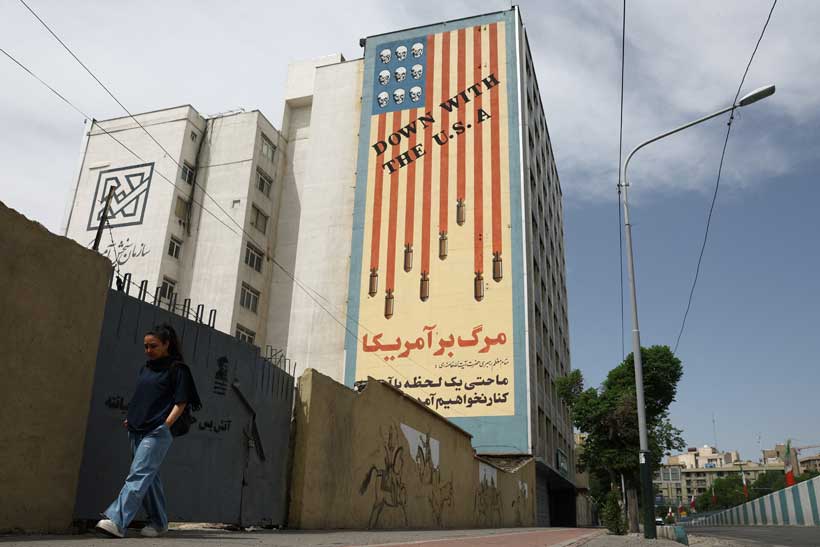
Iran has accused the United States of prolonging efforts to reach a diplomatic settlement by sending contradictory signals during ongoing negotiations aimed at ending the conflict between Washington and Tehran.
Iranian Foreign Ministry spokesperson Esmaeil Baghaei said discussions are taking place in an atmosphere of deep mistrust and suspicion, arguing that changing American positions and new demands have slowed progress toward a final agreement.
The comments come as both countries continue indirect diplomatic contacts while military tensions remain active across the region. Recent exchanges included United States strikes on Iranian military targets and Iran’s retaliatory attack on a United States military facility in the Gulf region.
Tehran maintains that a lasting agreement remains possible but insists that Washington must adopt a clear and consistent negotiating position.
Stay ahead of the geopolitical week.
MD Briefing delivers expert analysis across five global fronts — the Indo-Pacific, energy, geoeconomics, European security, and the Middle East — every Monday morning. Free.
Iran Cites Deep Mistrust in Ongoing Talks
Iranian officials say decades of tensions and recent military actions have created significant obstacles to diplomatic progress.
According to Tehran, repeated shifts in American demands have complicated negotiations and reduced confidence in the process. Iranian officials argue that successful diplomacy requires clear commitments and consistency from all parties involved.
The latest criticism highlights the fragile nature of talks that seek to address both immediate security concerns and broader disputes over sanctions, regional security, and Iran’s nuclear activities.
Israeli Operations Add New Complications
Iran also linked the slow pace of negotiations to Israel’s military actions across the region, particularly recent strikes in Lebanon.
Baghaei argued that developments involving Israel cannot be separated from wider regional diplomacy and suggested that any comprehensive agreement would need to include full implementation of the ceasefire arrangements in Lebanon.
His remarks followed Israeli Prime Minister Benjamin Netanyahu’s decision to authorize new strikes on targets in Beirut’s southern suburbs, an area associated with Hezbollah.
Iran views the conflict involving Hezbollah and Israel as closely connected to broader regional tensions and believes continued hostilities could undermine diplomatic progress elsewhere.
Nuclear Issues and Frozen Assets Remain Sticking Points
Despite ongoing discussions, Iranian officials indicated that negotiations have not yet moved into detailed talks on the nuclear file.
Tehran continues to prioritize the release of frozen Iranian financial assets and relief from economic restrictions as key objectives in any future agreement.
Iran has consistently argued that economic measures imposed against the country must be addressed alongside security and nuclear related concerns if a durable agreement is to be achieved.
The lack of progress on these issues remains one of the main obstacles preventing a breakthrough.
Regional Security Concerns Intensify
Recent military exchanges have further complicated diplomatic efforts.
Iran accused the United States of violating ceasefire understandings through strikes on Iranian territory and argued that such actions deepen mistrust between the two sides. Tehran maintains that it has the right to respond to military attacks under the principle of self defense.
At the same time, regional governments remain concerned that continued military confrontations could draw additional countries into the conflict and threaten stability across the Middle East.
Iran also warned neighboring countries against allowing their territory or facilities to be used in military operations directed against Tehran.
Why It Matters
The latest exchange of accusations underscores how difficult it remains to achieve a lasting diplomatic solution between the United States and Iran.
Negotiations are taking place against a backdrop of military confrontations, regional proxy conflicts, economic disputes, and disagreements over nuclear activities. Each new escalation risks undermining efforts to build trust and move talks forward.
The outcome of these discussions could have significant implications for regional stability, global energy markets, and future relations between Iran and Western powers.
Key Stakeholders
Iran
Iran seeks sanctions relief, access to frozen financial assets, and security guarantees while maintaining its regional influence and strategic interests.
United States
Washington aims to address concerns regarding Iran’s nuclear activities, regional security, and the protection of American forces and allies.
Israel
Israel remains focused on countering threats from Iran and Iran aligned groups across the Middle East and views regional security issues as central to its national defense.
Lebanon and Hezbollah
Developments in Lebanon continue to influence wider regional diplomacy, particularly as clashes between Hezbollah and Israel persist.
Gulf States
Countries across the Gulf are closely monitoring negotiations because of their potential impact on regional security, trade routes, and energy exports.
Global Energy Markets
Any escalation or diplomatic breakthrough could affect oil supplies, shipping routes, and energy prices worldwide.
What Happens Next
Negotiators are expected to continue indirect discussions despite growing tensions and mutual accusations.
Attention will focus on whether Washington and Tehran can narrow differences over sanctions relief, frozen assets, ceasefire arrangements, and nuclear issues. At the same time, developments in Lebanon and elsewhere in the region could influence the pace and direction of negotiations.
Diplomatic progress will likely depend on both sides reducing military tensions and establishing greater clarity regarding their negotiating positions.
Analysis
Iran’s latest remarks illustrate the central challenge facing current diplomacy: both sides continue to negotiate while simultaneously engaging in military actions that undermine trust. Tehran is attempting to link broader regional issues, including Lebanon and Israeli military operations, to negotiations with Washington, thereby expanding the scope of any potential agreement.
For the United States, balancing military deterrence with diplomatic engagement remains difficult. Washington seeks to maintain pressure on Iran while keeping negotiations alive, but repeated military exchanges risk reinforcing Iranian claims that the United States is not fully committed to a diplomatic solution.
The inclusion of regional conflicts such as Lebanon further complicates matters. While a comprehensive agreement addressing multiple issues could produce greater stability, it also increases the number of obstacles that negotiators must overcome.
Unless both sides can establish clearer objectives and reduce military escalation, the path toward a lasting agreement is likely to remain slow, uncertain, and vulnerable to disruption from events elsewhere in the Middle East.
With information from Reuters.
