


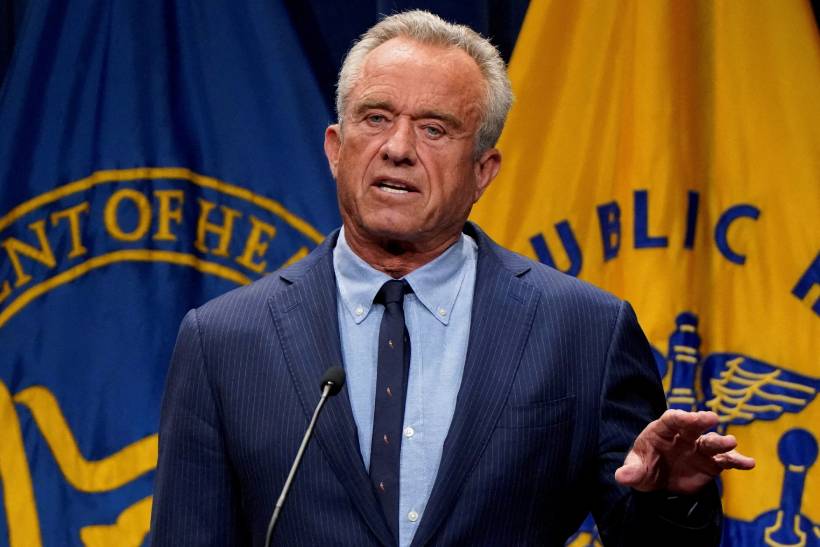
Robert F Kennedy Jr is recalibrating his policy approach after pushback from the White House over controversial vaccine changes. With the midterm elections approaching, the administration is prioritizing broadly popular health initiatives to avoid political fallout and strengthen Republican prospects.
The shift follows months of tension between Kennedy’s independent policy agenda and the political priorities of Donald Trump and his advisers.
Pivot Away from Vaccine Controversy
Kennedy had previously pursued significant changes to U.S. vaccine policy, including altering childhood immunization recommendations. These moves triggered backlash from medical organizations and raised concerns within the administration about their electoral impact.
Polling data suggested strong bipartisan support for vaccines, prompting the White House to urge Kennedy to halt further controversial actions in this area ahead of the elections.
Stay ahead of the geopolitical week.
MD Briefing delivers expert analysis across five global fronts — the Indo-Pacific, energy, geoeconomics, European security, and the Middle East — every Monday morning. Free.
Focus on Popular Health Initiatives
In response, the administration is promoting policies with broader appeal, including:
- Research into psychedelic based treatments
- Approval of innovative therapies for childhood diseases
- Efforts to lower prescription drug prices
- New food and nutrition policies emphasizing healthier diets
These initiatives are seen as less divisive and more likely to resonate with voters.
Political Strategy and Midterm Stakes
Republicans face the risk of losing control of Congress, making the midterms a high stakes test for the administration. Kennedy’s role is viewed as both an asset and a liability.
His public profile and appeal to non traditional voters could help expand support, but his long association with vaccine skepticism remains a political challenge. Analysts warn that anti vaccine messaging is widely unpopular and could harm candidates if not managed carefully.
Internal Divisions and Power Dynamics
Tensions within the administration have been described as a divide between traditional Trump aligned figures and Kennedy’s supporters. While Kennedy initially had wide latitude, the White House has increasingly asserted control over staffing and policy direction within the health department.
Recent appointments of more conventional public health officials signal an effort to stabilize the agency and align it more closely with mainstream positions.
Signs of Policy Realignment
The administration has already seen more positive reception to Kennedy’s moves on nutrition and chronic disease prevention compared to vaccine related actions. This has encouraged a broader pivot toward policies that generate less controversy and more public approval.
At the same time, Kennedy continues to play a role in campaigning, particularly in competitive districts, where his visibility may help mobilize certain voter groups.
Analysis
The evolving strategy reflects a balancing act between policy ambition and political reality. While Kennedy’s unconventional views helped energize a segment of voters, they also created risks that the administration can no longer ignore ahead of a critical election.
By focusing on achievable and broadly supported health initiatives, the White House aims to shift the narrative and avoid divisive debates. However, Kennedy’s past positions may continue to shape public perception, making it uncertain whether the pivot will fully succeed.
Ultimately, the episode highlights how electoral considerations can reshape policy priorities, especially in areas as sensitive and high profile as public health.
With information from Reuters.
