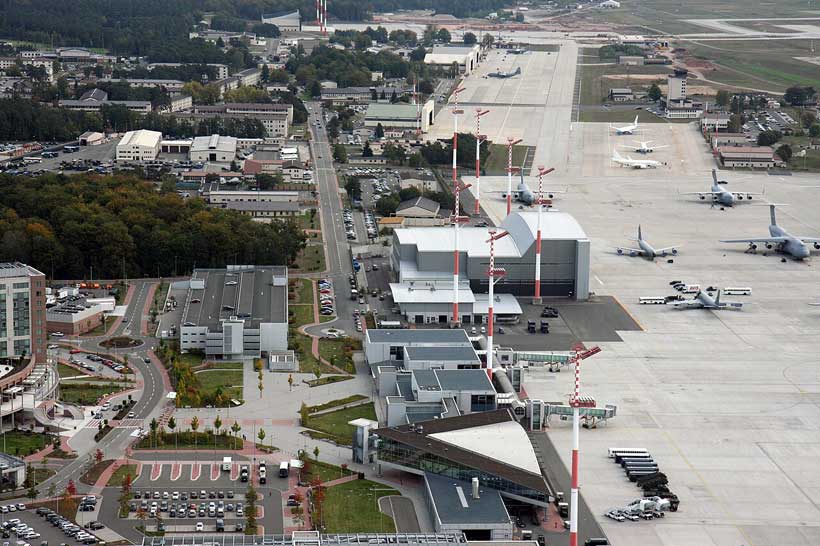
A planned drawdown of 5,000 U. S. troops from Germany has prompted German Defence Minister Boris Pistorius to call on Europe to enhance its own defense capabilities. However, two prominent U. S. Republican lawmakers, Senator Roger Wicker and Representative Mike Rogers, have expressed concern about this reduction and argued that U. S. troops should not leave Europe but rather be moved to Eastern Europe. They stated that reducing America’s military presence in Europe could undermine deterrence against Russia.
The Pentagon announced the drawdown as part of increased tensions between the U. S. and Europe over issues related to the Iran war and tariffs. President Donald Trump indicated that the troop reductions might exceed 5,000. Additionally, a U. S. plan to deploy a battalion equipped with long-range Tomahawk missiles to Germany has been canceled, which was a setback for Germany as it sought this deployment for deterrence against Russia.
Pistorius commented that the troop withdrawal is expected and will involve nearly 40,000 U. S. soldiers currently stationed in Germany. He emphasized the necessity for Europeans to take more responsibility for their security and noted that Germany is working to expand its armed forces and improve military infrastructure. Trump’s calls for reduced U. S. troop levels in Germany date back to his first term, and he has urged European nations to take charge of their defense.
The Pentagon’s troop withdrawal is projected to take place within the next six to twelve months, although it has not specified the affected bases or the future locations of the troops. A NATO spokesperson noted that the alliance is collaborating with the U. S. to clarify details regarding this decision. Polish Prime Minister Donald Tusk expressed concern about the implications of the troop drawdown for NATO’s eastern flank amid the ongoing conflict between Russia and Ukraine, stating that the greatest threat to the transatlantic alliance is its disintegration.
In addition to the troop withdrawal, Trump announced a hike in tariffs on EU auto imports to 25%, which may negatively impact the German economy. A foreign policy official from Chancellor Merz’s party suggested that these actions reflect a political response to domestic pressures on Trump rather than a clear strategy.
Germany aims to increase its active-duty military personnel to 260,000, despite some critics calling for a more immediate response to perceived threats from Russia. The U. S. military presence in Germany, which began after World War Two, has traditionally served to counter Soviet influence, and the planned withdrawals include the cancellation of a long-range fires battalion aimed at enhancing deterrence against Russia.
With information from Reuters