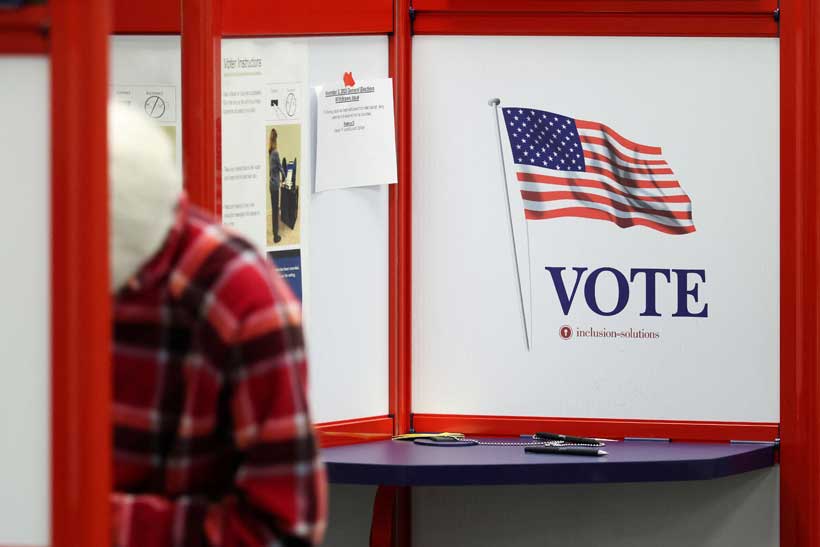
Early voting has been ongoing for weeks ahead of the midterm elections on November 3, 2026, when voters in the US will choose members of the House of Representatives and Senate, as well as governors in various states. Midterm elections occur midway through a president’s four-year term and do not involve the president directly. However, they can still be significant. This year, more than 100 million people are expected to vote, similar to the turnout in the previous midterm in 2022, with political advertisements reaching a record spending of $3.8 billion as of October 12. The most money is being spent in competitive Senate races, particularly in Texas, Ohio, and Michigan, with Elon Musk contributing around $366 million to support Republicans.
Typically, midterm elections attract fewer voters than presidential elections; for instance, over 155 million votes were cast in the 2024 election. A lot is at stake this year, as Democrats aim to gain control of Congress. Currently, Republicans hold a narrow 218-214 majority in the House, facing two vacancies, and Democrats need to gain four seats to take control. In the Senate, Republicans hold a 53-47 majority, where Democrats must net four seats to win. Key races in states like Maine, Ohio, North Carolina, Iowa, and Georgia could determine the outcome.
Midterms can reflect public opinion of the sitting president, affecting their standing and future policies. For President Donald Trump and his party, the 2026 midterms are critical. Voter sentiment may challenge their positions, especially as approval ratings for Trump have reportedly dropped to 32%. Economic issues, including rising consumer prices, could negatively impact Republican support. There’s a growing enthusiasm among Democratic voters this year, which may help them succeed in November. Additionally, Latino voters who leaned towards Trump in 2024 might shift back to Democrats due to economic frustrations and immigration policies.
Historically, midterms have produced significant political shifts. In 2010, during Barack Obama’s presidency, Republicans gained 63 House seats amid economic issues and dissatisfaction with healthcare reforms, resulting in a loss of Democratic majority. In 2018, Democrats gained 40 House seats while losing two Senate seats when Trump was in office. This year’s elections also include gubernatorial races in 39 states and contests for state legislative seats, with Republicans currently controlling about 55% of those positions.
If Democrats regain the House, Hakeem Jeffries of New York would likely become the next speaker, making him the first Black American in this role. Jeffries aims to pursue investigations into potential corruption in the Trump administration and focus on reducing costs for essential services. Conversely, if Republicans maintain control, either Mike Johnson or another Republican would remain speaker, likely prioritizing tax cuts, increased defense spending, and reductions to social programs.
Key House races to watch include Republican Mike Lawler’s reelection in New York, where Kamala Harris previously won, and an open seat in Nebraska challenged by economic conditions. Democrats are also focused on contested seats in Pennsylvania and New Jersey. Ongoing discussions about whether Trump might interfere in these elections continue, particularly as he has claimed widespread election fraud without evidence. State officials and congressional Democrats are preparing for potential legal challenges related to any interventions.
With information from Reuters