


When Donald Trump announced on 9 October that Vladimir Putin would release Russian diesel onto world markets, it read at first like another episode of an American president freelancing on Russia policy. The substance is more consequential. To make the arrangement work, the US Treasury issued a general licence authorising the sale, delivery and importation of Russian-origin diesel until 7 April, an authorisation considerably broader than the narrower, temporary waivers Washington issued earlier this year. Within forty-eight hours, Trump had announced an “energy ceasefire” between Russia and Ukraine whose details Kyiv said it had not seen and which Moscow did not confirm. Read together, the two moves mark a quiet but decisive change in how Washington understands the war: less as a question of European security than as a variable in the price of fuel.
From coercion to supply management
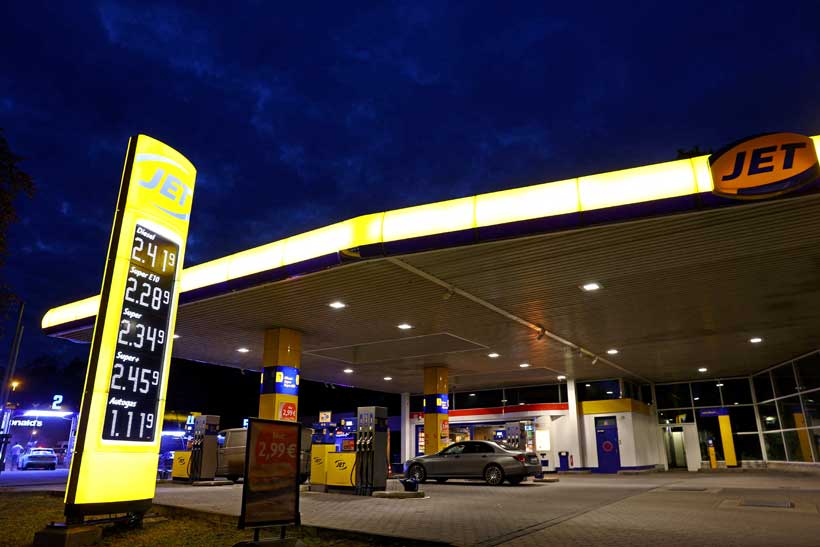
The logic is not hard to reconstruct. Diesel prices have repeatedly set all-time records this autumn, pushed up by the Iran war’s disruption of Gulf flows and by Ukrainian drone strikes on Russian refineries. With less than a month left before midterm elections fought largely on affordability, the White House needs barrels, and Russia has them, or says it does. Under the arrangement as Trump described it, Moscow would release 300,000 tonnes immediately, a further 500,000 in November and a million more after that.
