


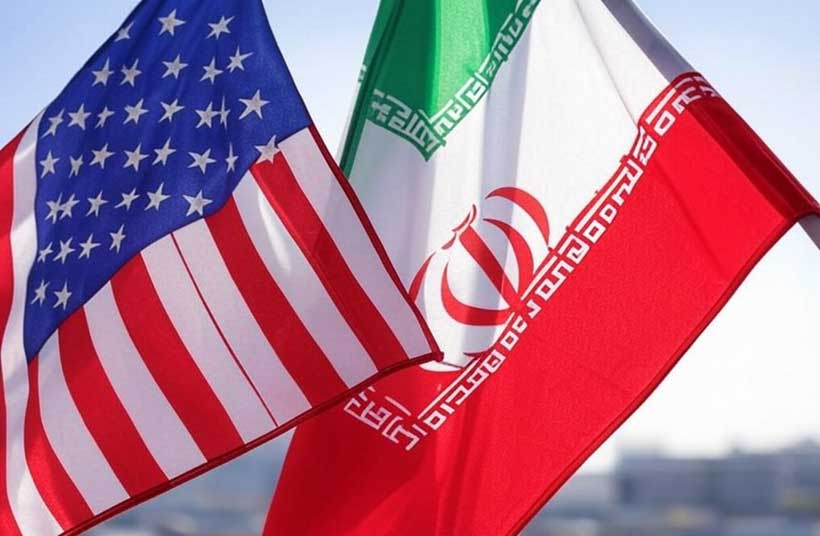
The United States and Saudi Arabia carried out coordinated airstrikes against Iran-backed armed groups in Iraq on Wednesday, marking Washington’s first direct military action in the Middle East since President Donald Trump paused the U.S. bombing campaign against Iran last week. The operation represents a significant expansion of regional military involvement, with Saudi Arabia openly joining U.S. strikes for the first time during the current conflict.
According to Washington and Riyadh, the strikes were launched in response to drone attacks on Saudi oil facilities allegedly carried out by Iran-backed militias operating from Iraqi territory.
Iran Rejects Hormuz Proposal
At the same time, Iran rejected an Omani proposal for joint management of the Strait of Hormuz, insisting that Tehran should retain primary control over one of the world’s most strategically important maritime chokepoints.
Iran’s Revolutionary Guards also claimed responsibility for missile attacks against U.S. military installations in Jordan and said they had targeted vessels attempting to transit the Strait of Hormuz without authorization.
Stay ahead of the geopolitical week.
MD Briefing delivers expert analysis across five global fronts — the Indo-Pacific, energy, geoeconomics, European security, and the Middle East — every Monday morning. Free.
Heavy Casualties Among Iraqi Militias
Iraq’s Popular Mobilisation Forces (PMF), a network of Iran-backed paramilitary groups integrated into Iraq’s security forces, reported that at least 20 fighters were killed and 32 wounded in the strikes.
Images broadcast by Iraqi television showed funerals for militia members as crowds chanted anti-American slogans, highlighting the domestic political sensitivity of the operation.
The Iraqi government, which maintains close relations with both Tehran and Washington, convened an emergency security meeting amid fears that further escalation could destabilize the country.
Saudi Arabia Takes a More Direct Military Role
The operation marks a notable shift in Saudi Arabia’s role in the regional conflict.
Although Riyadh has long viewed Iranian influence as a security threat, it had largely avoided direct military participation alongside the United States during the current war. Publicly acknowledging joint operations signals a more assertive Saudi posture and risks widening the conflict along sectarian lines.
Saudi Arabia is also facing growing pressure from Yemen’s Iran-aligned Houthi movement, which has announced a blockade of Saudi oil exports through the Red Sea and intensified attacks on energy infrastructure.
Hormuz Remains the Core Flashpoint
The Strait of Hormuz continues to be the central point of contention between Washington and Tehran.
Negotiations that temporarily eased tensions collapsed after disagreements over control of the waterway. While Gulf states and Oman proposed a joint management framework, Iran rejected the arrangement, arguing that it failed to protect its strategic interests.
The United States has continued advising commercial vessels to use routes closer to Omani waters, while Iran insists it retains operational control over navigation through the strait.
Oil Prices Rise Again
Renewed fighting immediately affected global energy markets.
Brent crude climbed approximately 4.6%, approaching $88 per barrel, as traders priced in renewed risks to one of the world’s most important oil transit routes.
Although prices had eased after Trump’s suspension of direct strikes on Iran, Wednesday’s developments renewed concerns about supply disruptions across the Gulf.
The joint U.S.-Saudi strikes signal that the conflict is expanding beyond direct confrontation with Iran into a broader campaign against Tehran’s regional proxy network. Saudi Arabia’s open participation represents a strategic shift that could deepen sectarian polarization and increase the likelihood of retaliatory attacks across Iraq, Jordan, the Red Sea, and the Gulf.
At the same time, Iran’s rejection of a compromise over the Strait of Hormuz suggests diplomacy remains stalled, keeping one of the world’s most critical energy corridors at the center of geopolitical tensions. As military operations spread and oil markets react, the risk of a wider regional conflict involving multiple state and non-state actors continues to grow.
With information from Reuters.
