European vacation rentals have entered a bizarre era where there’s more municipal red tape than luxury.
The romantic idea of escaping to a restored Tuscan farmhouse or a modernist villa overlooking the French Riviera, perhaps with a glass of local wine in hand while watching the sunset over olive groves that have stood for centuries, has run straight into the cold reality of the European Union’s fight against carbon.
How does that reconcile with holidayers who expect 3m pools heated to an exact temperature? Whole-house air conditioning? Double-door refrigerators? Massive panoramic windows?
We don’t know, but we do know that local councils are staring down energy grids that are already stressed to their absolute limits. Sustainability isn’t just a case of putting a small wooden sign in the bathroom asking guests to reuse their towels anymore.
Stay ahead of the geopolitical week.
MD Briefing delivers expert analysis across five global fronts — the Indo-Pacific, energy, geoeconomics, European security, and the Middle East — every Monday morning. Free.
WTTC Initiatives and the Corporate Push for Greener Stays
The World Travel & Tourism Council has spent the last few years trying to bring about that reconciliation. A massive partnership with the United Nations Environment Programme is pushing circular economy guidelines down the throats of major hospitality operators, hoping that global standards will somehow trick independent luxury property managers into compliance. It sounds great on paper. The industry wants independent certification schemes to look uniform across borders, because global corporations hate dealing with twenty different regional rules when they could just tick a single corporate checkbox instead.
For property managers, it’s trickle-down bureaucracy at its finest. You can’t just call a rental “eco-friendly” anymore because you bought organic cotton sheets, left a bottle of locally sourced olive oil on the kitchen counter, installed a Nest thermostat, and planted some lavender in the garden. The standards are tightening.
The WTTC is pushing for genuine data transparency, which means tracking actual water stewardship metrics, managing real-time grid feedback loops, auditing supply chains, and proving carbon offsets. It’s an administrative headache for anyone who just wanted to rent out a luxury apartment while drinking espresso on a private terrace.
With sustainability metrics becoming a core driver of soft power and local tourism compliance across European markets, consumer-facing tech platforms are reacting by categorizing eco-certified accommodations. Advanced search ecosystems such as Villa Picker are facilitating this transition, allowing travelers to filter properties by energy efficiency standards and regional sustainability benchmarks without sacrificing premium amenities.
Balancing High-End Amenities with Low-Impact Operations
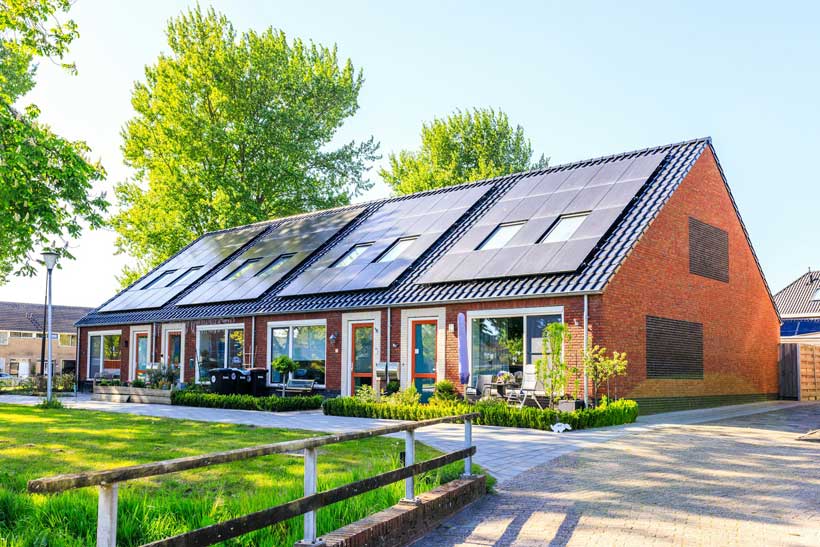
This leaves high-end property operators in a tricky bind. Holidayers don’t want a lecture on carbon footprints when they’re paying thousands of euro a night and retrofitting a centuries-old villa with triple glazing, thick cavity wall insulation, solar roof tiles, and ground-source heat pumps is an architectural nightmare that costs a fortune.
Operators are forced to play a complicated game of smoke and mirrors with smart home technology. They’re installing automated sensors that kill the climate control the second a guest steps outside, investing in invisible greywater recycling systems, choosing low-flow rainfall showerheads that disguise water conservation as a spa experience, and buying electric vehicle charging stations that look sleek next to a rented sports car. It’s a delicate compromise. If Europe’s green transition succeeds, it’ll be because the luxury rental market figured out how to hide the machinery of sustainability behind a velvet curtain of premium comfort.