


Europe’s largest travel company, TUI, reported resilient holiday demand and maintained its annual outlook despite disruptions caused by the Iran conflict and rising fuel costs.
The company posted a smaller than expected second quarter operating loss, supported by strong cruise bookings and efforts to streamline its airline operations.
TUI said geopolitical uncertainty continued to create challenges for the travel industry, but consumer demand for holidays remained strong heading into the second half of the year.
TUI Reports Smaller Quarterly Loss
TUI recorded an adjusted operating loss of 188 million euros for the quarter ending March 31, improving by 9% compared with the previous year.
Stay ahead of the geopolitical week.
MD Briefing delivers expert analysis across five global fronts — the Indo-Pacific, energy, geoeconomics, European security, and the Middle East — every Monday morning. Free.
The results were better than analyst expectations despite a 40 million euro financial impact linked to the Iran conflict, which forced flight cancellations and shipping route adjustments.
The January to March period is traditionally weaker for travel companies because of lower seasonal holiday demand.
Iran Conflict Raises Costs but Demand Holds
The war involving Iran has disrupted parts of the aviation and tourism sector through higher fuel prices and operational complications.
Airlines and travel firms have warned about the broader impact of rising geopolitical instability on flight schedules and operating expenses.
However, TUI said it had not experienced major booking weakness and continued to see strong demand for holidays and cruises.
Chief Executive Sebastian Ebel said the company did not expect fuel shortages to affect summer travel, although higher fuel prices could continue to pressure costs.
Travelers Shift Booking Patterns
TUI reported that customers are increasingly booking trips closer to departure dates as travelers remain cautious about potential geopolitical disruptions.
The company also observed a shift in holiday demand away from the eastern Mediterranean toward destinations in the western Mediterranean.
Despite changing travel patterns, TUI said higher holiday prices were helping support revenue stability.
Second quarter revenue remained roughly unchanged at around 3.7 billion euros.
Cruise Business Drives Growth
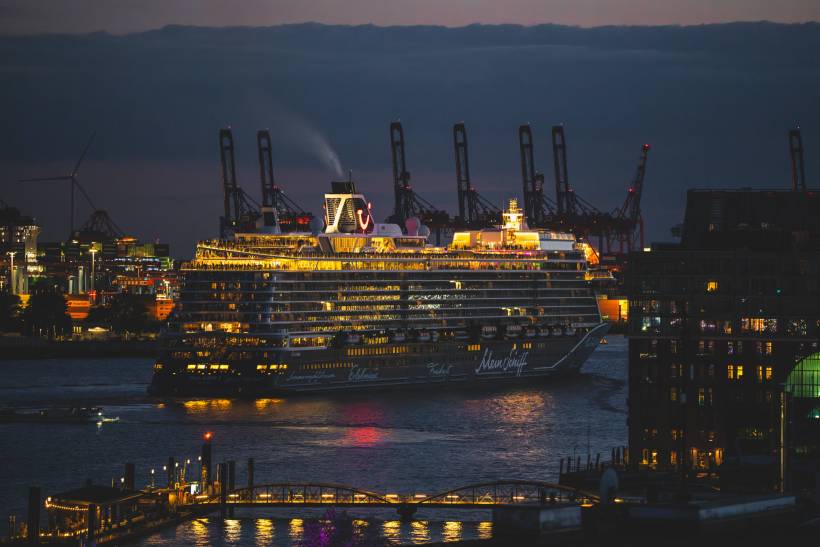
TUI highlighted particularly strong demand for cruises, describing bookings in that segment as extremely robust.
The company said cruise operations were helping offset weakness in other areas of the business and contributing positively to overall results.
TUI also stated that concerns surrounding a recent hantavirus scare had not negatively affected cruise demand.
Company Maintains Annual Forecast
TUI confirmed its revised outlook for the 2026 financial year, forecasting adjusted operating profit between 1.1 billion and 1.4 billion euros.
The company had previously lowered its guidance in April because of uncertainty tied to the Iran conflict and rapidly rising jet fuel costs.
Management said maintaining flexibility and diversifying operations remained key priorities as geopolitical and economic conditions continue to evolve.
Analysis
TUI’s results suggest that global tourism demand remains resilient even amid geopolitical instability and rising travel costs.
The company’s ability to maintain strong bookings despite the Iran conflict reflects continued consumer willingness to prioritize travel experiences, particularly in Europe’s leisure market.
At the same time, changing booking behavior shows that travelers are becoming more cautious and adaptable. Last minute bookings and shifts toward perceived safer destinations indicate how geopolitical risks are increasingly influencing tourism trends.
The cruise sector’s strong performance also highlights how diversified travel companies may be better positioned to absorb shocks affecting specific regions or transportation segments.
However, risks remain significant. Prolonged conflict in the Middle East, sustained oil prices above $100 per barrel, or wider disruptions to air travel could place further pressure on airline operations and consumer spending.
TUI’s decision to maintain its outlook signals confidence in summer demand, but the company’s emphasis on flexibility and diversification suggests the travel industry still expects volatility in the months ahead.
With information from Reuters.
