


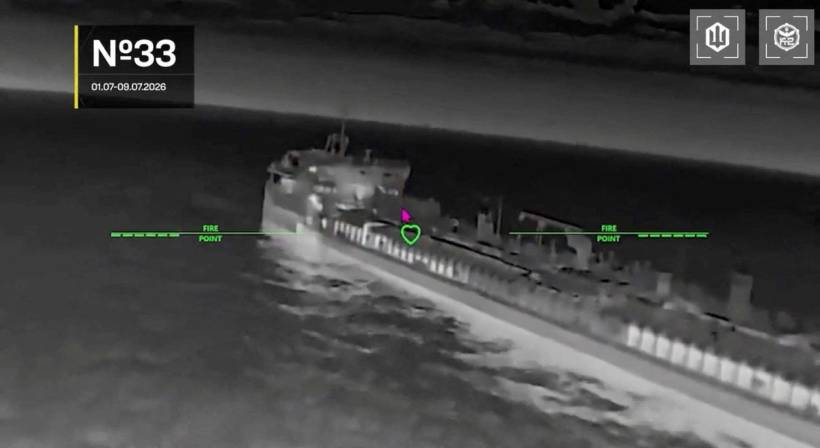
Russia said on Tuesday it is preparing to reroute grain exports away from the Sea of Azov after Ukrainian attacks disrupted shipping in the strategic waterway, raising concerns over one of the country’s key agricultural export routes.
The government said alternative ports would ensure exports continue without affecting food supplies, even as restrictions on shipping through the Sea of Azov remain in place following the latest escalation in the conflict.
Russia Plans Alternative Export Routes
Russia’s Agriculture Ministry said grain exports would continue through other ports if required, stressing that the country has sufficient capacity to redirect agricultural cargo.
Officials said the disruption would not reduce export volumes or threaten domestic food security, adding that logistics would be adjusted to minimize the impact on farmers and international buyers.
Stay ahead of the geopolitical week.
MD Briefing delivers expert analysis across five global fronts — the Indo-Pacific, energy, geoeconomics, European security, and the Middle East — every Monday morning. Free.
Although the ministry did not officially confirm restrictions on Sea of Azov shipping, industry sources said vessel movements remain limited.
Sea of Azov Shipping Faces Major Disruption
The restrictions follow several Ukrainian attacks on commercial vessels in the Sea of Azov last week, creating the most significant disruption to Russia’s Black Sea grain trade since the war began.
According to shipping sources, vessels can still operate within the Sea of Azov but are currently unable to enter or leave through the Kerch Strait, the vital gateway connecting the sea with the Black Sea.
The Sea of Azov normally handles around one-quarter of Russia’s grain exports, making it a critical corridor for global agricultural trade.
Exporters Look to Black Sea and Baltic Ports
Grain exporters said shipments could instead be redirected through deep-water terminals on the Black Sea or ports on the Baltic Sea.
However, these alternatives are not without risk, as several Russian ports have also faced Ukrainian drone attacks targeting energy and transport infrastructure in recent months.
Russia’s Union of Grain Exporters and Producers said contractual obligations to foreign buyers would still be fulfilled despite the logistical challenges.
Ukraine Expands Infrastructure Campaign
The latest shipping disruption forms part of Ukraine’s broader strategy of targeting Russian infrastructure.
In recent months, Ukrainian forces have intensified long-range strikes against oil refineries, fuel depots, ports, and other logistics facilities in an effort to disrupt Russia’s military and economic capabilities.
These attacks have contributed to fuel shortages in parts of Russia and forced authorities to adjust transport and supply networks.
Harvest Season Adds Pressure
The disruption comes as Russia begins harvesting its new grain crop in southern agricultural regions, including Rostov.
Officials noted that most newly harvested grain has not yet reached export terminals, meaning immediate shipment volumes remain relatively limited.
Regional authorities said efforts are focused on reducing logistical bottlenecks so farmers can market the new harvest efficiently once exports accelerate.
Why This Matters
Russia is one of the world’s largest wheat exporters, and any disruption to its export routes can influence global food supplies and grain prices. While Moscow says alternative ports can absorb the lost capacity, prolonged restrictions in the Sea of Azov could increase transport costs, delay deliveries, and add uncertainty to international agricultural markets.
Future Outlook
Russia is expected to rely more heavily on Black Sea and Baltic ports until shipping through the Sea of Azov fully resumes. Much will depend on the security situation around the Kerch Strait and whether Ukraine continues targeting maritime and logistics infrastructure. If disruptions persist during the peak harvest season, global grain markets could experience renewed volatility, particularly if export delays begin to affect international buyers.
With information from Reuters.
