


Turkey emerged as one of the biggest diplomatic winners from the NATO summit in Ankara after President Donald Trump lavished praise on Turkish President Recep Tayyip Erdogan, promised to lift U.S. sanctions and signalled openness to restoring Turkey’s access to the F-35 fighter jet programme.
The public display of warmth contrasted sharply with Trump’s criticism of several NATO allies during the summit and highlighted improving U.S.-Turkey relations after years of tensions.
Turkey rolls out high-profile welcome for Trump
Turkey spared little effort in welcoming Trump to Ankara.
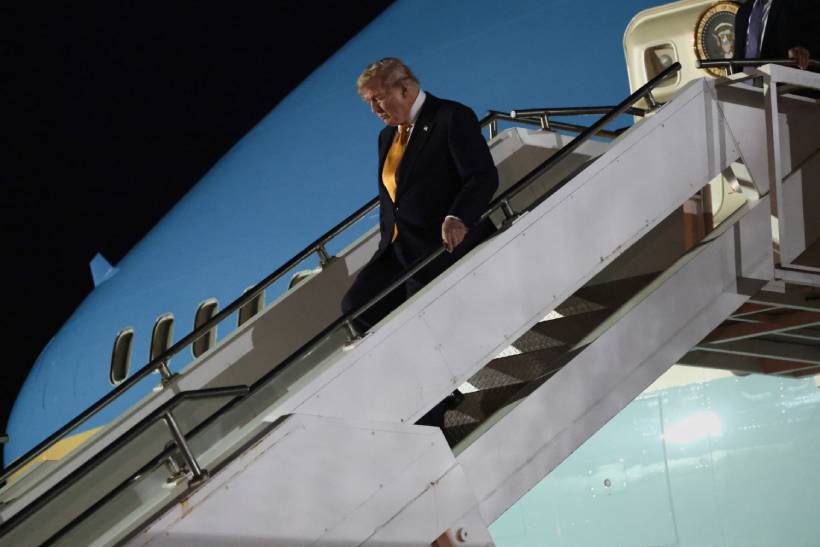
The visit featured a red, white and blue aerial display by Turkish jets, while a newly opened airport terminal was named after the U.S. president. Erdogan personally greeted Trump at the airport before the two leaders walked together, exchanged warm remarks and held talks ahead of the summit.
Stay ahead of the geopolitical week.
MD Briefing delivers expert analysis across five global fronts — the Indo-Pacific, energy, geoeconomics, European security, and the Middle East — every Monday morning. Free.
Trump later described Erdogan as a close friend and repeatedly praised the Turkish leader during the two-day gathering.
Trump says Erdogan convinced him to attend
For Turkish officials, securing Trump’s attendance was itself considered a diplomatic achievement.
Trump, who has frequently criticised NATO and questioned the alliance’s value, said he attended the summit because Erdogan was hosting it.
Erdogan welcomed the remarks after the summit.
“It was valuable that Trump emphasised the importance he places on myself and our friendship,” Erdogan said.
US signals shift on sanctions and F-35 fighter jets
The most significant outcome for Ankara was Trump’s indication that he intends to remove U.S. sanctions imposed after Turkey purchased Russia’s S-400 missile defence system in 2019.
Trump also said he was willing to consider allowing Turkey back into the F-35 stealth fighter programme, although he later clarified that he had not made a final decision.
If implemented, both moves would reverse major elements of U.S. policy that had severely strained bilateral relations during Trump’s first presidency.
Congress and Russia remain potential obstacles
Despite Trump’s promises, significant hurdles remain.
U.S. lawmakers have previously insisted Turkey cannot participate in the F-35 programme while retaining the Russian-made S-400 system, making congressional approval uncertain.
Turkey could also face complications with Russia because agreements governing the S-400 purchase include end-user obligations that may limit Ankara’s options.
As a result, the announcements currently represent political commitments rather than guaranteed policy changes.
Erdogan strengthens Turkey’s position inside NATO
The summit reinforced Turkey’s ambition to play a larger role within NATO.
As the alliance’s second-largest military, Turkey has increasingly promoted itself as an indispensable security partner while seeking greater participation in European defence initiatives.
Trump also publicly defended Erdogan against criticism from Israeli Prime Minister Benjamin Netanyahu, who opposed potential U.S. sales of F-35 fighter jets to Turkey.
The episode underscored Ankara’s growing diplomatic influence within the alliance.
Trump overshadows summit with disputes involving allies
While relations with Turkey improved, Trump generated fresh tensions elsewhere during the summit.
He threatened to halt U.S. trade with Spain over defence spending disputes and repeated claims regarding Greenland, drawing criticism from fellow NATO members.
Despite those disagreements, NATO Secretary General Mark Rutte later described the summit as demonstrating alliance unity.
Human rights concerns receive limited attention
The summit also highlighted how Turkey’s strategic importance has reduced public Western criticism over democratic issues.
The gathering took place amid arrests of opposition figures, journalists and a prominent comedian in Turkey, prompting questions about democratic freedoms.
Rutte reiterated that democracy includes freedom of expression, free media and the right to protest.
Opposition figures argued Erdogan’s increasingly close relationship with Washington reflects growing political dependence on the United States, while critics contend Western governments have become less vocal about human rights as Turkey’s military and geopolitical importance has grown.
Future outlook
The NATO summit could mark a turning point in U.S.-Turkey relations if Trump’s pledges on sanctions relief and the F-35 programme translate into policy. However, congressional resistance, Turkey’s continued possession of the Russian S-400 system and wider geopolitical considerations remain significant obstacles. Ankara is also expected to continue pushing for greater influence within NATO and broader participation in European defence initiatives.
Analysis
The NATO summit marked one of the strongest public displays of U.S.-Turkey relations in years, with President Donald Trump using the gathering to signal a willingness to reset ties with Ankara after years of friction over Turkey’s purchase of Russia’s S-400 missile defence system. For President Recep Tayyip Erdogan, simply hosting Trump and receiving repeated public praise from him represented a significant diplomatic victory that reinforced Turkey’s strategic importance within the alliance.
Trump’s promises to lift sanctions and reconsider Turkey’s return to the F-35 fighter jet programme address two of Ankara’s longest-standing demands. However, turning those pledges into reality will be far more difficult. U.S. law and congressional opposition remain major obstacles, particularly while Turkey continues to possess the Russian-made S-400 system. Moscow could also object if Ankara takes steps that undermine agreements linked to the missile purchase.
The summit also highlighted a broader shift in Western priorities. During previous U.S. administrations, especially under Joe Biden, democratic backsliding and human rights concerns were central issues in relations with Turkey. This time, those concerns received relatively little attention as NATO focused on defence spending, military cooperation and regional security, reflecting Turkey’s growing value as a defence producer and a key NATO member on the alliance’s southeastern flank.
Trump’s warm embrace of Erdogan contrasted sharply with his confrontational approach toward several other NATO allies, including Spain and Denmark. That dynamic allowed Turkey to emerge from the summit with enhanced diplomatic standing even as broader alliance tensions persisted.
Whether this diplomatic momentum produces lasting policy changes will depend on decisions in Washington after the summit. If sanctions are eased and progress is made on the F-35 issue, bilateral ties could enter their most constructive phase in years. If congressional or legal barriers prevent those moves, however, the summit may ultimately be remembered more for its symbolism than for delivering concrete strategic gains.
With information from Reuters.
