


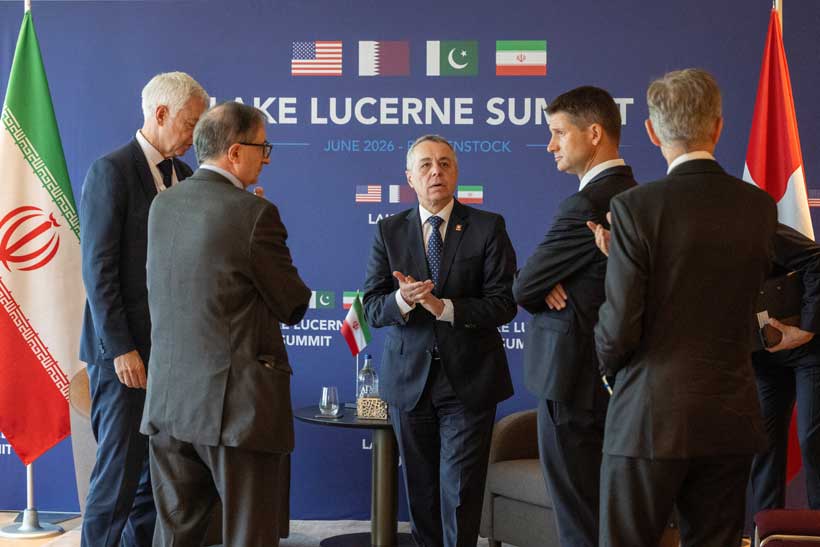
Uncertainty surrounding planned diplomatic engagements in Qatar has cast doubt over efforts to secure a lasting peace agreement between the United States and Iran, despite an interim accord designed to end months of conflict. While senior US envoys are expected in Doha and technical delegations from Iran are also present, conflicting statements from both sides have raised questions about whether direct negotiations will actually take place.
The uncertainty comes after renewed military exchanges tested the fragile ceasefire, highlighting the difficulty of translating temporary de-escalation into a comprehensive political settlement. The outcome carries significant implications not only for regional security but also for global energy markets, maritime trade through the Strait of Hormuz and broader Middle East stability.
Conflicting diplomatic signals fuel uncertainty
The latest diplomatic push has been overshadowed by contradictory messaging from Washington and Tehran. While the United States has announced high-level meetings in Doha, Iranian officials insist that no direct negotiations with American representatives are scheduled, suggesting that expectations for immediate diplomatic progress remain limited.
This disconnect has complicated efforts to assess whether the current engagement represents substantive peace negotiations or merely parallel diplomatic activity.
Stay ahead of the geopolitical week.
MD Briefing delivers expert analysis across five global fronts — the Indo-Pacific, energy, geoeconomics, European security, and the Middle East — every Monday morning. Free.
Ceasefire remains vulnerable after renewed hostilities
Recent exchanges of missile and drone attacks have exposed the fragility of the interim agreement reached earlier this month. Although both governments continue to publicly support diplomacy, the renewed violence demonstrates that military tensions remain capable of undermining political negotiations at short notice.
The incidents reinforce concerns that confidence-building measures remain insufficient to guarantee the durability of the ceasefire.
Strait of Hormuz remains central to negotiations
The future management of the Strait of Hormuz continues to dominate discussions between regional stakeholders. While maritime traffic has begun to recover, Iran’s efforts to regulate access to the strategic waterway through new transit measures continue to generate uncertainty for international shipping companies and energy markets.
Ensuring predictable navigation through one of the world’s most important energy corridors remains a critical objective for both regional governments and global markets.
Nuclear dispute remains the most difficult obstacle
Although immediate attention has focused on de-escalating military tensions, the long-term success of any agreement ultimately depends on resolving disagreements over Iran’s nuclear programme.
The interim accord provides a framework for broader negotiations, but the nuclear issue remains politically sensitive for both governments and is likely to determine whether a permanent settlement can be achieved.
Regional conflicts remain closely interconnected
The US Iran negotiations extend beyond bilateral relations, with the agreement also intended to create conditions for easing broader regional conflicts, including tensions involving Israel and Hezbollah in Lebanon.
However, continuing disagreements over parallel ceasefire arrangements in Lebanon illustrate how interconnected regional conflicts could complicate implementation of a wider peace framework even if progress is achieved between Washington and Tehran.
Markets remain cautiously optimistic despite uncertainty
Financial markets have responded positively to the reduction in immediate military confrontation, with oil prices continuing to ease as investors anticipate a gradual recovery in Gulf energy exports.
Nevertheless, market sentiment remains highly sensitive to diplomatic developments, as any breakdown in negotiations could quickly reverse recent gains in energy markets and renew concerns over supply disruptions.
Future Outlook
The coming weeks will determine whether diplomatic engagement in Qatar evolves into meaningful negotiations or remains limited to technical discussions and crisis management. Progress toward a permanent agreement will depend on the ability of both sides to preserve the fragile ceasefire while addressing more contentious issues, particularly Iran’s nuclear programme and long-term security arrangements in the Gulf.
Even if direct negotiations remain limited in the near term, continued diplomatic contacts could help reduce the risk of renewed military escalation and support the gradual normalisation of shipping through the Strait of Hormuz. However, persistent mistrust, competing political priorities and unresolved regional conflicts mean that achieving a comprehensive US Iran agreement is likely to remain a prolonged and uncertain process.
With information from Reuters.
