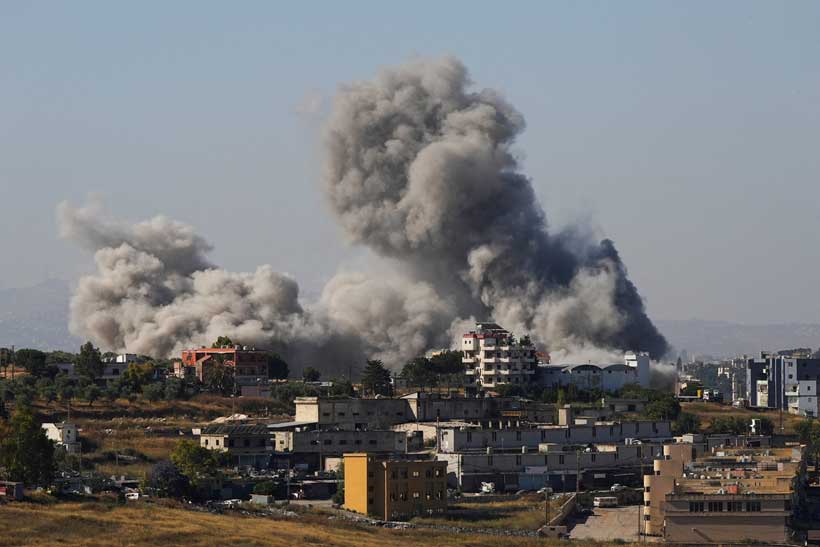
Israeli airstrikes in Lebanon killed 16 people shortly after a truce was announced. Israel stated it was responding to attacks by Hezbollah, while Hezbollah insisted it would not let Israel operate freely in Lebanon. A ceasefire is essential for starting U. S.-Iran talks on Iran’s nuclear program and other issues, but the timeline for these discussions remains unclear.
The temporary U. S.-Iran agreement demands both sides halt military actions, including in Lebanon. However, Israel has stated that it is not part of this deal and will maintain its military presence in Lebanese territory. The ceasefire, which began at 4 p.m. on Friday, was confirmed by both Israeli and Hezbollah sources.
The Lebanese news agency reported that Israeli strikes targeted southern Lebanon and the Bekaa Valley, areas known to be Hezbollah strongholds. An Israeli military spokesperson claimed Hezbollah had fired over 50 projectiles at Israeli forces, prompting Israel to attack what it deemed Hezbollah positions. A Hezbollah statement confirmed their fighters clashed with Israeli forces and stated they would respond to any Israeli attempts to extend their control in Lebanon.
The conflict escalated after Hezbollah’s attack on Israel amid U. S. and Israeli military actions against Iran. One of the most deadly strikes on Saturday hit a residential building in Barish, killing a family of four. The Lebanese army reported that another strike killed a soldier.
Israel’s military spokesperson expressed that stability could be achieved if Hezbollah ceased its aggressive actions. The health ministry in Lebanon reported that 3,912 deaths have occurred due to Israeli attacks since March, without specifying how many of those casualties are combatants. Israel reported casualties on its side, including 32 soldiers and four civilians.
As fighting continued, uncertainty loomed over the commencement of substantial U. S.-Iran negotiations to transform the interim agreement into a lasting peace deal. Switzerland has been facilitating these discussions but remains confidential about further details. Plans for high-level talks involving U. S. Vice President JD Vance were canceled due to rising tensions.
The ongoing conflict has resulted in significant loss of life, exceeding 8,000, primarily in Iran and Lebanon, and has contributed to rising global energy prices. The interim deal proposes sanctions relief for Iran and financial incentives to foster recovery and engagement. Former President Trump defended the deal amidst criticism, asserting it strengthens U. S. negotiating power while diminishing Iran’s position.
With information from Reuters