


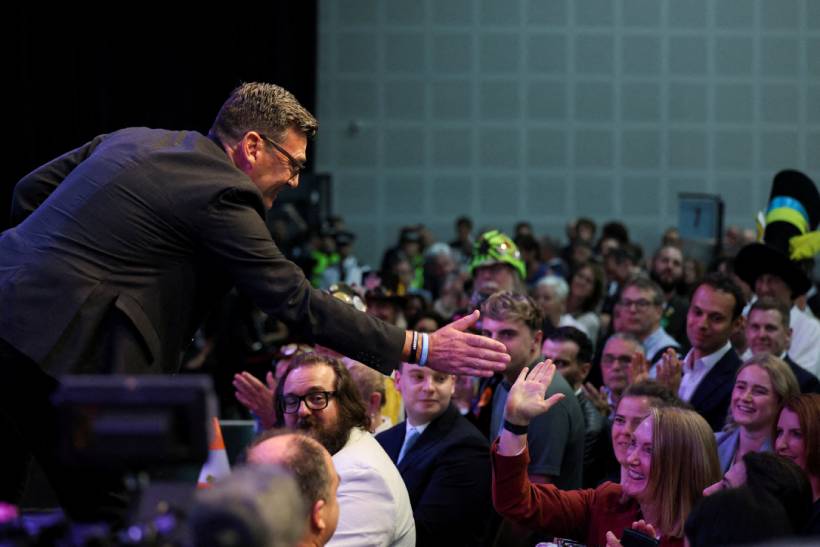
Andy Burnham’s decisive parliamentary by election victory has intensified speculation about the future of Prime Minister Keir Starmer’s leadership of the Labour Party. Burnham secured 54.8% of the vote, a result that has strengthened his standing among Labour members and lawmakers who believe the party needs a different leader to counter the growing threat posed by Nigel Farage’s Reform UK.
The result comes at a difficult moment for Starmer. Labour suffered significant losses in recent local elections, with Reform UK making major gains by attracting voters frustrated with the government’s performance and concerned about immigration and living standards. The setback prompted a growing number of Labour MPs to publicly question Starmer’s future, with roughly a quarter of the party’s lawmakers reportedly urging him to step down.
Burnham, who previously served as a Labour cabinet minister before becoming Mayor of Greater Manchester, has long been viewed as a potential future party leader. His return to Westminster gives him the parliamentary platform required to challenge for the leadership and potentially become prime minister.
Why It Matters
The debate over Labour’s leadership is no longer a fringe discussion within the party. It has become a central political issue because it could determine the direction of Britain’s government and Labour’s prospects at the next general election.
Stay ahead of the geopolitical week.
MD Briefing delivers expert analysis across five global fronts — the Indo-Pacific, energy, geoeconomics, European security, and the Middle East — every Monday morning. Free.
Many Labour figures believe Burnham’s political style and stronger connection with working class voters could help the party recover support lost to Reform UK. His supporters argue that he is better positioned than Starmer to challenge Farage on issues such as immigration, public services, regional inequality, and economic opportunity.
At the same time, any leadership struggle risks exposing divisions within Labour and creating uncertainty within government. A prolonged contest could weaken the party’s ability to govern and provide ammunition to political opponents.
How Burnham Could Replace Starmer
One route would involve an orderly transfer of power. Some Labour politicians have urged Starmer to establish a timetable for his departure rather than fight a lengthy leadership battle. Under this scenario, Burnham could emerge as a consensus candidate if rivals decide not to run.
Such a transition would allow Labour to avoid a divisive internal contest and present a united front to voters. Supporters of this approach argue that a smooth handover would minimize political damage and allow the government to focus on policy rather than party infighting.
A second route would involve Burnham launching a direct challenge. Now that he has returned to parliament, he is eligible to contest the leadership. Labour rules require challengers to secure nominations from at least 20% of Labour MPs before entering a race. If Burnham can build sufficient support, he could force a contest against Starmer.
Another possibility is that Burnham delays any move until after the summer. Waiting would give him time to strengthen relationships with MPs, many of whom entered parliament after he left Westminster in 2017. It would also allow him to further establish himself as a national figure before confronting the prime minister.
Other Potential Contenders
Burnham is not the only figure being discussed as a possible successor. Former health minister Wes Streeting has suggested that Starmer should reconsider his position and has indicated he could challenge for the leadership if necessary.
Streeting is viewed as a significant figure within Labour and could attract support from MPs seeking a different direction. However, opinion surveys among Labour members suggest Burnham currently enjoys stronger grassroots support and would enter any contest as the favorite.
The possibility of multiple candidates could complicate efforts to engineer a smooth transition and increase the likelihood of a competitive leadership race.
Challenges Facing Burnham
Despite his momentum, Burnham’s path to the top is far from guaranteed. Starmer remains the sitting prime minister and retains significant support among ministers and party officials. Labour’s rules also make leadership challenges difficult by requiring challengers to demonstrate substantial parliamentary backing.
Burnham would need to convince MPs that replacing a sitting prime minister is worth the political risk. Many lawmakers may fear that internal conflict could damage Labour’s reputation and undermine public confidence in the government.
Timing is another challenge. Moving too quickly could be seen as opportunistic, while waiting too long could allow Starmer to regain authority and stabilize his leadership.
What Happens Next
The coming weeks are likely to be critical. Labour MPs will closely watch Starmer’s response to growing calls for change and whether he signals any willingness to step aside.
Attention will also focus on Burnham’s actions after taking his seat in parliament. Whether he immediately positions himself as an alternative leader or adopts a more cautious approach could shape the trajectory of Labour politics for the rest of the year.
Any formal leadership challenge would likely trigger months of campaigning among MPs, party members, and trade unions before a winner is chosen.
Analysis
Burnham’s return to Westminster has dramatically altered Labour’s political landscape. He combines national name recognition, executive experience as Greater Manchester mayor, and an electoral record that many party members view as stronger than Starmer’s.
His appeal lies in his ability to connect with voters beyond Labour’s traditional metropolitan base. At a time when Reform UK is attracting support from working class communities, Burnham’s allies believe he offers a more effective response than Starmer.
However, leadership changes rarely occur without consequences. Labour must balance the desire for electoral renewal against the risks of removing a sitting prime minister. If the party becomes consumed by internal battles, it could strengthen Reform UK and other opponents rather than improve Labour’s position.
The central question is whether Labour’s concerns about Starmer become severe enough to justify replacing a prime minister who still controls the government. Burnham’s growing popularity makes him the most obvious beneficiary of any shift, but the timing and manner of such a transition remain highly uncertain.
With information from Reuters.
