


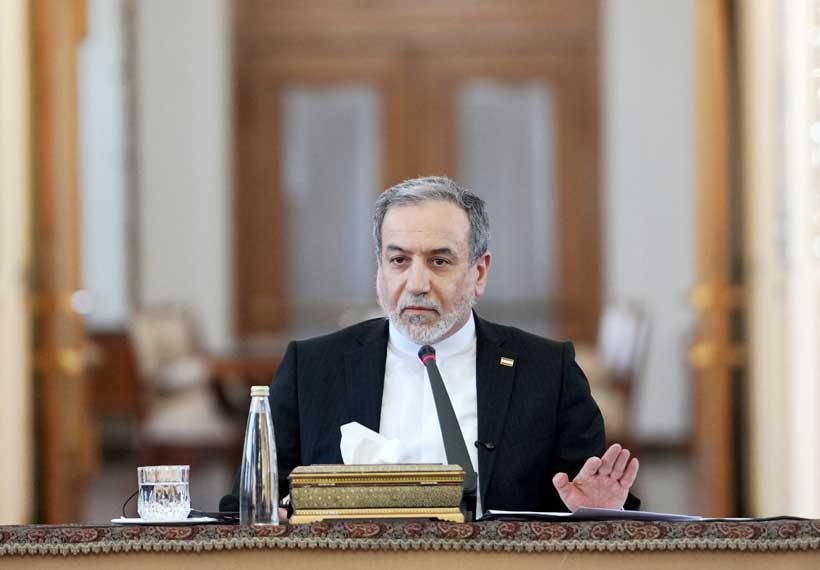
Iran’s government has portrayed the interim agreement with the United States as a victory that ended months of conflict and prevented further escalation. The deal halted a war that saw U.S. and Israeli airstrikes, disruptions to trade, and severe economic damage across Iran.
However, interviews with ordinary Iranians reveal a starkly different picture. Many citizens say years of sanctions, combined with the recent conflict, have left them struggling with rising prices, declining living standards, and deep uncertainty about the future. While the fighting may have stopped for now, many remain unconvinced that the agreement will bring meaningful economic relief or lasting stability.
Economic Hardship Continues to Dominate Daily Life
For many Iranians, the ceasefire has not changed the reality of daily economic struggles.
Business owners, students, and workers interviewed across the country described a population focused on survival rather than recovery. Many reported cutting household spending, reducing social activities, and adjusting to higher living costs. Small businesses continue to face weak consumer demand, while young people increasingly worry about their economic prospects.
Stay ahead of the geopolitical week.
MD Briefing delivers expert analysis across five global fronts — the Indo-Pacific, energy, geoeconomics, European security, and the Middle East — every Monday morning. Free.
The war added another layer of pressure to an economy already weakened by years of international sanctions, inflation, and limited foreign investment. As a result, many citizens see little immediate prospect of improvement even if the ceasefire holds.
Divided Views on the Outcome of the Conflict
The agreement has exposed a clear divide between the government’s narrative and public sentiment.
Supporters of the Islamic Republic view the deal as proof that Iran resisted external pressure and preserved its political system. Some hardliners argue that the country emerged stronger and demonstrated resilience despite military and economic pressure.
Many ordinary citizens, however, are less focused on geopolitical outcomes and more concerned about living standards. For them, the key measure of success is whether the agreement leads to lower prices, economic opportunities, and greater stability. So far, few appear convinced that such changes are imminent.
Concerns Grow Over Political Freedoms
Beyond economic concerns, many Iranians fear that the post war environment could lead to tighter political controls.
Some citizens believe the government may use the conflict and national security concerns to justify stronger oversight and restrictions. These fears are particularly pronounced in regions populated by ethnic minorities, where previous protests have often been met with heavy security responses.
There is also uncertainty about whether public frustration over economic conditions could trigger future demonstrations. While many people remain cautious after previous crackdowns, underlying grievances over jobs, inflation, and political freedoms remain unresolved.
The ceasefire may have reduced the immediate threat of war, but it has done little to address the deeper challenges facing Iran. Public opinion appears increasingly shaped by economic realities rather than political declarations of victory.
The government may benefit in the short term from ending the conflict and avoiding further military escalation. However, lasting stability will depend on whether authorities can deliver tangible economic improvements and restore public confidence.
The biggest challenge for Tehran is that expectations remain extremely low. Many Iranians do not see the ceasefire as a turning point but rather as a temporary pause in a broader cycle of economic hardship and political uncertainty. If future negotiations fail to produce sanctions relief, investment, and economic recovery, public frustration could continue to grow despite the end of active conflict.
Stakeholders
- Iranian government and political leadership
- Iranian citizens and businesses
- United States
- Israel
- Ethnic minority communities in Iran
- International investors and energy markets
- Regional governments monitoring stability in the Middle East
What’s Next
Attention will now shift to negotiations aimed at turning the interim agreement into a permanent settlement. Iranian leaders will seek economic benefits and sanctions relief, while Washington is expected to push for further commitments on security and nuclear issues.
Domestically, the government faces the challenge of managing economic expectations and maintaining stability. Whether the ceasefire translates into meaningful improvements for ordinary Iranians may ultimately determine how the agreement is judged inside the country.
With information from Reuters.
