


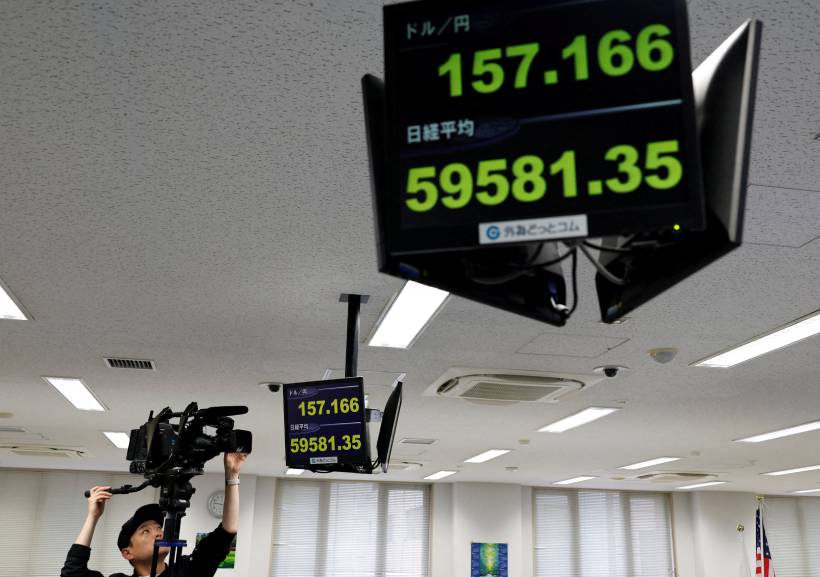
The U.S. dollar hovered near a 10-day low on Tuesday after news of a preliminary U.S.-Iran agreement boosted investor confidence and reduced demand for safe-haven assets. Falling oil prices and hopes of a lasting ceasefire in the Middle East improved market sentiment, supporting global equities and risk-sensitive currencies.
Meanwhile, the Bank of Japan raised interest rates to their highest level in more than three decades to address inflation risks linked to rising costs and geopolitical uncertainty. However, because the move had been widely anticipated, the Japanese yen remained close to the key 160-per-dollar level.
Why It Matters
The yen’s continued weakness despite higher interest rates underscores the limits of Japan’s monetary tightening when interest rates in the United States remain significantly higher. Investors continue to favor dollar-denominated assets, keeping pressure on the Japanese currency.
A weaker yen increases the cost of imports, particularly energy, food, and raw materials, potentially fueling inflation in Japan. While easing tensions between the U.S. and Iran have helped lower oil prices, uncertainty surrounding shipping routes and energy supplies continues to cloud the inflation outlook.
Stay ahead of the geopolitical week.
MD Briefing delivers expert analysis across five global fronts — the Indo-Pacific, energy, geoeconomics, European security, and the Middle East — every Monday morning. Free.
The situation also highlights broader concerns about global monetary policy. Currency markets are trying to determine whether major central banks have done enough to contain inflation without harming economic growth.
Stakeholders
- Bank of Japan: Faces pressure to control inflation while avoiding excessive economic slowdown.
- Japanese Government: May come under pressure to intervene in currency markets if the yen weakens further.
- Japanese Consumers: Could face higher living costs due to more expensive imports.
- Exporters and Manufacturers: A weaker yen can boost export competitiveness and overseas earnings.
- Global Investors: Are closely monitoring interest-rate differentials and currency movements for investment decisions.
- Energy Importers: Benefit from lower oil prices but remain vulnerable to disruptions in Middle Eastern supply routes.
- U.S. Federal Reserve and Other Central Banks: Their policy decisions will influence currency markets and global capital flows.
What’s Next
Attention now shifts to remarks from senior Bank of Japan officials, particularly regarding the pace and timing of future rate hikes. Markets will assess whether policymakers are prepared to tighten policy further if inflation remains persistent.
Investors are also awaiting decisions from the Federal Reserve and the Bank of England. If U.S. interest rates stay elevated while Japan proceeds cautiously, the yen could remain under pressure.
At the same time, the durability of the U.S.-Iran agreement will be closely watched. A sustained reduction in geopolitical tensions and smoother energy flows through the Strait of Hormuz could help ease inflation concerns, while any renewed disruptions could quickly revive market volatility.
With information from Reuters.
