


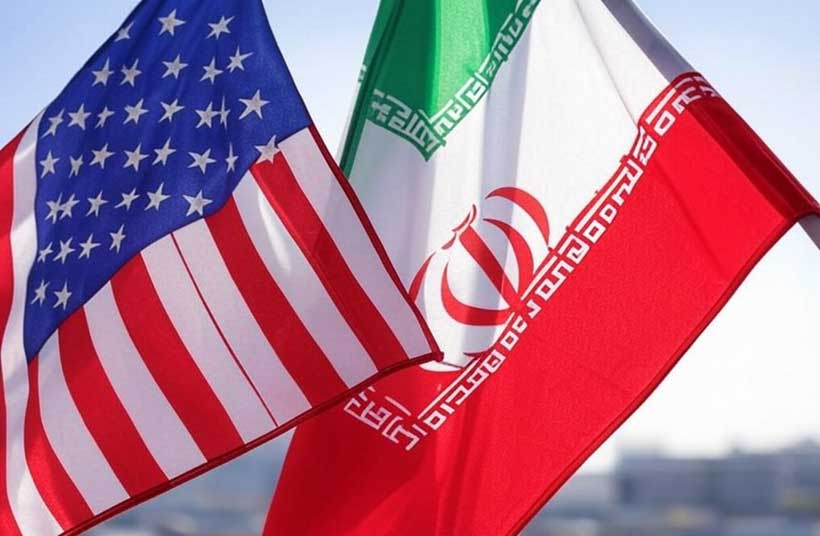
Negotiations aimed at ending the ongoing conflict involving Iran and the United States are entering a complex and uncertain phase, with both sides acknowledging limited progress but major disagreements still unresolved.
U.S. Secretary of State Marco Rubio said the process could take only “a few days” to reach a preliminary deal framework, though officials caution that a full settlement remains far from guaranteed.
The talks come after months of indirect diplomacy and intermittent military escalation, including U.S. strikes described as defensive operations in southern Iran.
Stage of the Negotiations
Diplomatic discussions are currently centered on a proposed memorandum of understanding that would establish a temporary framework for ending hostilities and creating conditions for a broader peace agreement.
Stay ahead of the geopolitical week.
MD Briefing delivers expert analysis across five global fronts — the Indo-Pacific, energy, geoeconomics, European security, and the Middle East — every Monday morning. Free.
Both sides say they have made partial progress, but key political and security disputes remain unresolved.
The proposed structure reportedly includes a 60-day negotiation window following an initial framework deal, during which technical and political issues would be addressed in detail.
Iranian officials have emphasized that while progress has been made on several points, this does not mean an imminent comprehensive agreement is close.
Core Elements of the Draft Framework
According to Iranian and U.S. sources, the draft framework under discussion includes several major components:
- An end to active hostilities across multiple fronts
- A reduction or lifting of U.S. naval restrictions affecting Iranian maritime access
- Measures related to safe shipping through the Strait of Hormuz
- Release of frozen Iranian financial assets abroad
- Potential easing of economic sanctions on Iran
- A phased approach to more sensitive issues such as nuclear activity and regional security arrangements
Iranian officials have also indicated that the framework is focused primarily on ending the war, rather than resolving deeper nuclear disputes at this stage.
Competing Priorities Between the Two Sides
Nuclear Programme Dispute
One of the most difficult issues remains Iran’s nuclear programme.
The United States maintains concerns that Iran could move toward developing nuclear weapons capabilities, while Tehran insists its programme is strictly for peaceful energy purposes.
Discussions are expected to eventually address uranium enrichment levels, stockpile management, and the future of Iran’s nuclear infrastructure, but officials acknowledge this will require prolonged technical negotiations.
A potential compromise under discussion includes reducing enriched uranium levels and transferring stockpiles abroad under controlled conditions.
Maritime and Strategic Access
Control and access to the Strait of Hormuz remains a central bargaining issue.
The United States has pushed for guaranteed freedom of navigation and reduced Iranian leverage over global energy routes, while Iran views maritime access and regional influence as key strategic assets.
Some proposals reportedly include phased arrangements to stabilize shipping lanes and reduce military tensions in the Gulf.
Ballistic Missiles and Regional Security
Washington has also sought limits on Iran’s ballistic missile programme, particularly systems capable of reaching regional adversaries.
Iran has consistently rejected any restrictions on its missile capabilities, arguing that they are a core element of its national defense strategy.
This issue remains one of the least flexible areas of negotiation.
Sanctions and Frozen Assets
Economic relief is a central Iranian demand.
Tehran is seeking the lifting of long-standing sanctions and the release of billions of dollars in frozen oil revenues held abroad.
Iran’s economy has been heavily constrained by sanctions, making financial relief one of its strongest negotiating priorities.
How a Deal Could Move Forward
If a preliminary memorandum is approved, it would first require internal Iranian political endorsement before being submitted for final approval by the country’s highest authority.
Only after this step would formal implementation begin, potentially followed by a structured 60-day negotiation period covering nuclear, security, and economic issues in greater detail.
The United States and Iran would then attempt to translate the framework into a comprehensive agreement, similar in complexity—though potentially faster in execution—than the 2015 nuclear accord.
Analysis
The current talks reflect a shift away from attempting an immediate comprehensive peace settlement toward a phased, framework-based approach designed to stabilize the most urgent flashpoints first.
This structure suggests both sides recognize that core disputes—especially nuclear capability, missile systems, and regional military presence—are too complex to resolve in a single agreement.
Instead, the focus has moved toward preventing escalation in the short term, particularly around maritime security in the Strait of Hormuz and economic stabilization through sanctions relief.
However, the fragility of the process is evident. Each major issue is tightly linked to broader strategic goals: Iran views sanctions relief and maritime access as essential sovereignty issues, while the United States prioritizes nuclear constraints and regional security assurances.
This creates a negotiation dynamic where progress on one front may be difficult without concessions on others, increasing the risk of deadlock if sequencing is not carefully managed.
Ultimately, the success of the talks may depend less on immediate agreement and more on whether both sides can maintain a stable interim arrangement long enough to negotiate the far more difficult long-term issues.
With information from Reuters.
