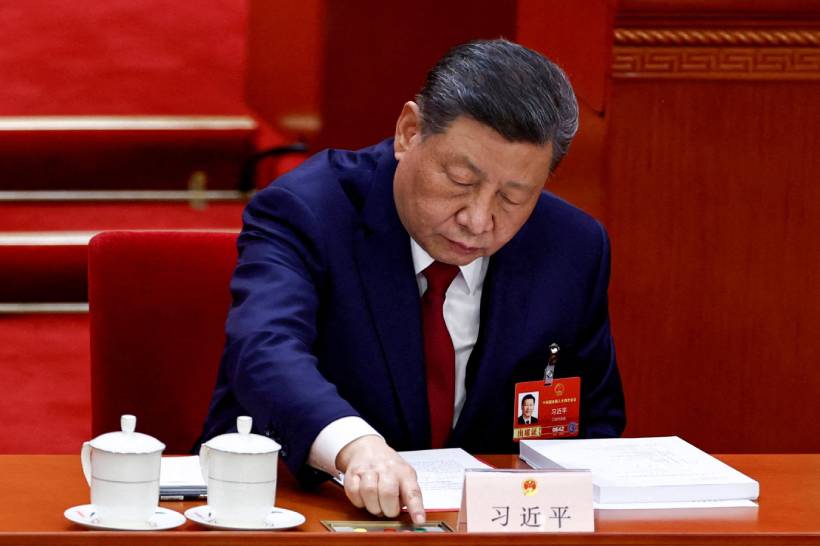
Observers must look past the formal diplomatic events of the recent meeting between Donald Trump and Xi Jinping in Beijing. The event forced global leaders to face a harsh reality. Washington and Beijing must manage a structural rivalry. Neither side will resolve the underlying conflicts. The nations met during an ongoing semiconductor dispute. They negotiated during the collapse of arms control treaties and deep-seated geopolitical tensions. The summit did not attempt to settle fundamental differences. The event served as a stage for a fragile ceasefire. Both superpowers understand the catastrophic risks of total confrontation. These nations draft rules for competitive coexistence. Neither side compromises on their respective core demands. The world requires this tactical pause. This pause should not be viewed as permanent peace. A cautious detente builds a temporary connection between the two economies. Unresolved tensions remain high beneath the surface.
Transactional Washington Versus Long-Term Beijing
A wide gap is evident between the ultimate goals of the two leaders. Washington pursued short-term wins through a transactional approach. The American delegation announced large trade deals like Boeing aircraft purchases. The administration sought to satisfy domestic political needs. Trump needed to reduce mounting economic pressure at home. Trump rushes to claim victory. This tactic projects weakness rather than strength. The transactional approach fails to yield permanent progress. The approach treats systemic geopolitical issues as simple business deals. Washington loses sight of structural realities by focusing on public relations. A quick fix produces a successful press conference. A superficial agreement fails to alter the trajectory of a determined global competitor.
Xi Jinping played a long-term game. He used the event to establish China as an equal counterpart to the United States. Beijing sent a clear message to the international community. China operates as a peer competitor rather than a rising power. The nation demands Western acceptance of a historical power transition. Beijing used the summit as a tool to buy time. Leaders deflected trade pressures and fortified domestic supply chains. Trump asserts personal diplomacy. Xi shapes the next decade of global power distribution. Washington relies on unpredictability. This reliance leverages regional dynamics. Unpredictable tactics fail to force a determined adversary into permanent submission.
Stay ahead of the geopolitical week.
MD Briefing delivers expert analysis across five global fronts — the Indo-Pacific, energy, geoeconomics, European security, and the Middle East — every Monday morning. Free.
Unresolved Core Disagreements
Major disagreements lie beneath the formal joint statements. The nations avoided core conflicts regarding Taiwan and weapons sales. The delegates ignored the fierce battle over critical technologies like advanced semiconductors. The summit stalls on these fundamental issues. Dialogue stops when strategic priorities clash. The United States resists Chinese technological expansion. Beijing extends the strategic stalemate to outlast the attention span of Washington. The fragile detente over Taiwan stabilises the immediate situation. The agreement lacks the structural depth required to prevent future conflicts.
Chinese nuclear expansion and American missile shield upgrades signal a new arms race. The summit achieved progress in novel crisis management mechanisms instead of traditional arms control. Leaders proposed dedicated communication lines to manage artificial intelligence decisions and mutual missile launch notifications. Acknowledging mutual vulnerability acts as a vital prerequisite to preventing catastrophic miscalculations. Acknowledging vulnerability no longer represents a concession. Establishing an artificial intelligence hotline prevents accidental nuclear launches. A broader framework mitigates the risk of a multi-party arms race. This policy shift restores partial strategic stability. Broad security agreements continue to fail.
Global Consequences of Managed Rivalry
The tactical pause in Beijing affects the entire world. The international community must take action during this ongoing stalemate. Nations must not wait for a comprehensive grand agreement. Europe must recognize the new reality. European leaders must stop expecting rescue from transatlantic partners. The European Union waits for Washington to fix the global order. Europe pays a heavy price for inaction. Chinese export shocks and European deindustrialization pose direct threats. The crisis threatens two-thirds of German manufacturing output. The urgent need for Europe to establish strategic autonomy is increasingly evident. Leaders must cut dependencies and protect industrial bases before conditions worsen. A passive European stance ignores severe security threats. The inaction exposes a lack of political will. The sanctions regime spreads from Moscow to Beijing. Europe faces severe diplomatic complications.
The developing world continues to recalibrate strategies. Nations in the Global South recognize the danger of joining rigid geopolitical blocs. These countries demand independence and a multipolar system. The changing security architecture in the Middle East alters traditional alliances. Policymakers debate whether American aid to Israel shifts the regional balance. Washington relies on military power without diplomatic support. This strategy struggles to deliver permanent results. The region emerges from recent conflicts. New regional rivalries become visible.
Regional powers increase diplomatic activity. Pakistan mediates between the United States and Iran to gain strategic influence. Turkey transforms into a primary role within the North Atlantic Treaty Organization. The Strait of Hormuz crisis forces countries to rethink energy security frameworks. The Philippines negotiates with China to secure domestic energy supplies. A tactical delay in broader regional wars pauses inevitable conflict. The delay fails to solve root causes.
Operating Within a Cold Peace
The Beijing summit defines a contradictory world order. Leaders define peace as the absence of active combat. Trump and Xi avoid immediate military conflict. Both leaders prepare military and economic resources for future confrontations. The fragile detente represents a temporary pause in a long war of attrition. The detente does not end their rivalry.
The previous global order fails across multiple regions. The new geopolitical structure remains unstable. Diplomacy no longer solves international problems. Diplomatic engagement functions as a strict conflict deterrent. The international community must abandon hopes for a return to previous norms. Global actors must prepare to survive this managed competition. The two largest global powers manage their rivalry without resolving core disputes. Other nations must adapt to the consequences. Stability requires continuous effort rather than a final agreement. Global conditions demand high-level strategic planning.