


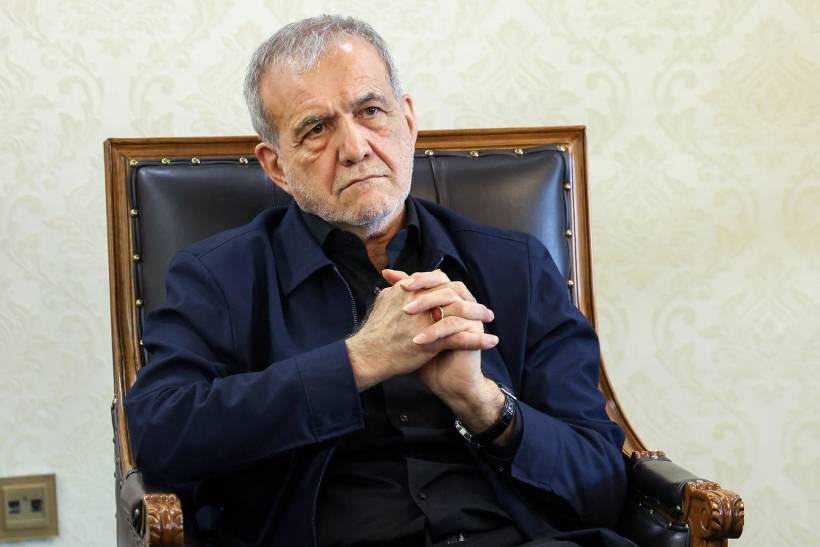
Iranian President Masoud Pezeshkian has emphasized the importance of pursuing diplomatic solutions with the United States, even as mutual distrust continues to dominate relations. His remarks come at a critical moment, with a two-week ceasefire set to expire on Wednesday and tensions over the Strait of Hormuz remaining high.
Current Situation
Iranian officials have indicated internal disagreement over whether to proceed with further negotiations, citing what they describe as shifting U.S. positions and “excessive demands.” At the same time, Washington is expected to send representatives to Islamabad for discussions, although Tehran has not confirmed participation.
Both sides continue to accuse each other of violating the ceasefire, particularly following recent maritime incidents involving the Strait of Hormuz and the seizure of vessels linked to Iran.
Diplomatic Position
President Pezeshkian stated that diplomacy remains the preferred path to reduce tensions, but stressed that distrust of the United States is an unavoidable reality in Iran’s approach. Iranian state media echoed concerns that Washington’s current posture reflects a return to coercive strategies rather than genuine negotiation.
Stay ahead of the geopolitical week.
MD Briefing delivers expert analysis across five global fronts — the Indo-Pacific, energy, geoeconomics, European security, and the Middle East — every Monday morning. Free.
Maritime Tensions
The dispute over the Strait of Hormuz remains central to the broader standoff. Iran has tightened control over maritime traffic in response to U.S. actions, while the United States continues its blockade of Iranian ports. Recent naval incidents, including the seizure of a vessel attempting to breach the blockade, have further escalated tensions.
Outlook
With the ceasefire nearing expiration and negotiations uncertain, both diplomatic engagement and military posturing are occurring simultaneously. The coming days are expected to determine whether talks continue or the situation moves toward renewed confrontation.
With information from Reuters.
