


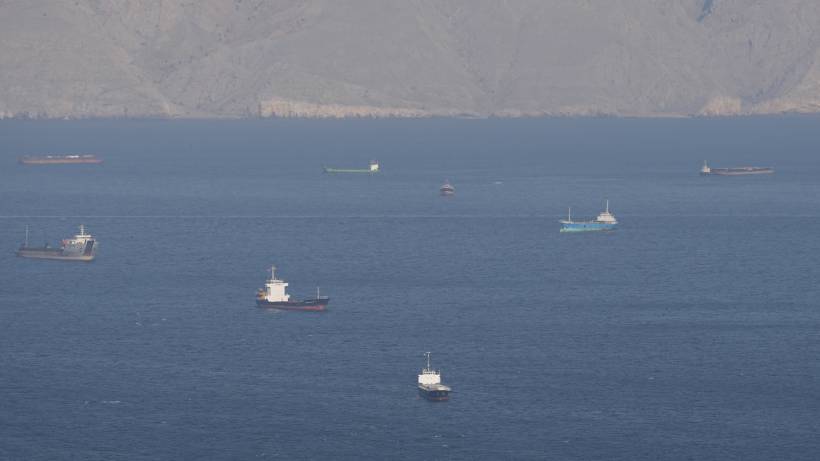
Even if tensions in the Strait of Hormuz ease and shipping lanes are formally reopened, the global oil system will not return to normal quickly. The strait is the world’s most important energy chokepoint, carrying around a fifth of global oil and gas trade, and months of disruption have already reshaped shipping patterns, production systems, and market confidence.
What is becoming increasingly clear is that reopening the waterway is the easy part. The real challenge lies in restoring the complex machinery of global energy flows that depend on it.
The Strait Versus the System
While political agreements or ceasefire arrangements can reopen the Strait of Hormuz on paper almost immediately, that does not translate into instant recovery. Shipping companies remain cautious, insurance premiums stay elevated, and tanker routes have been disrupted for weeks. Even after hostilities pause, many operators will be reluctant to return until security conditions feel stable over a sustained period.
As a result, the strait can technically be open while still functioning far below normal capacity.
Stay ahead of the geopolitical week.
MD Briefing delivers expert analysis across five global fronts — the Indo-Pacific, energy, geoeconomics, European security, and the Middle East — every Monday morning. Free.
Slow Return of Maritime Traffic
The first stage of recovery would involve clearing the backlog of vessels already trapped inside the Gulf. Loaded tankers would begin leaving first, mainly heading toward Asian markets, followed by empty ships gradually returning to reload at major terminals in Saudi Arabia, Iraq, and the United Arab Emirates.
However, this process is inherently slow. Tanker voyages take weeks at a time, global fleets have been redistributed during the crisis, and shipping schedules have been severely disrupted. Even under stable conditions, rebalancing maritime traffic would likely take two to three months before it resembles anything close to normal operations.
Restarting Production Is Even Harder
Oil flows depend not just on ships but on the ability of producers to restart and stabilize output. During the conflict, many fields, refineries, and LNG facilities were shut down or scaled back. Restarting them requires more than simply turning systems back on. Workers must return, supply chains must be restored, and storage capacity must be carefully managed.
Some fields can resume production within weeks, especially those with strong reservoir pressure and minimal damage. Others will take much longer due to technical constraints, infrastructure strain, or power limitations. A portion of production may take months to recover, while some older or heavily affected fields may never return to their previous levels.
Structural Damage and Long-Term Friction
Beyond immediate shutdowns, the conflict has created deeper structural problems. Key LNG hubs and energy facilities have suffered damage that could take years to fully repair. Insurance markets remain uncertain, financing is more expensive, and trust in the stability of the region has been significantly weakened.
This means that even when physical flows resume, the system will not function with its previous efficiency. Energy markets will continue to operate under a layer of caution and disruption.
Analysis
The key misunderstanding in global discussions is the assumption that reopening the Strait of Hormuz automatically restores normal oil supply. In reality, the strait is only one part of a much larger system. Shipping logistics, production capacity, infrastructure integrity, and financial confidence all need to recover together.
Opening the strait is therefore a political step. Restoring oil flows is an industrial and economic process that unfolds slowly, unevenly, and with significant friction. Even in the best case scenario where peace holds and no new escalation occurs, partial recovery would take months, while full normalization could stretch into years.
With information from Reuters.
