


Unprecedented Disruption in Global Energy Supply
The head of the International Energy Agency, Fatih Birol, has framed the current oil and gas crisis as more severe than the combined shocks of 1973 oil crisis, 1979 oil crisis, and 2002 oil market disruption. This comparison is analytically significant because those crises individually reshaped global energy markets. Their cumulative impact being surpassed suggests a structural rupture rather than a cyclical disruption.
Strait of Hormuz as a Systemic Chokepoint
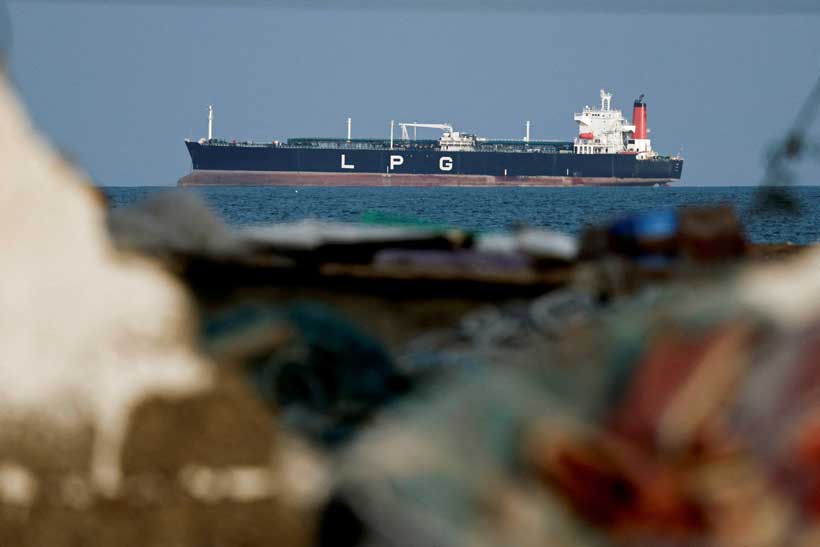
At the center of the crisis is the Strait of Hormuz, a maritime corridor through which roughly one fifth of global oil and gas flows. Iran near total blockade transforms this geographic bottleneck into a strategic weapon. Unlike past crises driven by production cuts or political instability, this disruption directly constrains physical transit, making it harder to offset through alternative supply routes.
Strategic Reserve Releases and Their Limits
IEA coordinated releases of strategic reserves are designed to stabilize markets and prevent panic. However, such reserves function as short term buffers rather than long term solutions. The continued drawdown indicates that the crisis is not expected to resolve quickly. If the blockade persists, reserve depletion could reduce future crisis response capacity and weaken market confidence.
Asymmetric Global Impact
While advanced economies in Europe, Japan, and Australia will experience economic strain, the most severe consequences are expected in developing countries. These states are more vulnerable due to limited fiscal space, higher dependence on energy imports, and weaker currency stability. Rising fuel costs translate directly into increased food prices and broader inflation, amplifying socioeconomic instability.
Stay ahead of the geopolitical week.
MD Briefing delivers expert analysis across five global fronts — the Indo-Pacific, energy, geoeconomics, European security, and the Middle East — every Monday morning. Free.
Inflation Transmission Mechanisms
Energy price shocks transmit across the global economy through multiple channels. Higher oil and gas prices increase transportation and production costs, which in turn raise the price of goods and services. In developing economies, where food supply chains are particularly sensitive to fuel costs, this creates a compounded inflationary effect. The result is not just economic slowdown but potential political unrest.
Structural vs Cyclical Crisis Dynamics
What distinguishes this crisis analytically is its structural nature. Previous shocks were severe but time bound and regionally contained. The current disruption combines geopolitical conflict, physical supply constraints, and global economic fragility. This convergence creates a feedback loop where rising prices exacerbate political tensions, which in turn prolong supply disruptions.
Analysis
The IEA warning signals a transition from energy market volatility to systemic crisis. Iran use of the Strait of Hormuz as leverage introduces a persistent constraint that cannot be easily bypassed. Strategic reserves may delay the full impact but cannot neutralize it.
The crisis exposes a fundamental vulnerability in the global energy system its reliance on concentrated transit routes. In the absence of rapid diplomatic resolution or alternative supply mechanisms, the world is likely entering a prolonged period of high energy prices, inflationary pressure, and uneven economic stress.
The most critical implication is distributive rather than purely economic. The burden of adjustment will fall disproportionately on weaker economies, increasing the risk of global inequality and instability.
