


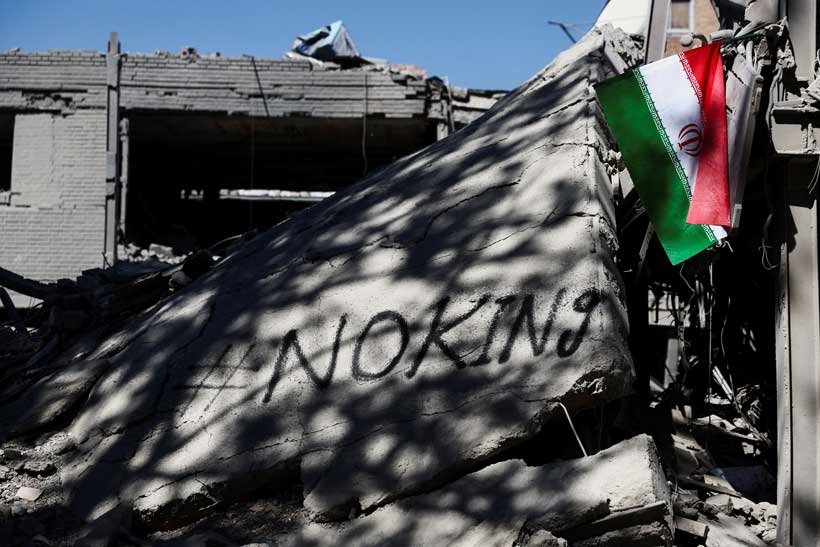
A War at the Brink of Escalation
The conflict has entered a decisive and volatile phase as Iran refuses to comply with a ceasefire deadline set by Donald Trump. Instead of de-escalation, both sides have intensified military operations. Israeli airstrikes on Iranian infrastructure and continued missile exchanges signal that neither side is prepared to step back under pressure. The rhetoric from Washington has escalated to threats of total infrastructural destruction, raising the stakes from conventional warfare to potential strategic devastation.
Iran Strategic Defiance and Negotiation Posture
Iran response reflects a calculated dual strategy of resistance and conditional diplomacy. By rejecting the immediate ceasefire proposal while submitting a ten point framework, Tehran is attempting to reshape the negotiation terms rather than outright dismiss diplomacy. Its demands including sanctions relief, regional de-escalation, and reconstruction indicate a broader objective beyond a temporary halt in fighting. This positions Iran not as a reactive actor but as one seeking structural concessions before compliance.
Pakistan Emerging Role as Mediator
Pakistan involvement introduces an important diplomatic variable. The reference to talks reaching a sensitive stage suggests that backchannel negotiations may be more active than public positions indicate. Pakistan ability to maintain relations with both the United States and Iran allows it to function as a potential intermediary. However, its influence depends on whether it can bridge fundamentally incompatible demands between immediate ceasefire enforcement and long term geopolitical restructuring.
Escalation Risks and Civilian Infrastructure Targeting
The explicit threats to destroy power plants, bridges, and essential infrastructure mark a dangerous shift toward total war logic. Such actions would significantly expand the humanitarian and legal dimensions of the conflict. Iran framing of these threats as war crimes is not merely rhetorical but a strategic attempt to delegitimize US actions in international forums. Meanwhile, calls within Iran for civilian mobilization around infrastructure reflect both symbolic resistance and an effort to complicate targeting decisions.
Stay ahead of the geopolitical week.
MD Briefing delivers expert analysis across five global fronts — the Indo-Pacific, energy, geoeconomics, European security, and the Middle East — every Monday morning. Free.
Strait of Hormuz as Strategic Leverage
Iran effective closure of the Strait of Hormuz remains its most powerful bargaining tool. Controlling a route that handles a significant portion of global energy supply gives Tehran disproportionate influence over global markets. The surge in oil prices reflects not only supply disruption but also market anticipation of prolonged instability. By refusing to reopen the strait, Iran is signaling that economic pressure will be central to its war strategy.
Regional Spillover and Security Fragility
The interception of missiles by Saudi Arabia and security alerts across Gulf states demonstrate how the conflict is no longer contained. The risk of regional spillover is increasing as multiple actors become indirectly involved. This creates a complex security environment where miscalculation by any party could trigger broader escalation involving additional states.
Domestic and Political Pressures on Washington
The conflict is also generating internal pressures for the US administration. Military losses and operational setbacks challenge initial assumptions of a quick and decisive campaign. The downing of a US aircraft and the need for a rescue operation highlight vulnerabilities that undermine the perception of control. As the deadline approaches, the administration faces a narrowing set of options between escalation and reputational costs.
Analysis
The current situation reflects a classic coercive diplomacy failure where threats have not produced compliance but instead hardened resistance. Iran is leveraging both military and economic tools while keeping diplomatic channels conditionally open. The United States appears to be escalating rhetorically to restore deterrence credibility, but this increases the risk of irreversible actions.
The central analytical tension lies between short term coercion and long term strategic outcomes. Immediate escalation may achieve tactical disruption but risks strengthening Iran bargaining position by internationalizing the conflict and raising global economic costs. Conversely, Iran strategy of controlled defiance seeks to outlast pressure while extracting concessions.
Unless mediated diplomacy gains traction quickly, the trajectory points toward intensified conflict with expanding regional and global consequences.
with information from Reuters
