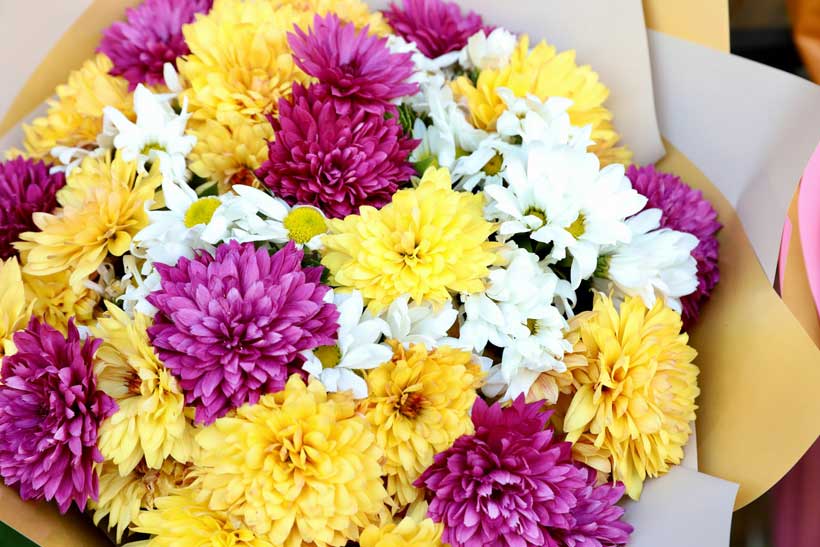
Sending flowers overseas can feel complicated due to time zones, distances, freshness concerns, and customs rules. In 2026, however, reliable online services make it straightforward to deliver beautiful blooms to Australia from the UK. Leading providers use networks of local Australian florists to ensure arrangements arrive fresh and on time, often the same day. MyGlobalFlowers is one such trusted platform that specialises in flowers to Australia and connects customers in the UK with vetted florists across the country. Orders are transmitted electronically, a local florist sources fresh stems, assembles the bouquet, and delivers it by hand. This approach complies with Australia’s strict biosecurity regulations while delivering high-quality results.
This guide explains the process step by step, covers key facts, seasonal options, costs, etiquette, and FAQs based on current practices from major providers and official sources.
Why Send Flowers to Australia?
Australia’s culture embraces flowers for celebrations, apologies, congratulations, and everyday gestures. Birthdays, anniversaries, new babies, housewarmings, and “just because” occasions frequently feature fresh blooms. The country has one of the world’s most diverse floras, with over 24,000 native plant species, many unique to the continent. Arrangements often include striking natives like banksias, waratahs, kangaroo paws, and golden wattle alongside roses, lilies, and other classics.
Flowers bridge long distances effectively. A hand-delivered bouquet conveys thoughtfulness when travel isn’t possible. Recipients often value flowers more than other gifts due to their emotional impact and visual appeal. In a world still appreciating tangible gestures post-pandemic, fresh blooms brighten homes, offices, and hospital rooms while creating lasting memories.
Stay ahead of the geopolitical week.
MD Briefing delivers expert analysis across five global fronts — the Indo-Pacific, energy, geoeconomics, European security, and the Middle East — every Monday morning. Free.
How to Send Flowers to Australia from the UK – Step-by-Step Guide
International flower delivery to Australia relies on local fulfillment rather than physical shipping from the UK. Providers forward order details to a nearby Australian florist, who prepares and delivers using fresh local stock.
The process typically takes 5–7 minutes:
- Select a bouquet Browse collections featuring roses, mixed seasonal arrangements, lilies, native-inspired designs, or letterbox options. Photos show real examples from partner florists.
- Provide recipient information Enter the full name, street address (with suburb and postcode), and a mobile phone number. Florists use the number to confirm timing and handle access issues like apartment entry systems. PO boxes are unsuitable for fresh flowers.
- Choose delivery date and timing Same-day delivery is available in major cities if ordered by early afternoon UK time (accounting for the ~10-hour difference). Next-day is widely offered, and future dates work for planned events.
- Personalise the order Add a card message, upgrade to vases, or include extras like chocolates, teddy bears, balloons, or wine. Humorous or warm notes suit Australian preferences.
- Complete payment Pay via card or Apple Pay. Prices include local delivery, with instant confirmation and tracking.
The system routes orders to the closest suitable florist, ensuring stems are cut fresh that day.
Why Local Florist Networks Are Standard
Australia’s biosecurity rules, managed by the Department of Agriculture, Fisheries and Forestry (DAFF), tightly control imported plant material to prevent pests and diseases. Recent reviews (including 2025–2026 discussions on devitalisation requirements) focus on imported cut flowers, but personal or commercial mailed deliveries face inspections, certifications, and potential treatments.
Major services avoid these issues by using local Australian florists exclusively. Flowers are sourced from domestic markets or growers, assembled on delivery day, and handed over directly. Benefits include:
- Full biosecurity compliance without border delays.
- Extended vase life (typically 7–14 days).
- Accurate timing based on local knowledge of traffic and weather.
- Nationwide coverage, including regional and remote areas.
This method consistently receives strong feedback for reliability and quality.
Interesting Facts About Flowers in Australia
Australia’s flora is exceptionally diverse, with many species endemic. Golden wattle (Acacia pycnantha), the national floral emblem, blooms bright yellow and symbolises resilience; it’s celebrated on Wattle Day (1 September). The waratah (Telopea speciosissima), New South Wales’ emblem, features bold red blooms representing courage. Kangaroo paw (Anigozanthos), Western Australia’s symbol, has fuzzy, vibrant flowers adapted to attract birds.
Indigenous Australians traditionally used many plants for food, medicine, tools, and shelter. Over 1,200 Acacia species and plants like Melaleuca (tea trees) played key roles. Fire management practices shaped ecosystems, promoting species like eucalypts.
Australians often send flowers for non-romantic reasons, with spikes in same-day requests during Valentine’s Day, Mother’s Day, and major events.
Seasonal Flowers Guide: Month-by-Month in Australia
Selecting seasonal blooms supports local growers and maximises freshness. Here’s a 2026 overview based on typical Australian patterns:
- January (Summer): Delphiniums (purple/blue), cornflowers, pink alstroemeria, gladiolus, larkspur, carnations. Natives like kangaroo paws and grevilleas perform well in heat.
- February (Summer): Hydrangeas, gerberas, sunflowers, zinnias, proteas. Vibrant, bold colours dominate.
- March (Autumn): Tulips, ranunculus, anemones, chrysanthemums, roses, dahlias, lisianthus.
- April (Autumn): Peonies (garden-style), banksias, hakeas.
- May (Autumn): Stocks, lisianthus, waxflowers, alstroemeria. Tulips peak around Mother’s Day.
- June (Winter): Orchids (cymbidium), lilies, freesias.
- July (Winter): Snapdragons, sweet peas, paper daisies.
- August (Winter/Spring transition): Early tulips, ranunculus.
- September (Spring): Peonies, sweet peas, freesias, tulips, native paper daisies.
- October (Spring): Roses at peak, delphiniums, gladiolus.
- November (Spring): Carnations, larkspur, anemones.
- December (Summer): Sunflowers, zinnias, hydrangeas.
Trends in 2026 favour rich palettes (deep reds, burgundies, hot pinks) and textured natives for earthy appeal.
Cost of Sending Flowers to Australia from the UK in 2026
Prices depend on bouquet size, style, and extras, with delivery included:
- Basic cheerful arrangements start from around £43–£65 (similar to MyGlobalFlowers entry-level and Eflorist from £52).
- Mid-range (mixed seasonal, roses) typically £70–£110.
- Premium or large designs (with natives or vases) £120–£200+.
Same-day options may add a small fee. No customs duties apply since flowers are sourced locally.
Flower Delivery Etiquette and Cultural Tips for Australia
Australians favour genuine, uncomplicated gestures:
- Timing: Avoid very early or late deliveries unless specified. Confirm office presence for work addresses.
- Messages: Warm, personal, or lightly humorous notes suit most recipients.
- Colours: Red for love, pink for appreciation, yellow for friendship/cheer. No major taboos.
- Surprises: Ideal for celebrations; a heads-up text helps for sensitive occasions.
- Sympathy: Use subdued whites, lilies, or roses; pre-made wreaths/sprays are common.
Following these guidelines ensures the gift lands well.
Advantages of Leading Services
Top providers offer:
- Vetted local florists with strong ratings.
- Same-day delivery in major cities (often within hours).
- Transparent pricing starting from £43.
- Freshness guarantees and replacements if needed.
- Tracking and photo confirmation where available.
- Options for subscriptions or regular gifting.
Comparing Delivery Methods
| Method | Freshness | Speed | Price Range | Reliability | Notes |
| Local florist network | Excellent | Same/next day | £43–£200 | Very high | Standard for major services |
| Direct import/shipping | Variable | Restricted/delays | N/A | Lower | Complicated by biosecurity rules |
Local networks clearly outperform for quality and compliance.
Popular Bouquets and Occasions
Common choices include mixed premium stems for anniversaries, native-inspired designs, seasonal harvests, red roses for romance, soft pastels for new mums or birthdays, and bright cheerful mixes.
Collections often target:
- Happy Birthday
- Just Because
- I’m Sorry
- Congratulations
- Happy Anniversary
- Thinking of You / Get Well
- New Baby / Housewarming
Australia Flower Delivery FAQs (2026 Edition)
Is same-day delivery possible from the UK?
Yes, in major cities if ordered before UK afternoon cut-off.
What happens if the recipient isn’t home?
Florists attempt neighbours, leave in a safe spot with a note, or re-deliver (often free).
Do you cover rural/remote areas?
Yes, though very remote spots may be next-day.
Are there customs fees?
No, local sourcing avoids import duties.
Can deliveries go to hotels or hospitals?
Yes, with department/room details. Cruise ships vary — check ahead.
What payment options are available?
Visa, Mastercard, Apple Pay, Google Pay.
How long do flowers last?
7–14+ days with care (fresh water, trimmed stems, cool location away from fruit/sun).
Is sustainability considered?
Many partners prioritise local, responsibly grown flowers and reduced plastic.
To send flowers to Australia, visit trusted sites like Interflora, Eflorist, or MyGlobalFlowers. Select a bouquet, add details, and let local florists handle the rest. With fresh quality, reliable timing, and competitive prices, it’s an easy way to brighten someone’s day Down Under in 2026.