Japanese lawmakers met to discuss concerns about the U. S. and Israel’s military actions in the Middle East, particularly regarding evacuation plans, energy supplies, and the legal justifications for U. S. involvement. A politician highlighted fears about how these actions might weaken defenses in Asia as resources are redirected from deterring China.
The meeting underscored urgent worries for nations like Japan and South Korea, where significant U. S. military bases counter threats from China and North Korea. Taiwan’s lawmaker Chen Kuan-ting expressed hopes for a quick resolution to the conflict but warned that ongoing instability could embolden Beijing to increase pressure on Taiwan.
U. S. President Trump has indicated that military operations in the Middle East could extend beyond the anticipated timeframe. He plans to meet Chinese President Xi Jinping in March, amid ongoing tensions about Taiwan, which China regards as a domestic issue. The Chinese foreign ministry reaffirmed its stance against any forceful disruptions to its sovereignty.
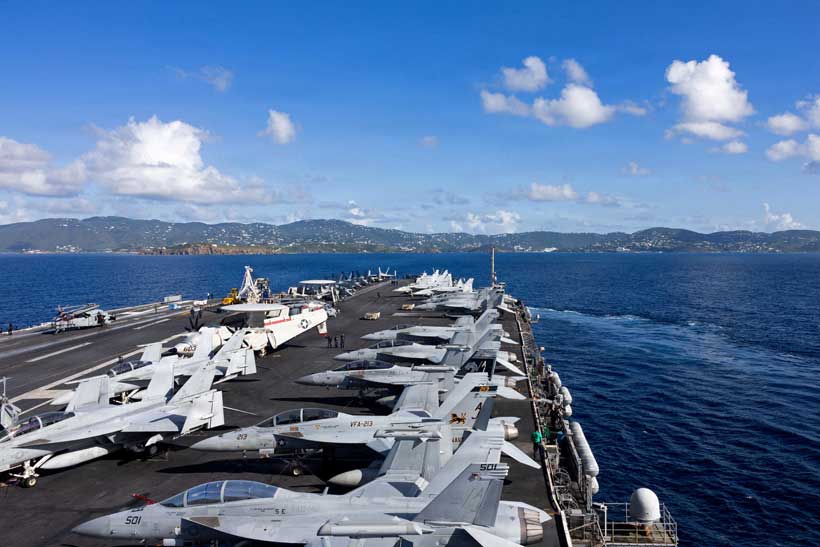
Japanese officials asked Washington for guarantees that U. S. military resources would remain in place. Reports indicate that 40% of U. S. Navy ships are currently in the Middle East, which stretches naval resources thin. The only carrier in Asia is under maintenance, raising concerns that prolonged conflict in Iran might weaken U. S. naval presence in the Indo-Pacific. This depletion is critical because it affects U. S. readiness to counter potential Chinese aggression regarding Taiwan.
U. S. munitions reserves are reportedly dwindling due to the call for increased military output, which could take years to ramp up. This raises alarms for the U. S., as maintaining munitions in the Indo-Pacific is essential for deterring Chinese ambitions over Taiwan. Japan is already facing delays in receiving missile orders from the U. S., further complicating its defense posture.
Just a few months ago, the U. S. released a security strategy emphasizing the Indo-Pacific as a central area of competition, particularly focused on deterring conflicts involving Taiwan. However, recent military actions by Trump seem to divert attention from this main focus. Some analysts argue that by acting against Venezuela and Iran, the U. S. undermines China’s alliances, benefiting America in a broader strategic context.
Despite these actions, there is concern that prolonged military engagement in the Middle East may weaken the U. S. position against China. The aim of a grand strategy to contain Iran while refocusing on China is questioned, especially whether sufficient resources would remain for the shift. Analysts note that China has historically taken advantage of U. S. distractions, such as during the Afghanistan war, and may exploit current U. S. preoccupations to bolster its own military initiatives.
Beijing is likely closely monitoring these developments, as past events illustrate its tendency to enhance military capabilities during periods of U. S. focus elsewhere.
With information from Reuters