


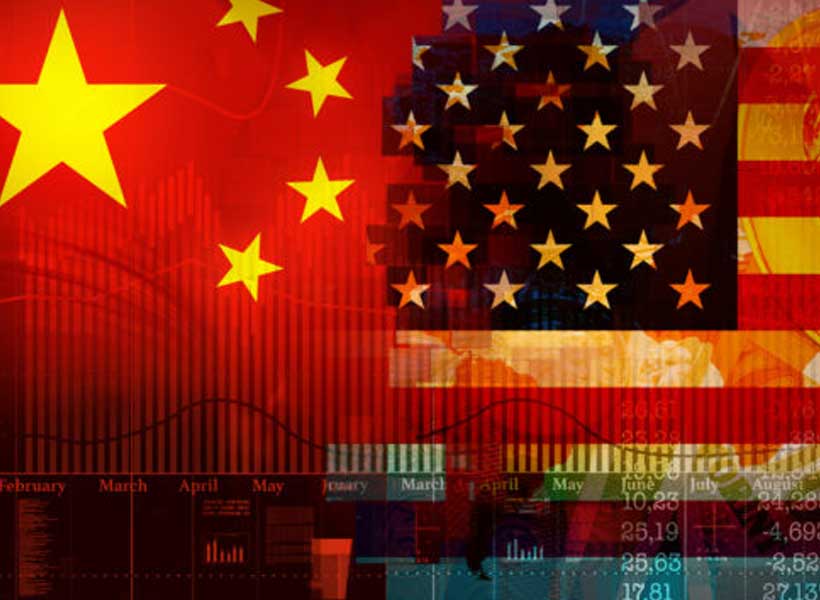
In April and May, China restricted exports of rare earth elements materials vital for products ranging from fighter jets to smartphones as U.S. negotiators pushed back against triple-digit tariffs. Both sides later reached a June deal to ease the flow of critical minerals, but renewed tariff threats this fall have raised fears of another standoff.
China controls about 90% of global rare earth processing, giving it immense leverage over supply chains crucial to U.S. defence and tech industries.
Why It Matters
A prolonged clampdown could disrupt global manufacturing, inflate costs, and deepen Western dependence on China. U.S. officials worry Beijing might target defence-related buyers despite assurances that “civilian-use” exports would continue.
“China’s ability to throttle rare earth exports is an exceptionally powerful tool,” said Dan Wang, China director at Eurasia Group.
Stay ahead of the geopolitical week.
MD Briefing delivers expert analysis across five global fronts — the Indo-Pacific, energy, geoeconomics, European security, and the Middle East — every Monday morning. Free.
U.S. President Donald Trump warned that China must not “play the rare earth game,” suggesting he might delay new tariffs if Beijing resumed large U.S. soybean purchases.
Beijing’s Commerce Ministry accused Washington of “deliberate misunderstanding” and defended the controls as standard global practice.
Analysts note exports to the U.S. fell nearly 29% in September, while shipments to Vietnam surged 57%.
What’s Next
China’s broader curbs are set to take effect just before the Nov. 10 expiry of the 90-day tariff truce. President Xi Jinping is expected to meet Trump later this month in South Korea, but economists warn that trade friction may become the new normal.
“The world has to adjust to China’s management style,” said Wang. “Western countries aren’t used to this kind of monopolistic control.”
With information from Reuters.
