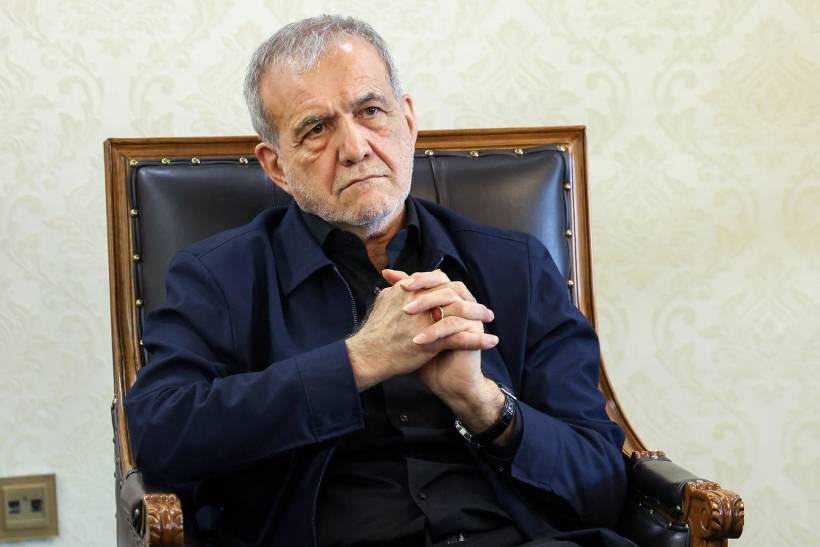
On Tuesday, Iran and the United States signaled the possibility of restarting negotiations to resolve their ongoing conflict, coinciding with the UN General Assembly in New York, which will be attended by both President Donald Trump and Iranian official Masoud Pezeshkian. Trump expressed willingness to meet with Pezeshkian. However, a senior Iranian figure indicated that no direct meeting was planned, though Iran’s delegation has the authority to negotiate.
The Iranian official mentioned that Iran could reopen the important Strait of Hormuz for Gulf shipping within a week if the US agrees to ease military pressure and lift its blockade on Iranian ports. He stated that Iran had communicated a new proposal to Washington through intermediaries. He emphasized that for diplomacy to progress, the US must make a formal statement about its desire to resolve the conflict and create a timeline for the negotiation process. The official believes the UN General Assembly presents a prime opportunity for renewed diplomatic efforts.
US Secretary of State Marco Rubio acknowledged the openness of the US to discuss matters with Iran, particularly if it might lead to positive outcomes. He noted that no in-person talks between the two nations have occurred since July when a temporary agreement fell apart. Rubio described Trump as a practical businessman who sees no harm in engaging in discussions, even recognizing the hierarchy in Iran’s leadership, specifically under Supreme Leader Ayatollah Mojtaba Khamenei, whom he labeled as a “radical Shia cleric.”
Iran’s Parliament Speaker, Mohammed Baqer Qalibaf, reiterated Iran’s firm stance against surrendering, asserting that Trump should realize he cannot impose his will on the Iranian people. In a related development, Trump is scheduled to meet with leaders from six Gulf Arab states, all of whom seek to ensure safe passage through the Strait of Hormuz but are cautious about increasing Iran’s influence.
This month has seen Saudi Arabia increasingly involved in the conflict, particularly with Houthi fighters allied with Iran advancing in Yemen and threatening Saudi oil exports. Oil prices showed some relief as Saudi Arabia resumed operations on its East-West Pipeline post-attacks blamed on Iranian proxies. The Houthis’ recent advances threaten Saudi positions and have led to missile strikes on Saudi territory. Despite requests from Saudi Crown Prince Mohammed bin Salman for US military action against the Houthis, the US has held back, with Rubio reaffirming US support for Saudi Arabia while recognizing the complexities of the situation.
Additionally, a proposal from Qatar seeks to establish a security framework involving Iran and Gulf states, which Iran is currently evaluating. Qatari Prime Minister Sheikh Mohammed highlighted the need for security guarantees and economic interdependence to foster lasting peace rather than cycles of conflict.
With information from Reuters