


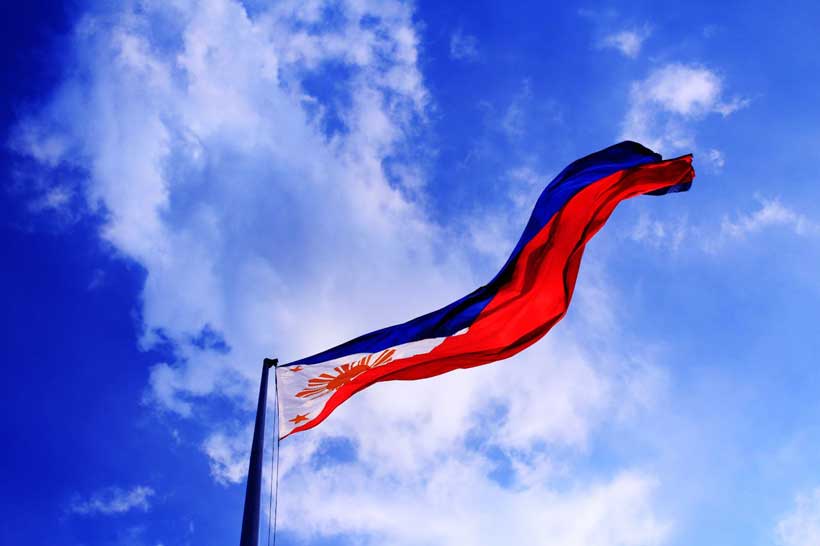
The European Union and the Philippines have reached an initial agreement on the main elements of a free trade deal, marking another step in Brussels’ effort to deepen economic ties with Southeast Asia.
EU Commissioner for Trade and Economic Security Maros Sefcovic said the key parameters had been approved at the political level and would now be translated into a formal legal text. The European Commission described the agreement as a substantial initial deal that could lead to a full trade agreement in the coming months.
The agreement comes as the EU seeks new markets for European goods and services and new investment opportunities in Asia. The bloc’s strategy has gained importance as US tariffs under President Donald Trump create additional pressure on European exporters.
Why the Philippines matters to the EU
The Philippines is part of a broader European effort to strengthen economic relations with Southeast Asia.
Stay ahead of the geopolitical week.
MD Briefing delivers expert analysis across five global fronts — the Indo-Pacific, energy, geoeconomics, European security, and the Middle East — every Monday morning. Free.
The EU has already reached trade agreements with Vietnam and Indonesia and is negotiating with Malaysia and Thailand. According to Sefcovic, negotiations with Thailand are the most advanced among the ongoing talks.
A trade agreement with the Philippines would give European businesses greater access to another major Southeast Asian market while strengthening the EU’s economic presence in a region that has become increasingly important to global trade and investment.
For Manila, closer access to the European market could also expand opportunities for Philippine exporters and attract additional European investment.
Tariffs would fall on most goods
The proposed agreement would eliminate more than 94% of tariffs on goods traded between the two sides.
European industrial exporters could benefit from improved access to the Philippine market for machinery, appliances and transport equipment. Agrifood exporters could also gain from lower barriers for products including meat, dairy and spirits.
The scale of the potential trade relationship is significant but remains below its broader potential. The European Commission said bilateral trade currently stands at about €17.6 billion in goods and €10.3 billion in services.
Reducing tariffs could allow companies on both sides to expand that trade, although the final economic impact will depend on the details of the agreement and its implementation.
Southeast Asia becomes more important
The Philippines deal forms part of a wider European strategy to diversify its economic relationships.
The EU has increasingly looked toward Southeast Asia as companies and governments seek alternatives to concentrated supply chains and new destinations for investment. The region offers access to growing consumer markets while also playing an important role in manufacturing and global trade.
The EU’s agreements with Vietnam and Indonesia, together with negotiations with Thailand and Malaysia, indicate that Brussels is pursuing a broader regional strategy rather than relying on individual bilateral relationships.
The approach also comes at a time when European businesses face uncertainty over access to the US market because of changes in American trade policy.
What comes next?
The agreement announced on Tuesday is not yet the final free trade deal. EU and Philippine officials still need to convert the political agreement into detailed legal language before the full agreement can be concluded.
That process will determine the precise commitments on tariffs, market access and other areas of economic cooperation.
For the EU, the Philippines agreement would add another element to its growing trade network in Southeast Asia. For Manila, it could provide greater access to one of the world’s largest markets while potentially attracting more European investment.
The broader significance is that the EU’s trade strategy is increasingly extending toward Asia at a time when traditional markets are becoming more uncertain.
If Brussels and Manila complete the agreement as planned, the deal could strengthen commercial ties between Europe and Southeast Asia and further establish the region as an important part of the EU’s effort to diversify its global economic relationships.
With information from Reuters.
