


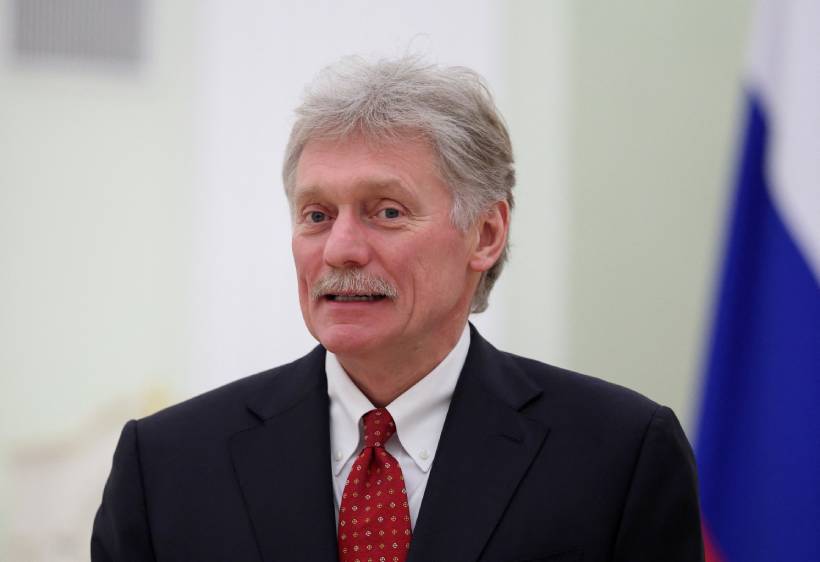
Russia has rejected the idea that it is pursuing formal de-dollarisation, with Kremlin spokesperson Dmitry Peskov saying Moscow remains open to any acceptable payment method. His comments came ahead of the BRICS leaders’ summit in New Delhi on September 12 and 13, where President Vladimir Putin is expected to meet Indian Prime Minister Narendra Modi.
Peskov said around 90% of transactions between Russia and BRICS countries are now conducted in national currencies, reflecting the bloc’s growing efforts to reduce dependence on the U.S. dollar without necessarily seeking to eliminate it entirely. He also accused some countries of using their national currencies as political instruments, without naming them.
Trade and economic cooperation are expected to dominate Putin’s discussions with Modi. Russia and India are also discussing cooperation in rare earth exploration, while the potential sale of Russia’s Su-57 stealth fighter to India remains on the bilateral agenda.
Why It Matters
Russia’s statement highlights the distinction between reducing dollar dependence and completely abandoning the dollar. Moscow appears to be presenting local currency settlements as a practical response to sanctions and payment difficulties rather than as an ideological campaign against the dollar.
Stay ahead of the geopolitical week.
MD Briefing delivers expert analysis across five global fronts — the Indo-Pacific, energy, geoeconomics, European security, and the Middle East — every Monday morning. Free.
The growing use of national currencies within BRICS could nevertheless gradually reduce the dollar’s role in trade between member states. For Russia, this is particularly important because Western sanctions have restricted its access to traditional financial channels.
The accumulated surplus of Indian rupees held by Russian companies has been another obstacle to bilateral trade in local currencies. Peskov said the issue is gradually being resolved, suggesting that Moscow and New Delhi are working to make their alternative payment arrangements more sustainable.
Key Stakeholders
Russia: Moscow wants to maintain trade despite Western financial restrictions while expanding economic and strategic cooperation with BRICS partners.
India: New Delhi is seeking to deepen economic and defence ties with Russia while maintaining its broader relationships with the United States and other Western partners.
BRICS: The expanded bloc provides Russia with a larger platform for promoting alternative financial and trade mechanisms.
United States: Washington remains the central stakeholder in the wider debate because greater use of national currencies could gradually weaken the dollar’s dominance in international transactions.
China and other BRICS members: Their willingness to conduct more trade in national currencies will determine how far the bloc can develop alternatives to dollar-based financial systems.
What’s Next
The BRICS summit is likely to focus on trade, finance, local currency settlements and economic cooperation, alongside security and geopolitical issues. Russia is likely to use the gathering to demonstrate that sanctions have not prevented it from maintaining substantial economic relationships with major emerging economies.
However, BRICS’ move toward national currencies does not necessarily mean the creation of a single alternative to the dollar. The more immediate trend is likely to be greater currency diversification in bilateral trade, particularly between Russia, India and China, while the dollar remains an important part of the global financial system.
With information from Reuters.
