


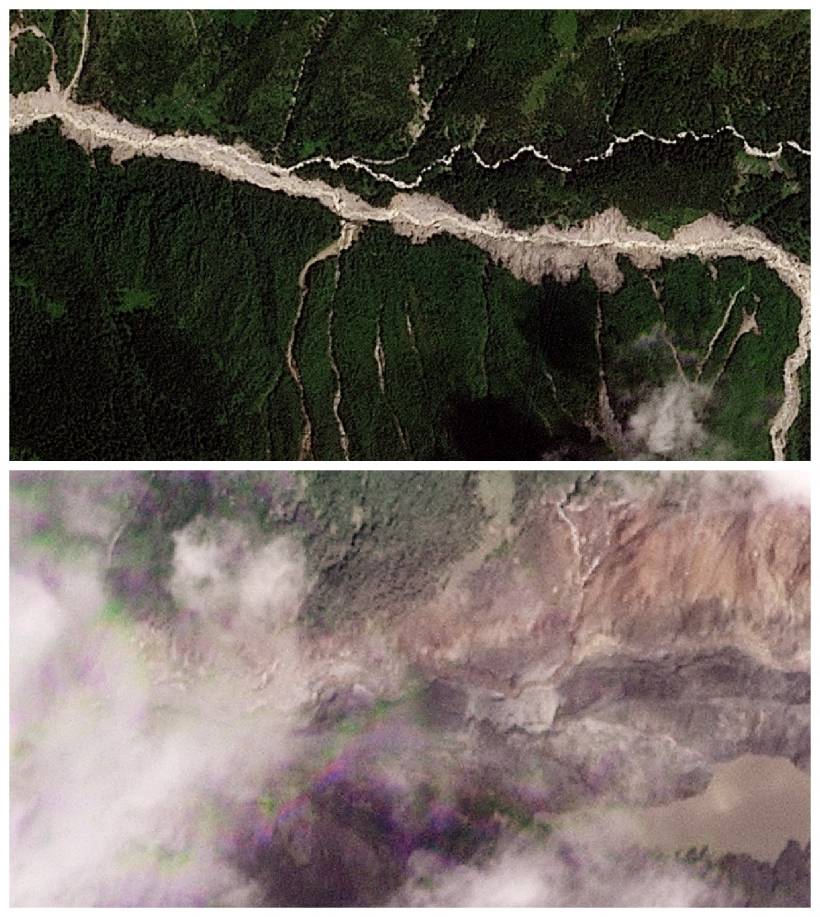
Nepal is facing a major reconstruction challenge after a catastrophic glacier collapse triggered floods, mud and landslides across areas near the Chinese border on August 26. Authorities estimate that around 20,000 homes will need to be rebuilt, while search and rescue operations continue for thousands of people still missing.
Thousands of Homes Destroyed
Preliminary government estimates indicate that around 7,500 houses were completely destroyed, either swept away or buried under debris. Many of the homes left standing are considered uninhabitable, bringing the estimated reconstruction requirement to roughly 20,000 houses.
Authorities say rebuilding in the same locations would expose communities to similar risks, meaning relocation to safer areas is likely to become a central part of the recovery.
Search for Missing Workers Continues
Rescue teams are continuing to search tunnels associated with hydropower projects where workers remain missing.
Stay ahead of the geopolitical week.
MD Briefing delivers expert analysis across five global fronts — the Indo-Pacific, energy, geoeconomics, European security, and the Middle East — every Monday morning. Free.
Experts and rescue personnel from India, South Korea and China are assisting Nepalese teams. South Korea has deployed drones, rescue dogs, acoustic equipment and thermal imaging technology to search for nine missing South Korean workers at the Upper Trishuli 1 hydropower project.
Authorities say the search will continue for as long as there is a possibility of finding survivors.
Returning Children to School
The disaster has also severely disrupted education and basic services.
At least 22,000 children urgently need clean drinking water, sanitation and hygiene support, according to UNICEF. Authorities are considering temporary schools in holding centres and other safe buildings until permanent schools can be rebuilt.
Many school buildings were destroyed, forcing communities to look for alternative locations.
Communities Have Lost Everything
The disaster has left many survivors without homes, personal documents and livelihoods.
For affected families, rebuilding is not simply about replacing houses. Communities have lost shops, possessions and sources of income, while many survivors remain displaced and uncertain about where they will eventually settle.
Nepal Plans Stronger Early Warning Systems
The government is also looking at measures to prevent future disasters.
Nepal plans to rebuild its landslide early warning system along the border with China, including seismic sensors, cameras and satellite communications. The initiative reflects growing concerns that mountainous communities remain highly exposed to landslides, glacier instability and extreme weather.
Analysis
Nepal’s challenge is shifting from emergency rescue to long term recovery and relocation. The scale of destruction means simply rebuilding what was lost would leave communities vulnerable if homes and infrastructure are reconstructed in the same high risk areas.
The disaster also highlights Nepal’s dependence on hydropower infrastructure and the vulnerability of workers and communities built around projects in difficult Himalayan terrain. International rescue assistance from China, India and South Korea demonstrates the disaster’s regional implications while providing Nepal with specialised technology it does not always have domestically.
The reconstruction phase will therefore require more than financial assistance. Nepal will need safer settlement planning, stronger early warning systems, resilient infrastructure and better disaster preparedness. The key question is whether rebuilding will restore the communities that existed before the disaster or create a safer model of development for the Himalayan regions most exposed to climate and geological risks.
With information from Reuters.
