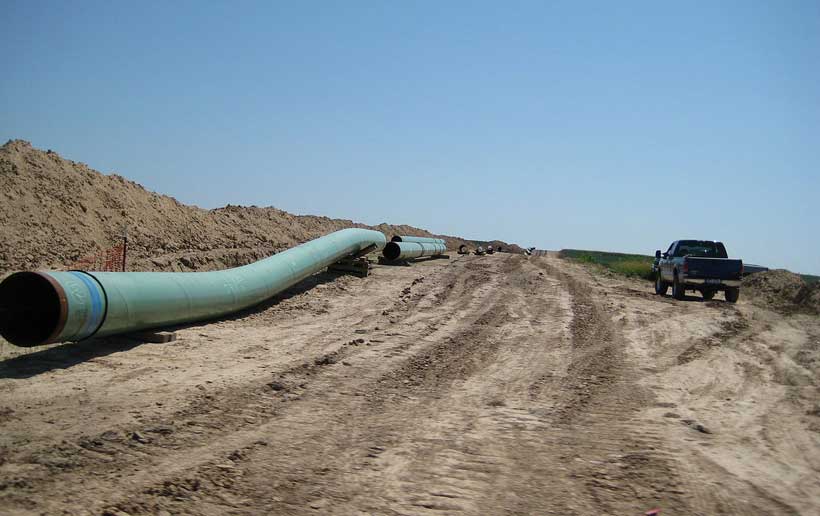
A social media post by U.S. President Donald Trump about the Keystone XL oil pipeline generated interest during U.S.-Canada trade talks. Keystone XL was a proposed crude pipeline, about 1,900 km (1,181 miles) long, intended to transport 830,000 barrels of oil daily from northern Alberta to Cushing, Oklahoma, and then to refineries on the Gulf Coast. The project faced opposition from various environmental and Indigenous groups and was initially rejected by President Obama. Trump revived it during his term, but construction was halted after President Biden revoked a key permit in 2021.
The company behind the project, TC Energy from Canada, incurred significant losses when the pipeline was canceled and shifted its focus to natural gas. Trump has expressed a desire to see the Keystone expansion completed. Canada, a major oil exporter, heavily supplies the U.S. with crude oil. Despite previously stating they moved on from Keystone, TC Energy proposed a new pipeline, Prairie Connector, which would carry 550,000 barrels per day from Alberta to Wyoming, using some existing Keystone XL infrastructure.
They plan to decide on Prairie Connector’s progress in 2027, contingent on ensuring the stability of the necessary U.S. presidential permit. The pipeline’s revival was discussed during trade talks between Trump and Canadian Prime Minister Mark Carney, where it was proposed as a potential area of collaboration.
With information from Reuters