


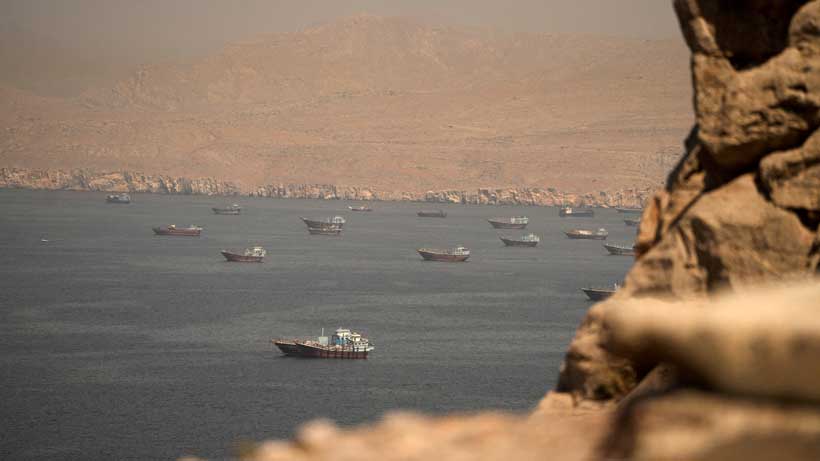
Shipping traffic through the Strait of Hormuz fell to its lowest level in a week on Tuesday as vessel operators continued to avoid the strategically vital waterway amid ongoing hostilities in the Middle East.
Kpler data showed that only eight vessels were tracked in the strait on Tuesday, below the 10-day average of around 12 and the lowest daily total since August 5. Of those vessels, only one, a coal carrier, had exited the strait, while the remaining ships were still making their way through.Seven vessels entered the waterway, all using the Iranian route, highlighting the limited movement through the strait as uncertainty over its security continues to weigh on shipping activity.
Separate data from LSEG recorded 11 vessel transits on Tuesday, down from 14 the previous day, also pointing to a slowdown in traffic through the crucial maritime passage.
The decline comes as the United States and Yemen’s Iran-aligned Houthis reported separate attacks, while prospects for an end to the Iran war appeared to weaken. Tehran has said the Strait of Hormuz will remain closed unless Washington accepts its conditions.
Stay ahead of the geopolitical week.
MD Briefing delivers expert analysis across five global fronts — the Indo-Pacific, energy, geoeconomics, European security, and the Middle East — every Monday morning. Free.
Hormuz Traffic Plummets
The scale of the disruption is stark compared with normal shipping activity. Around 130 to 140 vessels typically passed through the Strait of Hormuz before Iran closed the waterway following the start of U.S.-Israeli attacks on February 28.
The sharp reduction in traffic underscores the growing risks facing international shipping and energy markets as vessels avoid one of the world’s most important maritime chokepoints.
The strait is particularly important for global energy supplies, meaning prolonged restrictions could increase pressure on oil markets and raise transportation and insurance costs for vessels operating in the region.
Red Sea Traffic Holds Up
Shipping activity through the Bab al-Mandab Strait at the southern end of the Red Sea showed a different trend.
Kpler data recorded 30 vessels crossing the waterway on Tuesday, above its 10-day average of 25.
The contrasting figures suggest that while some shipping activity continues through alternative routes, the Strait of Hormuz remains heavily affected by the ongoing hostilities and uncertainty surrounding its reopening.
With information from Reuters.
