


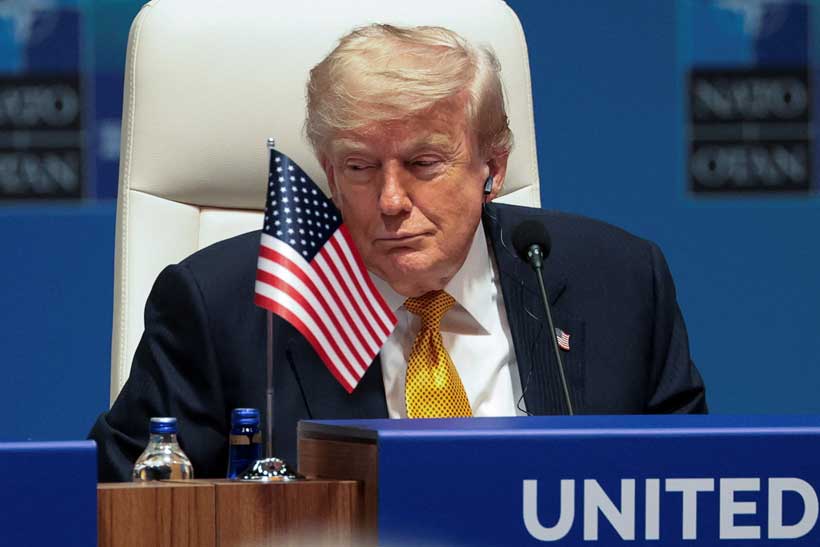
U.S. President Donald Trump is set to host Israeli Prime Minister Benjamin Netanyahu and Ukrainian President Volodymyr Zelenskiy in Washington on Tuesday, as the wars in Iran and Ukraine enter critical phases that could reshape U.S. foreign policy and regional security.
The two leaders will attend a memorial service for Senator Lindsey Graham, one of Trump’s closest Republican allies and a longstanding advocate of strong U.S. support for both Israel and Ukraine. Their separate meetings with Trump, however, underscore two very different diplomatic relationships.
Trump’s ties with Zelenskiy have improved in recent months as Ukrainian forces have slowed Russian advances and expanded strikes against strategic targets inside Russia. In contrast, his relationship with Netanyahu has become increasingly strained amid disagreements over the Iran conflict and growing frustration within the White House over Israel’s broader regional strategy.
Ukraine Seeks Air Defense and Strategic Support
Arriving in Washington, Zelenskiy said strengthening Ukraine’s air defense capabilities and expanding strategic cooperation with the United States would be the primary focus of his meetings.
Stay ahead of the geopolitical week.
MD Briefing delivers expert analysis across five global fronts — the Indo-Pacific, energy, geoeconomics, European security, and the Middle East — every Monday morning. Free.
“Peace needs to be brought closer,” Zelenskiy wrote on X.
Ukraine is expected to press Washington for additional Patriot missile interceptors, which Kyiv considers essential to counter Russia’s growing missile campaign. Ukrainian officials also hope to finalize a drone cooperation agreement and advance plans discussed at the recent NATO summit that would allow Ukraine to produce Patriot interceptors under license.
A Ukrainian official said securing approval to purchase additional Patriot missiles remains Kyiv’s highest priority as Russian missile and drone attacks continue.
The leaders are also expected to discuss prospects for renewed peace negotiations with Russia after recent contacts between Ukrainian officials and senior U.S. envoys Steve Witkoff and Jared Kushner.
Following his White House meeting, Zelenskiy is scheduled to address all 100 members of the U.S. Senate, seeking to reinforce bipartisan support for continued military assistance.
His visit comes as the Pentagon informed Congress that it will delay spending $400 million in previously approved military aid until fiscal year 2029, drawing criticism from Democrats and several Republican lawmakers who argue Ukraine urgently needs additional weapons.
Netanyahu Looks to Strengthen Political Ties
Netanyahu arrives in Washington facing mounting political pressure at home and increasing tensions with the Trump administration over the Iran conflict.
Although Trump recently praised the Israeli leader, calling him “a wartime prime minister” and saying, “Bibi’s been great,” relations between the two have experienced significant strains.
A phone call in June reportedly became heated after Trump expressed frustration over Israeli military actions that threatened wider regional escalation. The disagreement highlighted differences over how aggressively to confront Iran following the collapse of the recent ceasefire.
Israeli officials say Netanyahu hopes his meeting with Trump will reinforce their traditionally close relationship ahead of Israel’s October election, where public opinion polls show growing political competition.
Before departing for Washington, Netanyahu said discussions would primarily focus on Iran.
“In these complex times, you need to act with both great determination and great wisdom,” he said.
“Our goal is to protect our security and expand the circle of peace around us.”
According to White House officials, discussions will also cover Lebanon, regional security, and expanding the Abraham Accords.
Trump continues to seek Saudi Arabia’s participation in the normalization agreements, although Riyadh has maintained that any formal recognition of Israel depends on meaningful progress toward Palestinian statehood.
Two Wars Shape Trump’s Foreign Policy Agenda
The meetings take place as both major conflicts remain unresolved.
Trump has temporarily paused additional U.S. airstrikes against Iran in an effort to revive diplomacy following the collapse of the latest ceasefire, while Ukraine continues to face sustained Russian missile attacks despite recent battlefield gains.
With both wars demanding continued American military, diplomatic and financial involvement, the White House is attempting to balance support for allies while avoiding deeper direct U.S. military engagement.
Analysis
Tuesday’s meetings highlight the increasingly complex balancing act facing the Trump administration as simultaneous crises in Europe and the Middle East compete for American attention and resources. While Ukraine remains focused on securing immediate military assistance to sustain battlefield momentum, Israel is seeking continued political backing as regional tensions with Iran remain unresolved.
The contrasting dynamics also reflect shifting personal relationships. Trump appears increasingly aligned with Zelenskiy’s security requests as Ukraine demonstrates greater military resilience, while his relationship with Netanyahu has become more transactional amid disagreements over managing the Iran conflict. This marks a notable evolution from Trump’s traditionally strong support for the Israeli government.
For Washington, both conflicts carry strategic consequences that extend beyond their respective regions. Continued instability in Ukraine shapes NATO’s long-term security posture, while the Iran conflict directly affects energy markets, maritime security and broader Middle East stability. Decisions made during these meetings could therefore influence not only bilateral relations but also the wider geopolitical balance.
Ultimately, the simultaneous visits illustrate that U.S. foreign policy is increasingly being tested on multiple fronts. Whether through additional military support, renewed diplomacy or efforts to prevent further regional escalation, the outcomes of these discussions will likely shape American engagement in two of the world’s most consequential conflicts for the remainder of the year.
With information from Reuters.
