


A confrontation between Chinese coast guard personnel and Philippine navy sailors at the disputed Second Thomas Shoal has heightened tensions in the South China Sea, with Manila accusing Beijing of using force against its personnel during a resupply-related operation.
The incident comes as Southeast Asian foreign ministers gather in Manila this week, where maritime security and China’s growing assertiveness in the South China Sea are expected to dominate discussions.
Philippines Accuses China of Assaulting Navy Sailor
The Armed Forces of the Philippines (AFP) said a Chinese Coast Guard rigid-hull inflatable boat carrying eight personnel approached a grounded Philippine navy vessel at Second Thomas Shoal known in the Philippines as Ayungin Shoal—and began taking photographs and videos.
According to the AFP, two Philippine navy rubber boats moved to block the Chinese vessel, prompting what it described as an aggressive response.
Stay ahead of the geopolitical week.
MD Briefing delivers expert analysis across five global fronts — the Indo-Pacific, energy, geoeconomics, European security, and the Middle East — every Monday morning. Free.
Philippine authorities said one Chinese coast guard member struck a Philippine sailor in the head with a wooden baton, injuring him and damaging one of the navy’s inflatable boats. The military released video footage showing the encounter, including a Chinese officer hitting a Philippine crew member at close range.
The AFP condemned what it called China’s “illegal, coercive, aggressive and deceptive actions” in the West Philippine Sea and urged Beijing to comply with the 2016 Permanent Court of Arbitration ruling, which invalidated China’s expansive claims over most of the South China Sea.
Diplomatic Protest Expected
The Philippine foreign ministry described the incident as an “unacceptable act of violence” that warrants diplomatic action.
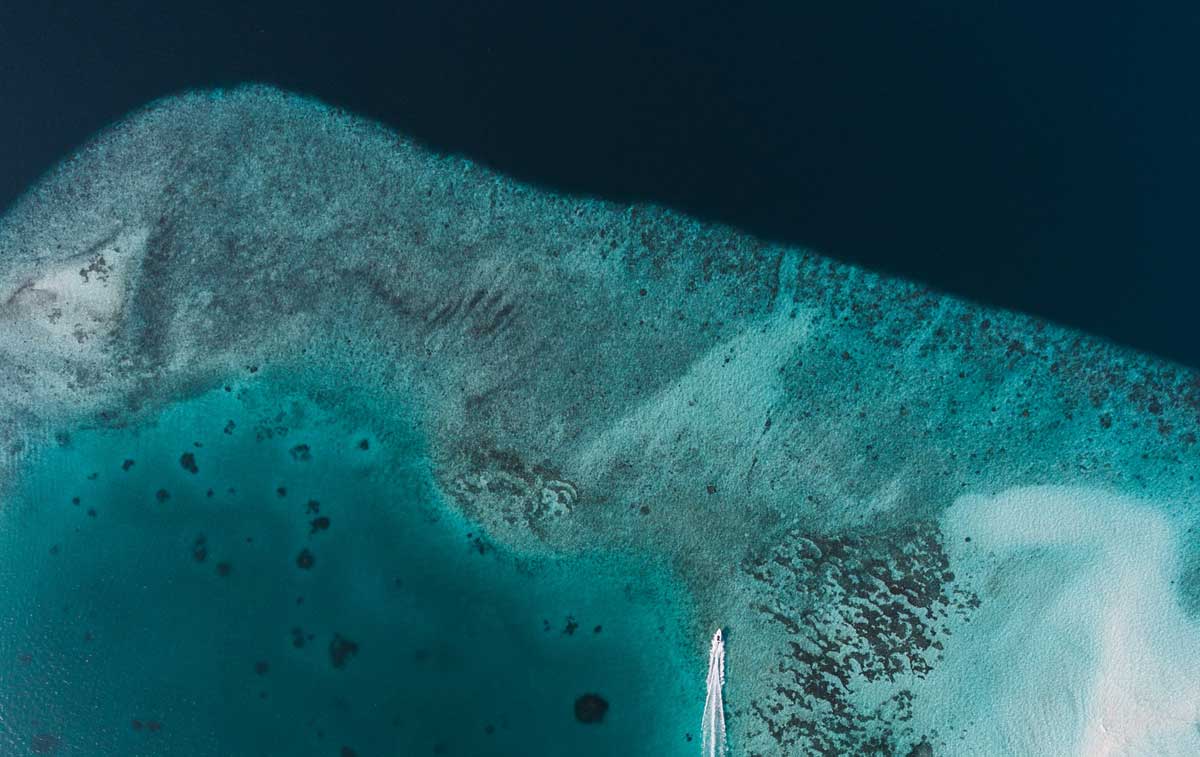
Second Thomas Shoal lies within the Philippines’ 200-nautical-mile Exclusive Economic Zone (EEZ), around 1,300 kilometres from mainland China. The Philippines has maintained a small military presence aboard the grounded BRP Sierra Madre since 1999 to reinforce its territorial claims.
China, however, claims the feature known as Renai Reef and most of the South China Sea under its “nine-dash line,” despite the international tribunal ruling against those claims.
Chinese authorities did not immediately comment on the latest accusations. Beijing has consistently denied using excessive force and instead accuses the Philippines of illegally entering waters it claims as Chinese territory.
A Pattern of Escalation
The latest confrontation is not an isolated event. Encounters between Chinese and Philippine vessels around Second Thomas Shoal have become increasingly frequent over the past two years.
In June 2024, another violent clash during a Philippine resupply mission resulted in a Filipino sailor losing a finger after Chinese coast guard personnel boarded Philippine boats and seized equipment. That incident led both countries to reach a provisional arrangement allowing humanitarian resupply missions to continue while avoiding direct confrontation.
However, Monday’s clash suggests that agreement has done little to reduce tensions on the water.
China has increasingly relied on coast guard ships and maritime militia vessels rather than naval forces to enforce its maritime claims, allowing Beijing to exert pressure while remaining below the threshold of conventional military conflict.
ASEAN Meeting Adds Diplomatic Significance
The timing of the confrontation is particularly significant as ASEAN foreign ministers meet in Manila alongside counterparts from major powers, including Chinese Foreign Minister Wang Yi.
The South China Sea is expected to be one of the summit’s most contentious issues, alongside negotiations over a long-delayed Code of Conduct between ASEAN and China.
For Manila, the latest incident strengthens its argument that Beijing continues to ignore international law while employing coercive tactics against smaller neighbours.
Why It Matters
The clash underscores the growing risk that routine maritime encounters could escalate into a wider regional crisis. Unlike previous incidents involving water cannons or dangerous manoeuvres, this episode involved direct physical violence against military personnel, marking another step in the increasingly confrontational nature of disputes in the South China Sea.
For the Philippines, the incident reinforces the need to strengthen defence partnerships with the United States, Japan and Australia while pushing ASEAN to adopt a firmer collective position. For China, maintaining pressure around disputed features remains central to its strategy of gradually asserting control without triggering open conflict.
What’s Next
The Philippines is expected to lodge a formal diplomatic protest and raise the incident during this week’s ASEAN meetings, where regional leaders will again press for progress on a legally binding South China Sea Code of Conduct.
China is likely to reject Manila’s accusations and reiterate its sovereignty claims, making any immediate de-escalation unlikely. Meanwhile, both countries are expected to continue patrols and resupply missions around Second Thomas Shoal, increasing the risk of further confrontations.
As strategic competition between China and the United States intensifies across the Indo-Pacific, incidents like this are becoming more than bilateral disputes. They are emerging as key flashpoints in the broader contest over maritime order, freedom of navigation and regional security, making the South China Sea one of the world’s most volatile geopolitical hotspots.
With information from Reuters.
