


The reported progress toward ending the Lebanon war is a rare diplomatic opening in a region exhausted by escalation. That is why mediation by Pakistan and Qatar deserves recognition. Neither country can impose peace, but together they have created political space where military logic had begun to dominate. Reports that the parties have discussed easing restrictions on Iranian oil and petrochemical exports, lifting the blockade, restoring some frozen assets, and launching a major reconstruction and development fund for Iran suggest that diplomacy is finally connecting security guarantees with economic incentives. That linkage matters because wars rarely end through ceasefire documents alone; they end when compromise becomes safer than conflict.
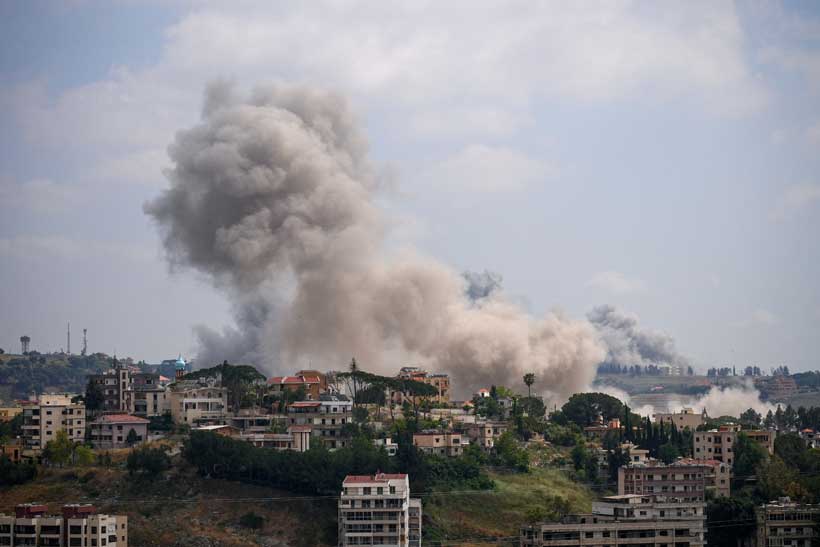
The optimism should be measured, not naïve. A diplomatic framework is not the same as peace, and an announcement is not implementation. The reported 60-day roadmap creates a timetable, but timetables can collapse if one side believes the other is buying time. The latest AP account reflects the same truth: progress is real, but fragile. Lebanon has already paid an unbearable price. Humanitarian agencies have documented displacement and damage through OCHA’s Lebanon updates, while reporting on the ceasefire has revealed the scale of destruction and trauma left behind. People will not judge diplomacy by communiqués. They will judge it by whether shelling stops, hospitals reopen, roads become safe and families return home.
Why Pakistan and Qatar Matter
Pakistan and Qatar have succeeded so far because each brings a different diplomatic asset. Qatar has spent years building channels with rival camps and hosting difficult negotiations. Pakistan has credibility with Iran, ties with Gulf states, and a working relationship with Washington. Together, they provide a bridge that neither the great powers nor the direct parties could easily construct. Their joint role, reflected in reports from Arab News and Gulf News, shows that Muslim-majority states can do more than issue statements after tragedies. They can design mechanisms, reduce mistrust and attach practical benefits to de-escalation. This is a model the region badly needs.
Stay ahead of the geopolitical week.
MD Briefing delivers expert analysis across five global fronts — the Indo-Pacific, energy, geoeconomics, European security, and the Middle East — every Monday morning. Free.
The most consequential part of the progress is the proposed Lebanon De-Conflict Cell. This mechanism will be the first real test because it moves the agreement from diplomacy into crisis management. If it works, it can verify incidents, clarify responsibility, prevent accidental escalation and keep communication open when tempers rise. If it fails, the ceasefire may become another paper promise. The cell must include clear reporting lines, Lebanese government participation, mediator access, and rapid procedures for investigating violations. It should also be consistent with the principles behind UN Security Council Resolution 1701, the core reference point for southern Lebanon. A ceasefire without monitoring is a pause. A ceasefire with credible de-confliction can become the beginning of a political settlement.
Economic Relief Must Serve Peace, Not Patronage
The economic elements are equally significant. Easing export restrictions, reopening trade channels and releasing assets could reduce pressure on Iran and create incentives for compliance. But economic relief must not become a blank cheque. Any reconstruction project should be transparent, audited and tied to civilian recovery rather than militarised patronage networks. Iran’s economic pain is real, as the World Bank has long noted in its country analysis, but recovery must benefit citizens. The same applies to Lebanon. Reconstruction there cannot be separated from sovereignty, public services and state authority. As Dawn observed in reporting on conditional ceasefire efforts, the central question is whether armed actors and external powers will allow the Lebanese state to regain control.
The wider lesson is that regional peace requires architecture, not improvisation. Energy security in the Strait of Hormuz, nuclear diplomacy, Lebanon’s sovereignty, Gulf investment and humanitarian reconstruction are now linked. Analysts at Chatham House and The Soufan Centre have warned that implementation will be harder than announcement. Israeli calculations, Hezbollah’s future posture, Iran’s internal politics and U.S. pressure could all disrupt progress, as coverage in the Times of Israel also suggests. Still, the alternative to diplomacy is another cycle of war, sanctions, displacement and economic shock.
A Chance That Must Not Be Wasted
Pakistan and Qatar have created a meaningful opening. Their achievement is not that they have ended the Lebanon war overnight, but that they have shifted the conversation from retaliation to implementation. Now the parties must prove that the agreement is more than tactical breathing space. The De-Conflict Cell must work, economic relief must be responsibly managed, and Lebanon’s civilians must be placed at the centre of the process. If these conditions are met, this diplomatic progress could become the foundation of a broader regional settlement. If they are ignored, the ceasefire will weaken, mistrust will return, and the region will lose another opportunity that may not come again soon.
