


Israeli and Lebanese officials are discussing a U.S. backed proposal that would see Israeli troops withdraw from parts of southern Lebanon and transfer control of those areas to the Lebanese army. The discussions are taking place during high level talks in Washington aimed at consolidating the fragile ceasefire that has largely held since Sunday.
The proposal centers on creating pilot zones where Lebanese forces would assume responsibility for security in territory seized by Israel during the conflict with Hezbollah. The initiative is part of broader diplomatic efforts involving the United States, Israel, Lebanon, and indirectly Iran to prevent a return to large scale fighting along the border.
Why It Matters
The talks represent one of the most concrete attempts yet to translate the recent ceasefire into a lasting security arrangement. Any agreement could reduce the risk of renewed conflict between Israel and Hezbollah, strengthen the Lebanese state’s role in southern Lebanon, and support wider regional de escalation efforts linked to U.S. Iran diplomacy.
However, Hezbollah’s opposition to the proposal and disagreements over Israeli troop withdrawals remain major obstacles that could derail progress.
Stay ahead of the geopolitical week.
MD Briefing delivers expert analysis across five global fronts — the Indo-Pacific, energy, geoeconomics, European security, and the Middle East — every Monday morning. Free.
US Proposal Seeks Gradual Israeli Withdrawal From Southern Lebanon
The proposed pilot project would allow Israeli forces to hand over selected areas in southern Lebanon to the Lebanese army while maintaining a separate Israeli military presence in a border buffer zone. Israeli officials argue that such an arrangement could improve security without creating a vacuum that Hezbollah could exploit.
According to Israeli officials, Lebanese troops assigned to the pilot zones would receive U.S. training and undergo vetting procedures to ensure they are not linked to Hezbollah. The goal is to build confidence that Lebanese forces can maintain stability while addressing Israeli concerns about militant activity near the border.
The proposal reflects Washington’s broader strategy of strengthening state institutions in Lebanon while reducing the likelihood of another cross border war.
Lebanese Officials Focus on Withdrawal Timeline and Sovereignty
Lebanese representatives have emphasized that discussions are centered on establishing a timeline for Israeli troop withdrawals from occupied territory. Beirut has consistently maintained that restoring Lebanese sovereignty remains a key objective of any agreement.
Military to military discussions are expected to focus on practical arrangements for the transfer of territory and the deployment of Lebanese troops. However, Lebanese officials have stressed that negotiations remain ongoing and no final framework has been approved.
For Lebanon, the challenge lies in balancing security requirements with domestic political sensitivities surrounding relations with Israel and foreign involvement in national defense matters.
Hezbollah Opposition Remains Major Obstacle
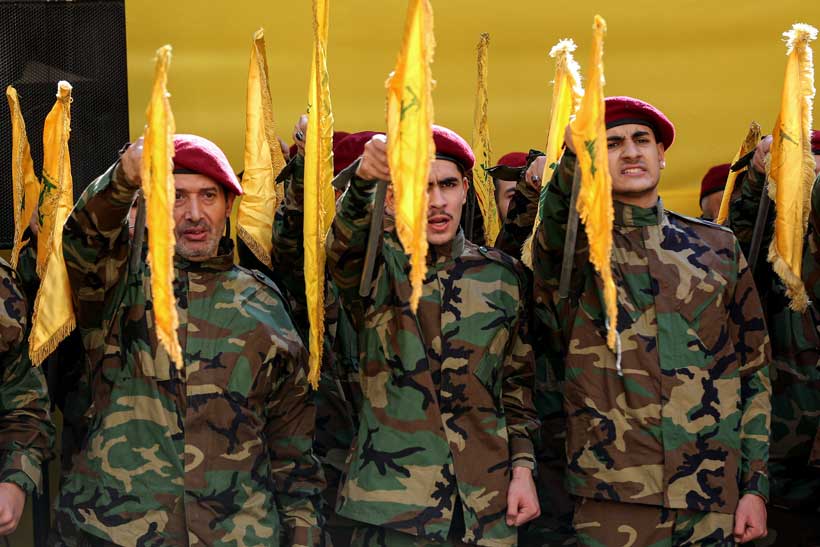
The proposal faces strong resistance from Hezbollah, which has repeatedly called on the Lebanese government to withdraw from the U.S. backed talks. The group has long opposed direct or indirect negotiations with Israel and views international efforts to reshape security arrangements in southern Lebanon with suspicion.
A previous version of the pilot zone proposal formed part of a ceasefire plan discussed earlier this month. That arrangement required Hezbollah to halt attacks and withdraw fighters from parts of southern Lebanon, conditions the group rejected.
Hezbollah’s position highlights the difficulty of implementing any security agreement without the cooperation of one of Lebanon’s most powerful armed and political actors.
Iran Deal Brings Lebanon Into Broader Regional Diplomacy
The negotiations are taking place against the backdrop of the U.S. Iran framework agreement, which includes provisions requiring an end to military operations across multiple regional fronts, including Lebanon.
Iranian officials have indicated that Lebanon forms part of the broader understanding reached with Washington and have linked any durable settlement to Israeli troop withdrawals. Meanwhile, the United States is working on plans for a deconfliction mechanism intended to help enforce the ceasefire and prevent future escalations.
The overlap between Lebanon negotiations and wider U.S. Iran diplomacy means progress in one arena could influence developments in the other.
Stakeholders
- Israeli government
- Benjamin Netanyahu
- Lebanese government
- Lebanese Armed Forces
- United States government
- U.S. military advisers
- Hezbollah
- Iranian government
- Border communities in Israel and Lebanon
- International mediators
- United Nations peacekeeping efforts
Future Outlook
The outcome of the Washington talks will likely determine whether the pilot zone concept advances into an operational security arrangement. Negotiators must still resolve key issues, including the scope of Israeli withdrawals, the role of the Lebanese army, and mechanisms for monitoring compliance.
If a deal is reached, it could serve as the first step toward broader stabilization along the Israel Lebanon border. However, Hezbollah’s opposition, unresolved territorial disputes, and ongoing regional tensions mean that any agreement will remain fragile and vulnerable to renewed conflict.
With information from Reuters.
