


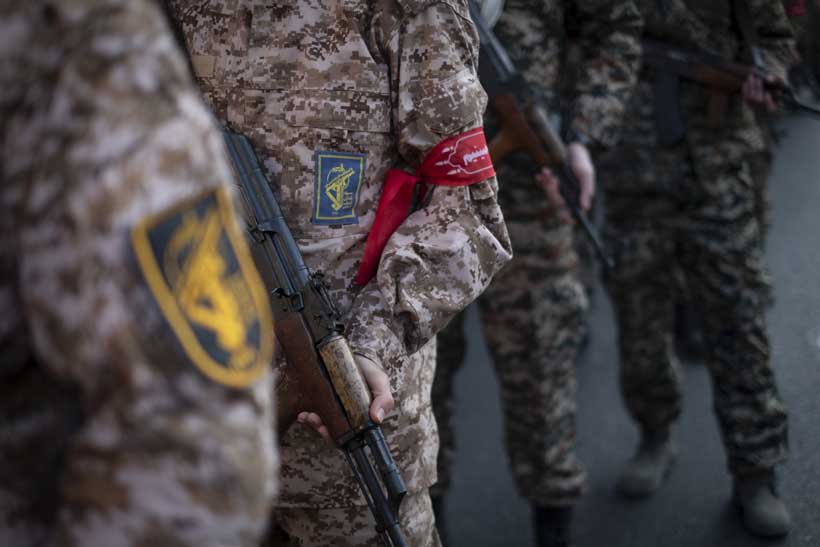
Emerging discussions between Washington and Tehran aim to end their conflict, but there’s a major concern: efforts to encourage Iran to comply might strengthen the Islamic Revolutionary Guard Corps (IRGC), which the U. S. and its allies classify as a terrorist group. The IRGC has benefited from sanctions over the years, establishing a large commercial empire that includes oil, construction, shipping, and telecommunications.
As talks between Tehran and Washington progress, the IRGC is likely to gain significantly from any financial relief resulting from a deal. Four Iranian sources revealed that the IRGC is strategically positioned to acquire a significant portion of financial benefits from lifted sanctions and increased foreign investment. However, their close involvement in the economy may create challenges in finalizing a deal, as their status could complicate efforts to relieve sanctions.
The IRGC, founded by Ayatollah Ruhollah Khomeini, has expanded its influence under Ayatollah Ali Khamenei, becoming a key player in Iran’s political and military landscape. Following the war that began on February 28, which resulted in Khamenei’s death, the IRGC has grown more powerful and publicly backed a peace agreement. According to sources, the IRGC has been positioned as the primary beneficiary of any sanctions relief since they manage many operations that circumvent these restrictions.
An interim deal recently announced allows for waivers on sanctioned oil sales, while a future agreement could remove all sanctions and provide Iran access to a substantial reconstruction fund. Although the IRGC does not release its financial information, their existing trade networks and businesses in key sectors mean that economic recovery will likely enhance their financial power.
Iranian investment laws require foreign companies to partner with local firms, which means any foreign business wanting to invest in Iran may end up working with IRGC-affiliated companies, risking legal issues due to ongoing sanctions related to the IRGC. Experts warn that despite a deal allowing Iranian oil exports, U. S. companies could still face legal repercussions due to their indirect involvement with the IRGC.
If broader sanctions remain, the IRGC will still take advantage of the interim deal’s oil export waivers and retain control over the economy, using their experience in avoiding sanctions. Their economic standing improved as they adapted to the sanctions imposed since the early 2000s, but became more challenging with the U. S. “maximum pressure” campaign initiated in 2018 under President Trump.
With information from Reuters
