Movie pacing is the continuity of the scenes and how the viewer is kept entertained. It is at the right time that the power of storytelling and emotional delivery is created. The length of a film has a direct impact on engagement and satisfaction on the platforms. When creating videos with Pippit, users can control the length and speed of the video. Balance of structure gives clarity in storytelling and viewing experiences in AI-generated films.
The Importance of Length and Pacing in AI-Generated Movies
Film length and pacing can directly impact the interpretation and emotion of a story. Shots are timed to elicit emotional flow and hold the audience between shots. A fast pace adds excitement, a slow pace adds depth and reflection. Transitions between scenes help to explain the story and prevent confusion in the story’s flow. When rhythm matches content intensity and visual differences, the audience’s attention is gained. Good pacing in AI-generated films helps to maintain coherence and improve the quality of the film.
How Timing Shapes Storytelling Quality
Stay ahead of the geopolitical week.
MD Briefing delivers expert analysis across five global fronts — the Indo-Pacific, energy, geoeconomics, European security, and the Middle East — every Monday morning. Free.
Timing is the key to the power of emotion and story in all segments of the film. Scenes are timed appropriately with a controlled rhythm and progression for an emotional impact. Time is a key part of making a scene change work. Pacing that is not too rapid or omits important details provides clarity in the narrative. The timing of the rhythm and scenes is key to audience attention management. The principle of timing is the basis for a simple ad maker process to get a better engagement result.

Understanding Pippit’s Movie Length Controls
The movie duration control feature allows creators to adjust the length of their videos to suit the platform’s guidelines and narrative objectives. Pippit offers flexible choices for short, medium, and long format outputs. Short-form content works best when you have snippets to share on social media that require quick engagement and retention. Medium-length storytelling allows for balanced storytelling, structured development, and flow. Longer format, cinematic presentations enable more complex stories and longer visual arcs. Each platform is optimized for the correct aspect ratio and viewing. In the context of an AI movie maker, these controls simplify the process of pacing decisions and enhance production efficiency.

Key Factors That Influence Pacing
A film can be a success from start to finish in a number of ways. Duration of scenes is the control of how long to show each moment, i.e., allocation of duration of scenes. Rhythm and emotional continuity between scenes are affected by the transition frequency. Visual intensity comes in the context of viewer stimulation and consistency of engagement. Pacing is vital to the clarity and understanding of a narrative. The density of dialogue influences the pace of information to audiences. The timing of the action is just right and not too much to detract from the structure of the storyline.
Steps to Fine-tune movie length and pacing inside AI Movie Maker
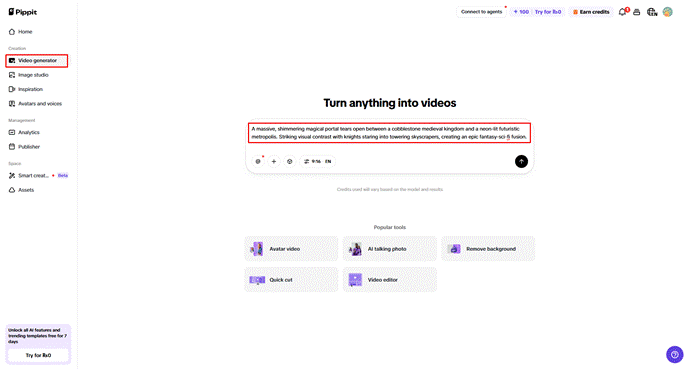
Step 1: Enter Video Generator and define project intent
- Sign up for Pippit to access the home page.
- Click “Video” on the dashboard or open “Video generator” from the side menu.
- Write a prompt that defines pacing style, mood, and storytelling rhythm.
Step 2: Set duration and timing controls
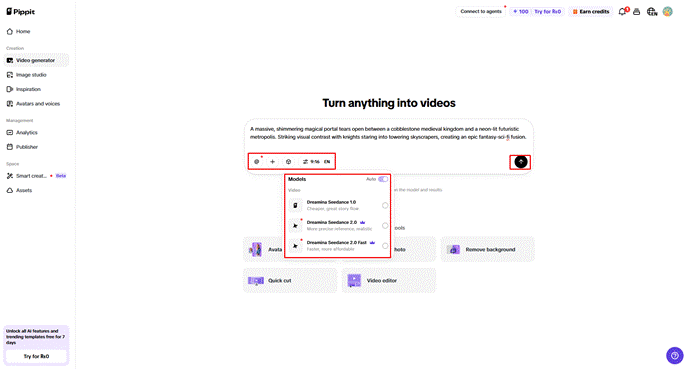
- Click “+” to upload your image, video, file, or link for processing.
- Add reference material using “Upload a reference video” and choose “Upload” if needed.
- Select Dreamina Seedance 1.0, Dreamina Seedance 2.0, or Dreamina Seedance 2.0 Fast as the AI model.
- Adjust movie length along with language and aspect ratio settings.
- Click “Generate” to process your timed sequence.
Step 3: Edit pacing and export the final cut
- Preview the result by selecting the video and pressing Play.
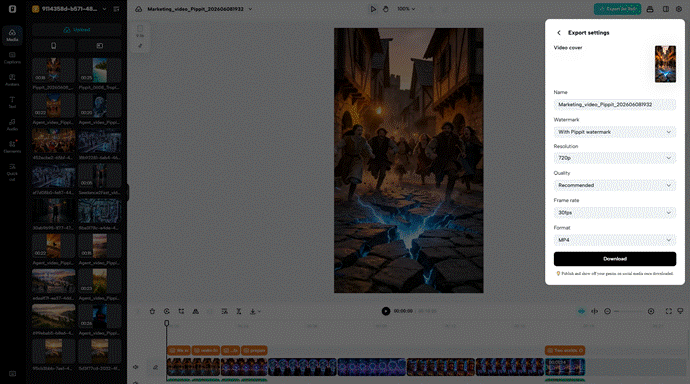
- Open “Edit more” to adjust timing, refine flow, or improve transitions.
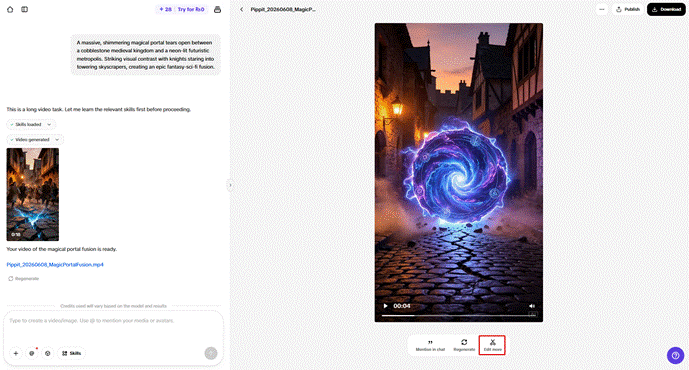
3. Export via “Download” or share instantly using “Publish”.
Balancing Fast and Slow Storytelling Moments
Slow and steady pacing can be effective – fast action and slower emotional development. Sequences of quick moments create excitement and keep viewers’ energy up—slow sequences to be used for reflection and emotional response to characters or themes. If pacing is tension and relaxation, anticipation will be built. Timing variations in structuring will enhance emotional peaks. The rhythm of the story is inherent, and this helps the story to move forward. Consistent but dynamic pacing throughout adds to the viewer’s immersion.
Editing Techniques for Better Flow
During the post-production refinement, the overall storytelling and scene coherence are greatly improved. Pippit has editing capabilities to enhance the flow and continuity of the visuals. Trimming can be used to cut out any excess footage that may be impacting the pacing balance. Transition refinement smoothens the transition to seamlessly view. Visual and narrative continuity adjustments are made for logical visual and narrative progressions. Synchronizing audio and video to ensure the story is told at the appropriate pace. These methods can be used to enhance the emotional performance and capture the audience’s attention.
Avoiding Common Pacing Mistakes
In film, pacing problems kill engagement and the effectiveness of storytelling. Excess in a scene is too much for the viewer and will diminish the attention span. It is important that the narrative is not broken up by sudden changes and that the audience is able to follow it. Emotional buildup and scene connection are disrupted by inconsistent rhythm. Too many repetitions and interest will fade, and it won’t have the same impact. Poor story structure and clarity due to a lack of narrative focus. Low balance of timing = less immersion and less film quality.
Optimizing Movie Length for Different Platforms
Different platforms will have different lengths of film for optimum engagement performance. The structure with the most impact and shorter videos is the most effective for social media. Concise messaging and focused storytelling delivery are beneficial for promotional content. Education presentations should be well-paced and should clarify and retain. Creative storytelling projects can be extended and have more depth in telling the story. Pippit features adaptive export settings to optimize and format for various platforms.
Conclusion
Good pacing helps enhance the quality of the story and increases all forms of audience engagement. Timing is perfect, adding to the emotion and clarity of the story in each scene. Duration control ensures that the content is effective with the platform and audience. Pippit allows for customization of the length and pacing of the movie with ease. The better the control over rhythm and structure, the more compelling the AI-generated films will be and have a lasting impact on the viewer.