


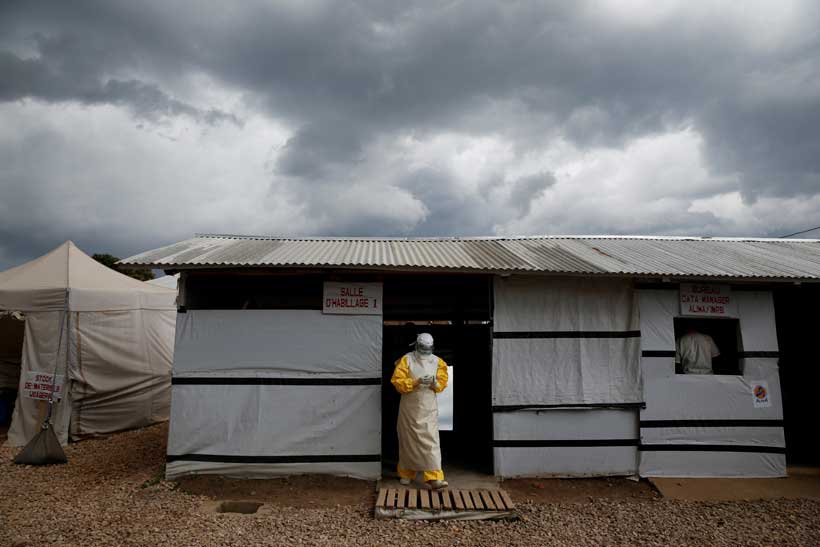
Supported by the World Health Organization and Africa CDC, India has taken on the urgent and unique task to engage in the production of a vaccine for the Ebola virus, the deadly disease that broke out in the Democratic Republic of Congo in mid-May 2026. Following the Ebola infection cases, many countries have broader steps to reinforce disease surveillance and strict border control mechanisms amid rising regional risks, especially in the Central African region.
WHO declared, in May, the outbreak a ‘public health emergency’ of international concern, underscoring the need for monitoring measures of cross-border human movements and the possibility to control transmission. Many countries have adopted and reviewed screening procedures and coordination designed to detect and contain any suspected cases.
The Serum Institute of India (SII) is partnering with the University of Oxford and CEPI to develop a new vaccine candidate targeting the Bundibugyo strain of the Ebola virus. Because no approved vaccines currently exist for this specific strain, the SII is fast-tracking production using the viral vector platform.
Fast-Tracked Vaccine Development
Stay ahead of the geopolitical week.
MD Briefing delivers expert analysis across five global fronts — the Indo-Pacific, energy, geoeconomics, European security, and the Middle East — every Monday morning. Free.
The Target: The vaccine candidate (ChAdOx1 BDBV) is designed to prevent the rare Bundibugyo ebolavirus, which is currently causing outbreaks in Central Africa.
The Technology: It utilizes the same viral vector platform used for the Oxford/AstraZeneca COVID-19 vaccine, allowing for rapid scaling and manufacturing once the clinical-grade material is ready.
Timeline: The World Health Organization (WHO) has fast-tracked the assessment process, with clinical-grade doses expected to be available for trial testing.
Indian Preparedness & Protocols
Zero Active Cases: India has not reported any active cases of the Ebola virus.
Preventive Measures: Indian health authorities and airports have placed specialized facilities on high alert. This includes preventive screening and isolation protocols for any suspected cases or individuals traveling from affected regions like the Democratic Republic of Congo and Uganda.
Global efforts accelerate vaccine development.
Scientists and vaccine manufacturers are now racing to design, test, manufacture, and deploy vaccines that could help prevent this outbreak from persisting for several years, as previous outbreaks have. Medical experts across the world maintain that the Ebola epidemic is a global threat.
Director-General Tedros Adhanom Ghebreyesus flew to the DRC and visited the province of Ituri. After the visit, he said, “A Bundibugyo vaccine could help to control this epidemic and strengthen preparedness for future outbreaks.”
Notwithstanding the challenges, Ghebreyesus expressed confidence and optimism that the outbreak would be stopped. Africa Centres for Disease Control and Prevention director general Jean Kaseya later confirmed that the vaccines will be manufactured by the Serum Institute of India, underscoring the growing confidence to ensure health sovereignty and to contain further spread of Ebola.
Different virus, different challenge
Since the outbreak, over 1500 suspected cases and 650 deaths have been reported in the Democratic Republic of the Congo (DRC) and Uganda. According to medical reports, this newest outbreak is being caused by the Bundibugyo virus, a more recently discovered species that is less lethal than Zaire but has no approved vaccines or treatments. With the majority of cases impacting the DRC, this marks the country’s 17th Ebola outbreak since the discovery of the virus on the Ebola River in 1976.
Despite the huge untapped resources, the world’s deadliest and most complex humanitarian crises have been unfolding for decades in the Democratic Republic of the Congo, located in central Africa.
