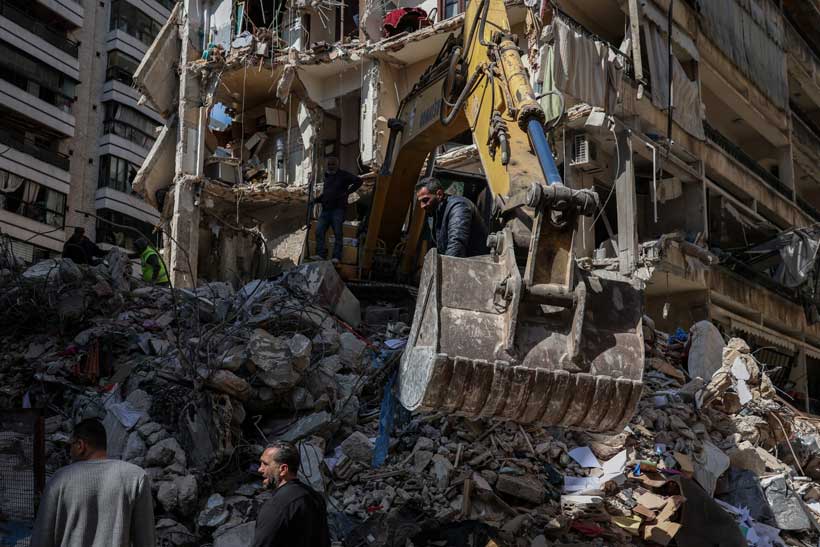
Iran is actively trying to maintain its influence in Lebanon, making the country’s situation a key part of its negotiations with the U. S. as it seeks to shape the outcome of Hezbollah’s conflict with Israel. This effort conflicts with an important U. S.-led negotiation process aimed at resolving the long-standing issues between Lebanon and Israel and shifting the dynamics of power in the country.
Lebanon’s President Joseph Aoun has asserted that the future of Lebanon is reliant on its own people, not on Iran or Israel, emphasizing that while cooperation with Iran is acceptable, Lebanon will not allow Iran to dictate its actions. He is committed to pursuing diplomatic solutions and believes that negotiations are the only way to end the conflict. However, there are challenges, as Hezbollah has rejected direct talks with Israel, accusing them of being disgraceful, and has not provided a solution to the government. Aoun cautioned that if Hezbollah continues to adopt a militant stance, it risks harming the very community it claims to defend, particularly as the conflict’s intensity has created tension along Lebanon’s sectarian lines.
Tehran has made it clear that a ceasefire in Lebanon is essential for reaching any broader deal with Washington. Following the ousting of Syrian President Bashar al-Assad, Lebanon has grown increasingly pivotal to Iranian strategy against Israel. Iran sees Lebanon as a critical front for its “resistance narrative” and has demonstrated a willingness to engage more actively, as evidenced by recent strikes in response to attacks on Lebanese soil. Tehran has communicated that any efforts to weaken Hezbollah or conduct strikes in Lebanon will not be tolerated, warning that such actions could jeopardize ceasefire efforts and provoke wider regional instability.
The ongoing talks in Washington have faced significant obstacles. Lebanon seeks a durable ceasefire as the starting point for negotiations that would lead to a complete Israeli withdrawal and the safe return of displaced people under the oversight of the Lebanese army. In contrast, Israel wants the dismantling of Hezbollah as a military entity in the south before it considers relinquishing occupied areas. Lebanese officials have described the negotiations as challenging, with one of their key negotiators walking out after determining that Israel was unwilling to compromise. U. S. Secretary of State and Vice President had to intervene to restart discussions, which led to a last-minute proposal lacking crucial details.
As Lebanon continues its negotiations, they propose a dual approach where Israeli withdrawal and the extension of Lebanese authority occur simultaneously. Beirut suggests that a ceasefire would trigger a deadline for Hezbollah’s withdrawal, which would enable a phased approach for both Israeli and Lebanese troops in southern Lebanon. However, Hezbollah has rejected this plan as a concession to Israel, indicating that real negotiations would only truly begin after a ceasefire emerges from a U. S.-Iran agreement, while the current conflict continues. The Lebanese government faces a complex challenge as it balances Israel’s demands for dismantling Hezbollah with Iran’s insistence on its preservation, all while attempting to build support for a sovereign Lebanese agenda amid the ongoing war.
With information from Reuters