


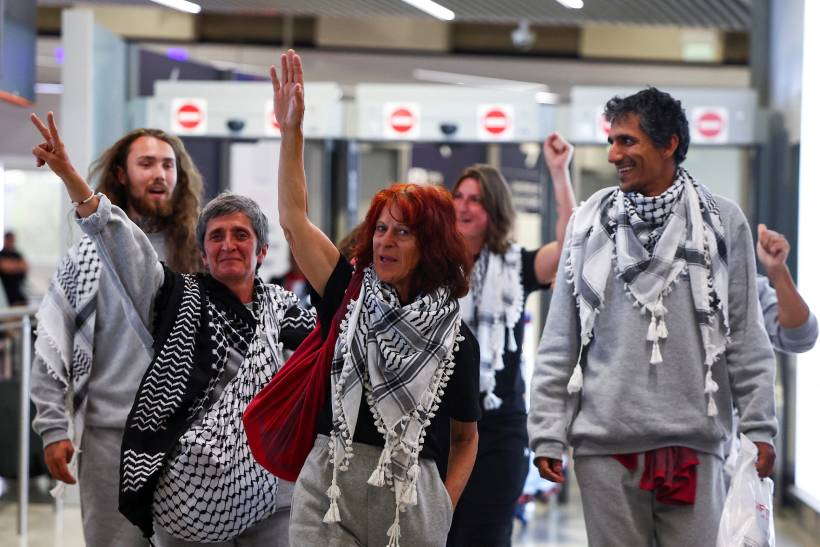
France has formally asked prosecutors to investigate allegations of abuse involving French nationals who participated in a recent activist flotilla attempting to deliver aid to Gaza.
French Foreign Minister Jean Noel Barrot said the decision followed reports submitted by France’s consul general in Turkey concerning the treatment of French citizens after the flotilla was intercepted.
According to Barrot, the allegations include sexual violence, exposure to extreme cold, beatings, humiliation, and other forms of mistreatment that may constitute criminal offenses under French law.
The activist flotilla was detained during an attempt to deliver humanitarian aid to Gaza amid the ongoing conflict and humanitarian crisis in the Palestinian territory. Organizers of the mission later claimed that several activists suffered physical abuse while in detention, with some requiring hospitalization for injuries.
Stay ahead of the geopolitical week.
MD Briefing delivers expert analysis across five global fronts — the Indo-Pacific, energy, geoeconomics, European security, and the Middle East — every Monday morning. Free.
Lawyers representing French activists involved in the flotilla also announced plans to file separate legal complaints alleging rape, torture, humiliation, and violent treatment.
The allegations have added further international scrutiny to the handling of activists and humanitarian missions connected to the Gaza conflict.
Why It Matters
The investigation carries significant diplomatic, legal, and political implications for France, Israel, and the broader international debate surrounding Gaza.
First, the allegations raise serious human rights concerns involving the treatment of foreign nationals participating in humanitarian or political activism. Claims involving sexual violence and torture, if substantiated, could trigger international legal consequences and intensify demands for independent investigations.
Second, the case increases pressure on European governments to respond more forcefully to allegations connected to the Gaza conflict. European leaders have faced growing domestic criticism over their policies toward Israel and the humanitarian situation in Gaza.
The controversy also reflects widening political tensions inside France, where public opinion has become increasingly polarized over the war. Activist groups and legal representatives have accused the French government of failing to take a sufficiently critical stance toward Israel since the conflict began.
At a broader level, the incident highlights the increasingly international dimension of the Gaza crisis, where humanitarian activism, diplomacy, and legal accountability are becoming deeply interconnected.
Key Stakeholders
France
The French government now faces pressure to demonstrate that it will fully investigate allegations involving its citizens while balancing sensitive diplomatic relations in the Middle East.
Gaza Aid Activists
Activists involved in the flotilla are seeking legal accountability and international recognition of the alleged abuses. Their claims may encourage further scrutiny from human rights organizations and international legal bodies.
Israel
Although the report does not specify direct legal accusations against Israeli authorities, the allegations could increase diplomatic pressure and intensify criticism regarding the treatment of detainees connected to Gaza related operations.
Human Rights Organizations
International rights groups are likely to monitor the investigation closely, particularly because the allegations involve claims of sexual violence, torture, and mistreatment during detention.
European Governments
Other European states may face growing calls to investigate the treatment of their own nationals involved in similar humanitarian missions or protests connected to Gaza.
Legal and Diplomatic Implications
France’s decision to involve prosecutors transforms the issue from a political controversy into a potential criminal investigation.
If evidence supports the allegations, the case could develop into a major diplomatic dispute involving questions of international law, detainee rights, and state responsibility.
The legal complaints announced by the activists’ lawyers may also expand pressure for broader international investigations into incidents linked to humanitarian missions targeting Gaza.
At the same time, tensions between activists and the French government appear to be growing. Lawyers representing the activists rejected invitations from French officials for discussions, accusing Paris of supporting Israel throughout the conflict.
This disagreement reflects wider frustration among some activists and political groups who believe European governments have failed to respond strongly enough to humanitarian concerns in Gaza.
Future Outlook
The investigation is likely to deepen political and diplomatic tensions surrounding the Gaza conflict in the coming weeks.
French prosecutors may now begin reviewing testimonies, medical evidence, diplomatic reports, and accounts from activists involved in the flotilla mission. Human rights organizations could also seek independent inquiries if the allegations gain wider international attention.
The case may increase pressure on European governments to adopt firmer positions regarding the treatment of humanitarian activists and detainees linked to Gaza operations.
At the same time, the allegations could fuel broader public debate in France and across Europe over government policy toward Israel and the humanitarian crisis in Gaza.
If additional countries launch similar investigations involving their nationals, the controversy could evolve into a larger international legal and diplomatic issue.
The incident also highlights the growing role of humanitarian activism in shaping global political pressure related to Gaza. As civilian missions, protests, and aid campaigns continue attracting international participation, governments may face increasing scrutiny over how such operations are handled.
Ultimately, the investigation could become another flashpoint in the broader international debate over accountability, human rights, and the conduct of actors involved in the Gaza conflict.
With information from Reuters.
