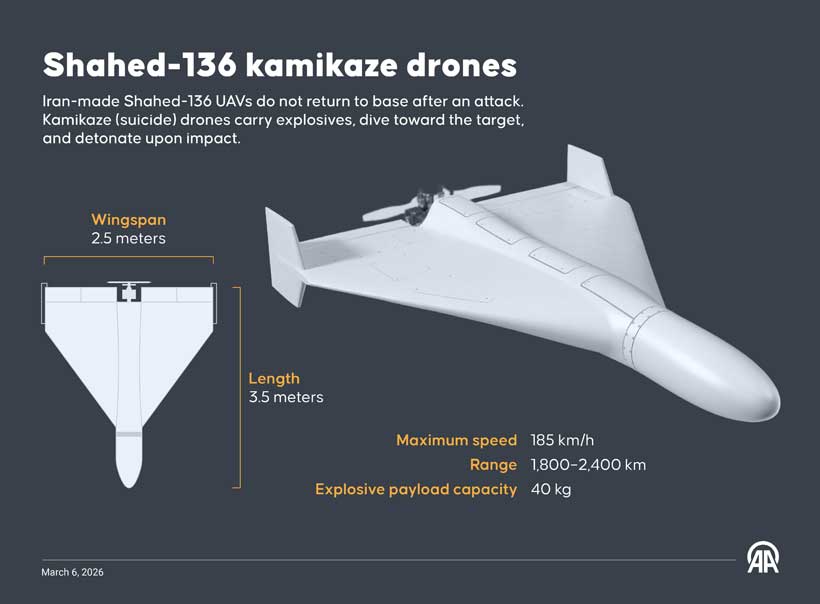
In a foggy field in northeastern Ukraine, four soldiers monitor red and yellow dots on a screen in a van, equipped with interceptor drones and energy drinks to stay alert overnight. These pilots, along with around a thousand others, are fighting to eliminate the Shahed drone, one of Russia’s most effective weapons. Borys, their commander, emphasizes the importance of shooting down the Shahed, noting that even using 50 drones to target one is worth it due to the potential destruction it can cause.
The Shahed drones, low-cost and long-range, are a significant threat as Russia has been deploying thousands each month. Moscow has modified the original design, called Geran, to enhance its navigation, engine performance, and bomb capacity. While Ukraine successfully intercepts most of these drones, over 1,000 have evaded defenses and caused massive destruction to military infrastructure and civilian areas, disrupting energy supplies for millions.
In February, Defence Minister Mykhailo Fedorov set a goal to neutralize 95% of all incoming Shaheds and similar drones. Despite an interception rate of over 85% that month, he stated that strengthening air defenses will be crucial for Ukraine’s sustained survival amid ongoing conflict. A recent increase in interception success to 90% has been reported, although this data remains unverified. Russian officials have denied accusations of targeting civilians, claiming that their attacks aim to weaken Ukraine’s military.
Ukrainian forces on the interception front acknowledge that establishing a comprehensive air defense system will take time, with challenges arising from the evolving drone technology. Modifications to interceptors are necessary as Russia improves the speed of Shahed drones. Fedorov highlighted the ongoing development of jet-powered interceptor drones to address this challenge.
Shahed vs. Interceptor: Battle of Low-Cost Drones
Shaheds, drones imported by Russia from Iran, first appeared in Ukraine shortly after Russia’s 2022 invasion. These drones, known for their distinctive design and high-pitched engine sound, quickly gained the nickname “mopeds. ” Russia now produces thousands of these drones each month in its own factories, making them a significant part of its long-range drone fleet. Samuel Bendett, a senior fellow at the Center for a New American Security, stated that as Russia expands its UAV production, these drones pose a serious threat to Ukraine, making their destruction crucial.
Although the cost of production hasn’t been disclosed, estimates from the Center for Strategic and International Studies suggest that each Russian Shahed costs around $35,000. In contrast, Ukrainian interceptor drones are cheaper, with costs starting at less than $1,500. These interceptors are typically small, 3D-printed devices designed to carry explosives and are powered by small propellers. Ukrainian soldiers face challenges in the field; they often have only a few minutes to track a Shahed before it goes out of range. Spotting the Shahed relies heavily on weather conditions, and sometimes poor visibility forces them to abandon missions.
Despite these challenges, Ukraine is working on automated drone guidance systems for better performance in adverse weather. Ukrainians have developed a multi-layered defense system using electronic warfare, interceptor drones, and armed vehicles to protect against the more than 500 drones launched in some attacks. Air force commander Cherevashenko indicated that they are learning from past drone campaigns to enhance their defense against Shaheds. Electronic warfare can disrupt some drone operations, with interceptor drones now downing 40% of these threats. F-16 fighter jets can also engage successfully. However, Russia’s use of artificial intelligence and mesh networks complicates the situation for Ukraine. Interestingly, remote working technology allows top pilots to operate interceptors from various locations, enhancing their defense capabilities.
With information from Reuters
Stay ahead of the geopolitical week.
MD Briefing delivers expert analysis across five global fronts — the Indo-Pacific, energy, geoeconomics, European security, and the Middle East — every Monday morning. Free.