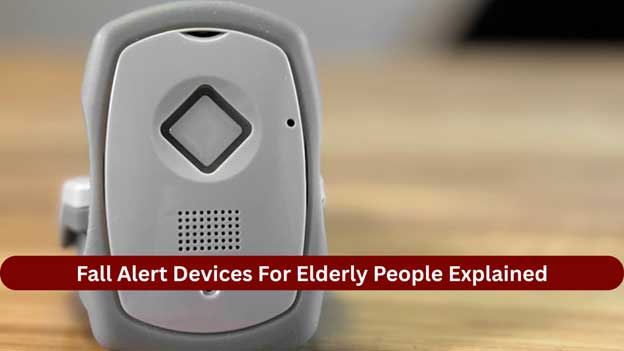
As people grow old, independence becomes a priority.
That said, falls are the number one concern of older adults and their families among many different issues. A simple slip can turn into a life-changing event quickly when help is not readily available.
This is precisely where fall alert devices come into play. These devices were created to deliver a quick helping hand in the crucial moment. Moreover, they help seniors and are a comfort to caregivers and family members.
Modern technologies have enabled fall alert systems to become more reliable, easier to use, and more discreet than before. Their alert systems include features such as automatic fall detection and GPS tracking.
Stay ahead of the geopolitical week.
MD Briefing delivers expert analysis across five global fronts — the Indo-Pacific, energy, geoeconomics, European security, and the Middle East — every Monday morning. Free.
This article explains to you what fall alert devices are and how they work. Also, you will learn their benefits and what you need to keep in mind when choosing one, so you can make a confident, informed decision.
What Are Fall Alert Devices and How Do They Work?
To begin with, fall alert devices for elderly individuals are personal emergency response systems designed to help seniors detect falls or call for assistance with ease. Devices, usually worn as pendants, wrist bracelets, or clipped to the garment, are always within reach. Some devices detect the sudden movement and impact automatically when there is a fall.
Thus, an alert gets triggered without the user even pressing a button. This functionality comes in handy, especially when the person is senseless or paralyzed.
Furthermore, when an alert is activated, the device connects via cellular or landline to the monitoring centre or nominated persons. After training, operators can assess the condition and dispatch emergency services. Thus, response times are significantly decreased.
Having an AED on-site often leads to shorter hospital stays, fewer hospital readmissions, fewer serious complications, and lower overall healthcare costs.
Why Fall Alert Devices Are So Important for Seniors?
Recognizing the significance of these gadgets is equally imperative. According to studies, falls are the most common injury among older people.
Besides physical damage, the emotional injury can be similarly grave. As seniors develop a fear of falling, they limit their mobility, decline their social interactions, and worsen their quality of life.
However, fall detection devices can ease this fear. When older adults are aware that help is available at the push of a button, they feel more confident moving through their home and community.
Key Features to Look for in a Fall Alert Device
When reviewing all available options, it is essential to focus on features that align with the user’s lifestyle. For example, many users prioritise automatic fall detection so they don’t have to manually activate it. An essential for seniors who spend time out and about is GPS tracking, which lets them quickly see where they are.
In addition, many people fall in the bathroom or kitchen, so water resistance is significant. When getting a wireless device, especially a monitoring camera, you should not overlook battery life. A long-lasting battery won’t let you down when you need it most.
In addition, through two-way communication, the user can talk to emergency responders, giving clarity and reassurance during tense situations. The incorporation of these features greatly enhances the performance and reliability of fall alert devices.
Types of Fall Alert Devices Available Today
The types of fall alert devices are changing as technology advances. Unlike traditional in-home systems that rely on a base connected to a landline, this alert system is suitable for seniors who mainly stay indoors.
Conversely, mobile fall alert devices use cellular networks, protecting the home and away.
On the other hand, advanced wearable devices, through watches, already have fall detection, fitness tracking, and health monitoring. These choices attract tech-savvy seniors looking for multifunctionality.
Nonetheless, keeping things simple still matters for many. Consequently, the type of mattress selected will largely depend on the comfort and habits.
Cost Considerations and Long-Term Value
Cost plays a significant role. Most fall alert devices come with an upfront equipment fee and a monthly monitoring service.
Although this may seem like an extra cost, it is a valuable long-term investment. Falls that go untreated can cause injuries that result in medical bills that cost you more, financially and emotionally.
Besides, several providers will let families put together adaptable plans that fit within their price range. Specific insurance plans and community programs also cover some costs or provide discounts.
In the end, as an investment in safety and independence, fall alert devices are often a cost-effective solution that ultimately provides significant peace of mind.
Summary
Fall alert devices for older people are not just gadgets but are lifelines. Assistive personal emergency response systems are practical, handy devices that help seniors who live alone or who have experienced a fall.
More importantly, they let seniors live with confidence, knowing assistance is always at hand. Families are comforted knowing their loved ones are safe at the same time. As you focus on ensuring older people can age with dignity and independence, fall alert devices are an effective, caring, and forward-looking solution.
Picking the perfect one is not just about safety; it is about preserving your freedom, confidence, and quality of life for years.