


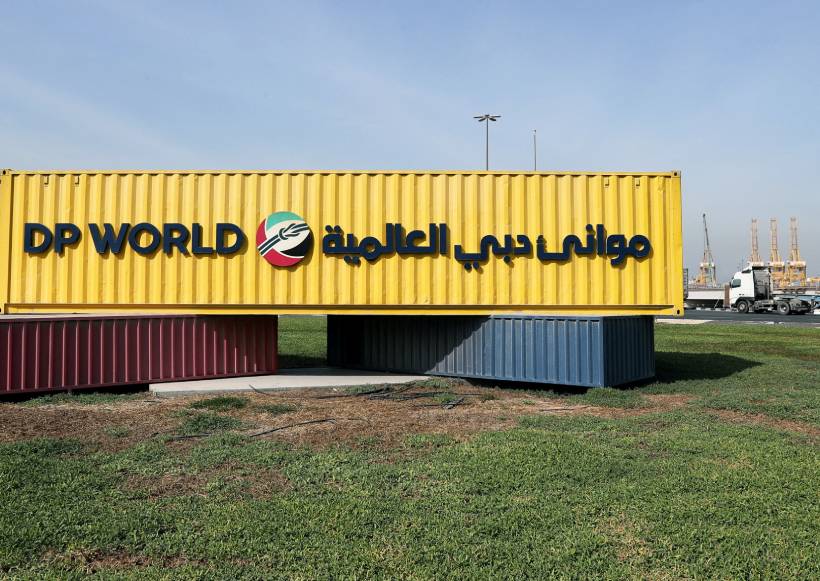
The resignation of Sultan Ahmed Bin Sulayem as chief executive and chair of DP World underscores the lingering impact of Jeffrey Epstein’s extensive network of influence across the Middle East. DOJ documents reveal Bin Sulayem engaged with Epstein in correspondence discussing personal encounters and social connections, though no evidence indicates criminal wrongdoing. The timing of the resignation, following the public release of the Epstein files, suggests reputational and investor pressures were decisive factors.
Investor and Governance Pressures
International investors, including British International Investment and Canada’s La Caisse, reacted swiftly by suspending new investments with DP World, citing concerns about Bin Sulayem’s alleged ties to Epstein. These measures reflect growing scrutiny from global financial actors on governance and ethical risks. The UAE’s decision to appoint a new chairman for the Ports, Customs, and Free Zone Corporation signals an effort to stabilize investor confidence and mitigate reputational damage in key strategic sectors.
Epstein’s Strategic Network in the Gulf
The DOJ documents reveal that Epstein sought to cultivate ties with prominent figures in Qatar, Saudi Arabia, and Egypt. His guidance to Qatari officials during the 2017-21 Gulf blockade, as well as suggestions regarding strategic financial moves, such as the Saudi Aramco IPO, illustrate his use of wealth and influence to insert himself into political and business decision-making. While the success of these efforts remains unclear, they demonstrate his ambition to shape regional dynamics and advise on high-stakes economic and diplomatic matters.
Implications for Middle East Business and Diplomacy
The Bin Sulayem episode highlights the vulnerability of major Middle Eastern corporations to reputational shocks stemming from international scandals. For DP World, a globally significant port operator, investor confidence is intertwined with perceptions of leadership integrity. Epstein’s influence, though indirect, has shown that associations—even social or advisory—can have tangible corporate consequences. For regional governments, this episode underscores the delicate balance of promoting international investment while safeguarding institutional credibility.
Stay ahead of the geopolitical week.
MD Briefing delivers expert analysis across five global fronts — the Indo-Pacific, energy, geoeconomics, European security, and the Middle East — every Monday morning. Free.
Analysis: Reputation, Influence, and Risk
Epstein’s reach in the Middle East illustrates a broader pattern of using wealth and personal networks to gain access to elite circles. While his recommendations were rarely binding, the perception of proximity to power proved sufficient to generate scrutiny for those associated with him. Bin Sulayem’s departure demonstrates how reputational risk, amplified by global media and investor oversight, can outweigh formal legal considerations. More broadly, the episode emphasizes the increasing importance of corporate transparency and ethical governance in the Gulf, particularly for entities operating on the international stage.
Conclusion
The fallout from the Epstein files is a cautionary tale for Middle Eastern leaders and corporate executives alike. Even indirect ties to globally notorious figures can trigger political, financial, and reputational repercussions, reinforcing the critical need for robust compliance, transparency, and risk management practices in highly visible regional institutions.
With information from Reuters.
