


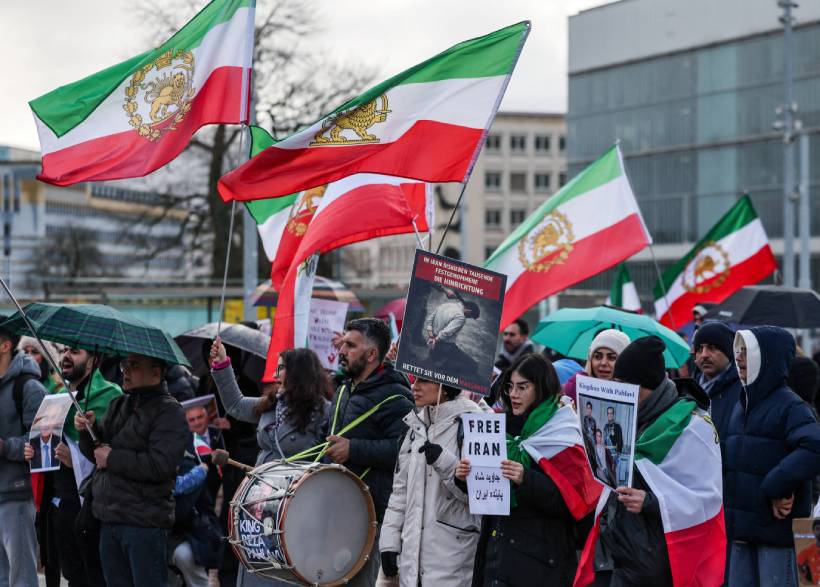
The United States and Iran commenced indirect nuclear negotiations in Geneva on Tuesday, mediated by Oman, in an effort to resolve their long-standing nuclear dispute. U.S. envoys Steve Witkoff and Jared Kushner participated alongside Iranian Foreign Minister Abbas Araqchi, while President Donald Trump stated he would be involved “indirectly” in the process. A senior Iranian official emphasized that the effectiveness of the talks hinges on the United States avoiding unrealistic demands and demonstrating genuine commitment to lifting sanctions. Tehran is reportedly bringing “constructive proposals” to the table, signaling a cautious optimism, though underlying tensions remain high.
Military Posturing Raises the Stakes
The diplomatic efforts are unfolding against a backdrop of significant military posturing. The United States has deployed what Trump calls a massive naval armada to the region, preparing for the possibility of extended operations should military action be ordered. Meanwhile, Iran has conducted naval drills in the Strait of Hormuz, a strategically vital route for global oil exports. These simultaneous shows of force highlight the delicate balance between diplomacy and deterrence, with both sides signaling readiness to escalate if negotiations falter. The presence of military assets adds a tangible urgency to the talks and increases market sensitivity, particularly in energy markets.
Historical Context Shapes Caution
Past attempts to revive negotiations have been interrupted by military action. In June last year, Israel launched air strikes against Iranian nuclear facilities, accompanied by U.S. B-2 bomber missions, which severely undermined trust and contributed to Tehran’s wariness. Since that time, Iran has halted uranium enrichment activity, but the country continues to grapple with internal unrest and economic strain caused by sanctions. Widespread protests over the cost-of-living crisis have been violently suppressed, with thousands reportedly killed, further complicating the Iranian government’s negotiating position and demonstrating the domestic pressures influencing Tehran’s international strategy.
Contentious Issues in Focus
The central dispute revolves around Iran’s nuclear program, though Washington has sought to expand the agenda to include Iran’s missile capabilities. Tehran has made clear that it will only negotiate limits on nuclear enrichment in exchange for sanctions relief and is not willing to abandon uranium enrichment entirely or discuss its missile program. The differing priorities of the two sides highlight the deep mistrust and the challenges of reaching a comprehensive deal. Meanwhile, Iran remains compliant with the Non-Proliferation Treaty, which allows civilian nuclear activity under international monitoring, while Israel, a regional rival, maintains a policy of ambiguity regarding its own nuclear capabilities.
Stay ahead of the geopolitical week.
MD Briefing delivers expert analysis across five global fronts — the Indo-Pacific, energy, geoeconomics, European security, and the Middle East — every Monday morning. Free.
Economic and Energy Implications
The heightened tension surrounding the talks has had immediate market implications. Benchmark Brent oil prices slipped slightly during Asian trading as investors weighed the risk of supply disruptions stemming from naval drills and military escalation in the Gulf. With the Strait of Hormuz accounting for a significant share of global oil exports, any miscalculation or escalation could quickly ripple through energy markets, adding another layer of urgency to the negotiations.
Parallel Diplomatic Efforts
In addition to the Iran discussions, U.S. envoys Witkoff and Kushner are scheduled to engage in separate Geneva talks with Russia and Ukraine later in the week, attempting to mediate a resolution to Moscow’s ongoing four-year invasion. The convergence of multiple high-stakes negotiations in Geneva underscores the interconnected nature of U.S. foreign policy challenges and the delicate balancing act required to prevent simultaneous crises in both the Middle East and Eastern Europe.
With information from Reuters.
