


NEWS BRIEF
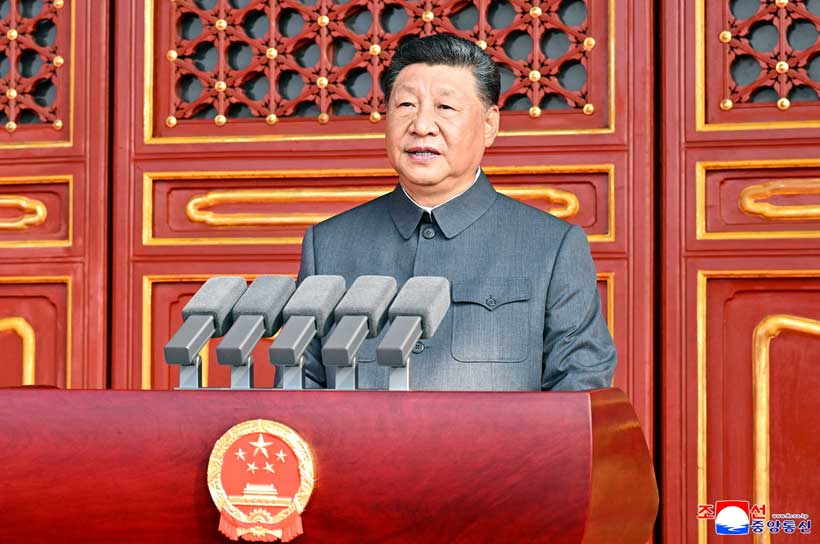
China is on track to meet its 2025 growth target of around 5% and will roll out more proactive macroeconomic policies in 2026, President Xi Jinping said in year-end addresses, signaling continued stimulus as the economy grapples with weak consumption, deflationary pressures and a prolonged property downturn. While exports and technology investment have buoyed growth, Beijing is preparing additional fiscal support to stabilise momentum and rebalance the economy.
WHAT HAPPENED
- Xi said China’s GDP is expected to reach about 140 trillion yuan ($20 trillion) this year, with growth holding near the official 5% target despite a slowing second half.
- In New Year remarks and a closed-door meeting with senior Communist Party officials, Xi pledged “more proactive” macro policies in 2026 but stopped short of detailing new measures.
- Growth this year was supported by resilient exports, even as domestic demand remained soft amid deflation and a deep property-sector slump.
- Beijing reiterated commitments to “common prosperity,” boosting consumption, and correcting structural imbalances between supply and demand.
WHY IT MATTERS
- Xi’s language reinforces expectations of further fiscal stimulus and consumption support next year, anchoring confidence amid signs of economic fatigue.
- A record trade surplus has helped hit growth targets but risks intensifying trade frictions with major partners already urging China to rebalance.
- Weak household spending, deflation, and real estate stress suggest current growth is uneven and vulnerable without stronger internal demand.
- Beijing appears committed to gradual, controlled support rather than aggressive stimulus that could reignite financial risks.
IMPLICATIONS
- Expanded consumer subsidies, local government funding, and special bond issuance are likely as Beijing leans on the state to prop up growth.
- Heavy investment in semiconductors, AI and advanced manufacturing underscores China’s push for technological self-sufficiency amid U.S. restrictions.
- Continued reliance on exports could invite additional scrutiny, tariffs, or countermeasures from the U.S. and other trade partners.
- Delivering “quality growth” while sustaining headline targets will test Beijing’s ability to manage slowdown risks without inflating debt or asset bubbles.
This briefing is based on information from Reuters.
