


NEWS BRIEF
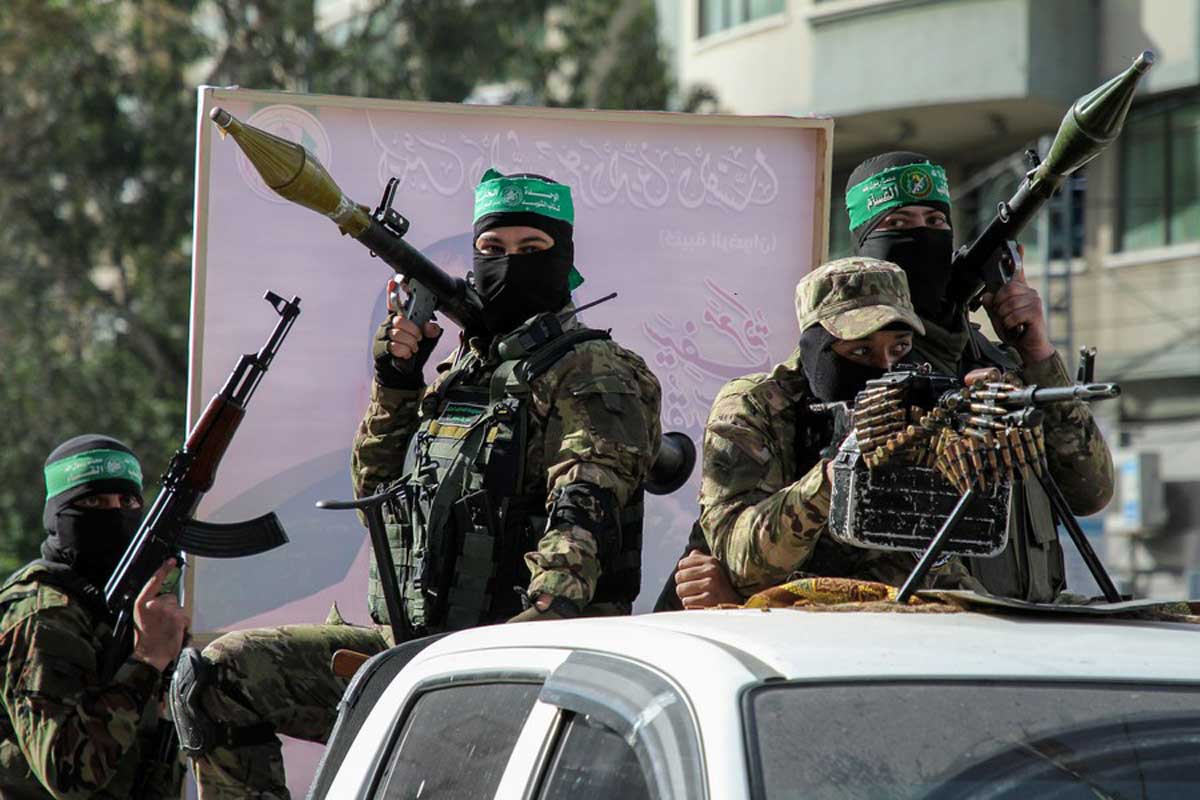
Israel has accused Hamas of violating the Gaza ceasefire after an Israeli officer was wounded by an explosive device in Rafah, vowing to retaliate and demanding the militant group uphold the full terms of the October truce agreement. The incident underscores the fragility of the U.S.-brokered peace plan, which calls for Hamas to disarm and relinquish power, conditions the group has publicly rejected without guarantees of Palestinian statehood.
WHAT HAPPENED
- Israel accused Hamas of violating the ceasefire after an explosive device detonated against an Israeli military vehicle in Rafah, lightly wounding one officer.
- Prime Minister Benjamin Netanyahu’s office stated Hamas must fully uphold the October agreement, which includes the group’s removal from power and Gaza’s demilitarization.
- Israel vowed to “respond accordingly,” signaling potential military retaliation that could jeopardize the truce.
- Hamas has previously stated it will only disarm if an independent Palestinian state is established, a condition not currently part of the U.S.-backed roadmap.
WHY IT MATTERS
- The accusation and threat of retaliation highlight the extreme fragility of the ceasefire, which has reduced but not halted violence since October.
- The incident tests the credibility of the U.S.-brokered peace plan, which hinges on Hamas’s disarmament, a demand the group continues to publicly resist.
- Israel’s swift vow to respond reflects its low tolerance for violations and its intent to enforce the truce’s security provisions unilaterally if necessary.
- Continued clashes undermine humanitarian efforts and reconstruction in Gaza, where over 400 Palestinians have been killed since the ceasefire began.
IMPLICATIONS
- If Israel retaliates militarily, it could trigger a renewed cycle of violence, collapsing the truce and derailing diplomatic efforts toward a longer-term agreement.
- Hamas’s refusal to disarm without political concessions exposes a fundamental deadlock in the peace process, challenging U.S. and regional mediation.
- The Biden administration may face increased pressure to enforce compliance or recalibrate its approach, possibly by engaging other regional actors like Egypt or Qatar.
- Persistent low-level violence could normalize a state of “ceasefire in name only,” eroding trust and making a sustainable peace increasingly elusive.
This briefing is based on information from Reuters.
