


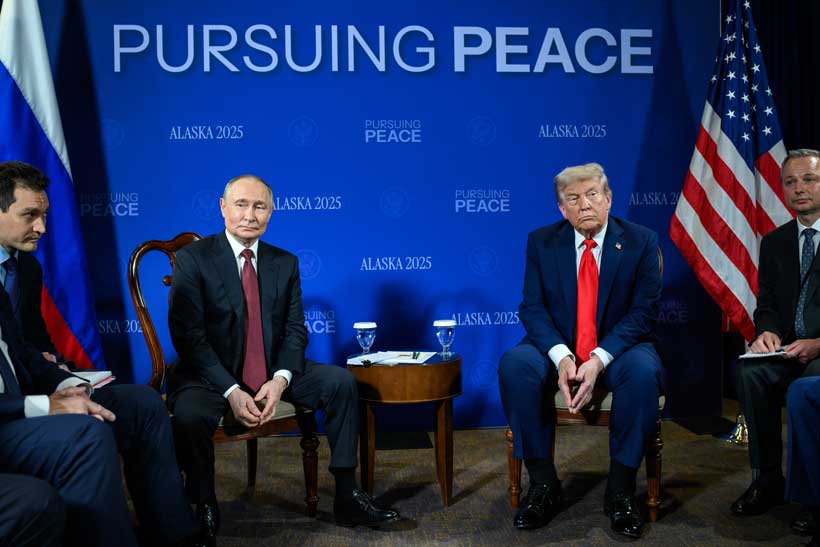
In a sharp escalation of pressure, the United States imposed sanctions on Russia’s two largest oil companies, Rosneft and Lukoil, accusing them of sustaining the Kremlin’s war machine in Ukraine. The move marked a dramatic policy reversal for Washington, coming just a day after a planned summit between President Donald Trump and Vladimir Putin collapsed. The White House had been signaling a willingness to ease pressure in hopes of a ceasefire, but the breakdown of talks underscored the widening gulf between the two powers. Meanwhile, Moscow staged sweeping nuclear exercises, releasing footage of intercontinental ballistic missile launches and bomber flights over the Baltic Sea, a reminder of Russia’s military reach. The timing of these events sanctions and nuclear drills laid bare how far diplomacy has faltered since the invasion began nearly four years ago.
Why It Matters
The new sanctions strike at the financial core of Russia’s war economy. By targeting oil revenue, Washington aims to deprive the Kremlin of the funds that sustain its military operations in Ukraine. Yet the move risks further destabilizing global energy markets, already strained by years of war and embargoes.
The breakdown of the Trump-Putin summit also signals a collapse of one of the few remaining diplomatic channels that could have paused the fighting. As Russia responds with nuclear saber-rattling, and NATO conducts its own deterrence drills, the specter of escalation looms larger. For the European Union, which simultaneously approved its 19th sanctions package including a ban on Russian LNG imports, the decision reflects a hardened consensus: the war will not be ended by appeasement.
The United States now finds itself trying to balance pressure with restraint. President Trump, once hesitant to impose energy sanctions, shifted course under growing pressure from lawmakers and allies frustrated by Moscow’s defiance. Russia, on the other hand, appears determined to project strength. The Kremlin’s nuclear drills and its insistence on Ukrainian territorial concessions in Donbas highlight a strategy of endurance to wait out Western fatigue.
Stay ahead of the geopolitical week.
MD Briefing delivers expert analysis across five global fronts — the Indo-Pacific, energy, geoeconomics, European security, and the Middle East — every Monday morning. Free.
Ukraine remains both the battleground and the symbol of resistance, receiving new pledges of support as Sweden moves to supply Gripen fighter jets and Western allies debate easing restrictions on long-range missile use. The European Union continues to align closely with Washington while exploring the use of frozen Russian assets to finance Ukraine’s reconstruction, a move Moscow calls outright theft. China emerges as a quiet but critical player, with President Xi Jinping expected to meet Trump in South Korea, potentially using his influence to pressure Putin toward de-escalation.
What’s Next
The collapse of the summit and Russia’s renewed nuclear signaling suggest diplomacy is once again on life support. While Washington insists it remains open to dialogue, both sides appear entrenched, each testing the other’s resolve. Sanctions will deepen Russia’s economic isolation, but their effectiveness in changing battlefield realities remains uncertain. Energy markets are likely to experience fresh volatility as Moscow searches for alternative buyers and supply routes.
On the military front, Ukraine’s capabilities could expand next year as it integrates new Western aircraft and potentially gains clearance to strike deeper inside Russian territory. Yet the broader outlook is bleak. With neither side willing to compromise and global powers entangled in economic and security rivalries, the war risks hardening into a long, grinding conflict one where nuclear posturing and economic coercion replace diplomacy as the language of power.
With information from Reuters.
