


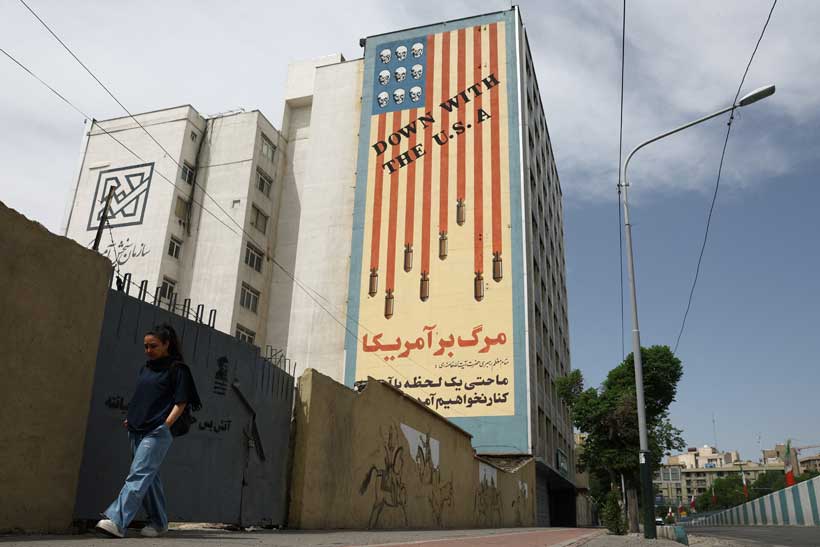
Iran has publicly outlined key elements of its latest peace proposal to the United States, demanding reparations for war damage, the withdrawal of United States forces from areas near Iran, and the lifting of economic sanctions as part of any broader agreement.
According to comments from Iranian Deputy Foreign Minister Kazem Gharibabadi, the proposal also calls for the release of frozen Iranian assets, an end to restrictions affecting Iranian trade and shipping, and a halt to hostilities across regional conflict zones including Lebanon.
The proposal emerged after United States President Donald Trump announced that he had paused a planned military strike against Iran to allow additional time for negotiations regarding Tehran’s nuclear programme and regional security issues.
Iran Pushes for Broader Regional Settlement
Tehran’s proposal reflects an effort to expand negotiations beyond nuclear issues into wider geopolitical and security concerns across the Middle East.
Stay ahead of the geopolitical week.
MD Briefing delivers expert analysis across five global fronts — the Indo-Pacific, energy, geoeconomics, European security, and the Middle East — every Monday morning. Free.
Iran appears to be seeking a comprehensive arrangement that addresses not only sanctions and military pressure but also the broader regional balance of power involving Lebanon, the Gulf region, and United States military deployments.
The demand for reparations is particularly significant because it frames the recent conflict as an act requiring compensation for damage caused by joint United States and Israeli military operations.
Iranian officials also continue insisting that economic sanctions and frozen overseas assets remain central obstacles to any sustainable agreement.
United States Signals Openness but Maintains Pressure
Trump stated that there was a strong possibility of reaching a deal that would prevent Iran from obtaining nuclear weapons while avoiding renewed military escalation.
However, Washington has not publicly confirmed any major concessions in negotiations. Reports suggesting the United States may release a portion of frozen Iranian funds or allow limited peaceful nuclear activity under international supervision remain unverified by American officials.
At the same time, United States officials continue denying claims that sanctions on Iranian oil exports would be fully waived during negotiations.
The situation reflects a complex diplomatic balancing act in which Washington seeks to maintain leverage while preventing a wider regional conflict that could destabilise global energy markets and military alliances.
Regional Powers Push for De Escalation
Regional governments including Qatar, Saudi Arabia, and United Arab Emirates reportedly urged Trump to delay military action in hopes that negotiations could succeed.
The involvement of regional mediators highlights growing concern across the Gulf about the economic and security consequences of another large scale conflict involving Iran.
The Strait of Hormuz remains especially important because it serves as one of the world’s most critical shipping routes for oil and energy exports. Any escalation threatening maritime trade could have severe consequences for global energy prices and economic stability.
Meanwhile, Pakistan has reportedly continued acting as a communication channel between Tehran and Washington after previously hosting peace talks between the two sides.
Ongoing Tensions Despite Ceasefire
Although a ceasefire has largely held since the suspension of major hostilities earlier this year, tensions remain extremely high across the region.
Iran and its regional allies continue facing accusations of supporting drone activity and proxy operations targeting Gulf states and Israeli interests. At the same time, Iran maintains that it has survived military pressure without abandoning its nuclear capabilities, missile programmes, or regional alliances.
Israeli Prime Minister Benjamin Netanyahu and Trump previously justified military operations as necessary to weaken Iran’s nuclear programme and reduce its influence through allied militias across the Middle East.
However, analysts note that Iran still retains significant strategic capabilities despite extensive military strikes and economic sanctions.
Analysis
Iran’s latest proposal demonstrates that Tehran is attempting to negotiate from a position of resilience rather than surrender.
By demanding reparations, sanctions relief, and troop withdrawals, Iran is signalling that it expects recognition of its regional influence and strategic endurance despite months of conflict and economic pressure. The proposal also reflects Tehran’s broader objective of reducing the long term military presence of the United States near its borders.
For Washington, the negotiations present a difficult challenge. The United States wants to prevent Iran from advancing toward nuclear weapons capability while avoiding another prolonged regional war that could damage global markets, strain military resources, and increase political pressure at home.
The talks are also shaped by wider geopolitical realities. Gulf states increasingly prioritise regional stability and economic security, making them more supportive of diplomacy than direct military confrontation. Rising energy prices and fears of shipping disruptions further increase international pressure for a negotiated outcome.
At the same time, deep mistrust continues to define relations between both sides. The United States remains sceptical of Iran’s regional ambitions, while Tehran sees sanctions and military deployments as tools of long term containment.
Ultimately, the negotiations reveal a broader struggle over the future balance of power in the Middle East. Even if temporary agreements are reached, the underlying strategic rivalry between Iran, the United States, and Israel is unlikely to disappear in the near future.
With information from Reuters.
